Ingestible Beauty 2026: Why Collagen Drinks and K-Beauty Supplements Are Redefining Skincare
Ingestible Beauty 2026: Why Collagen Drinks and K-Beauty Supplements Are Redefining Skincare from Within
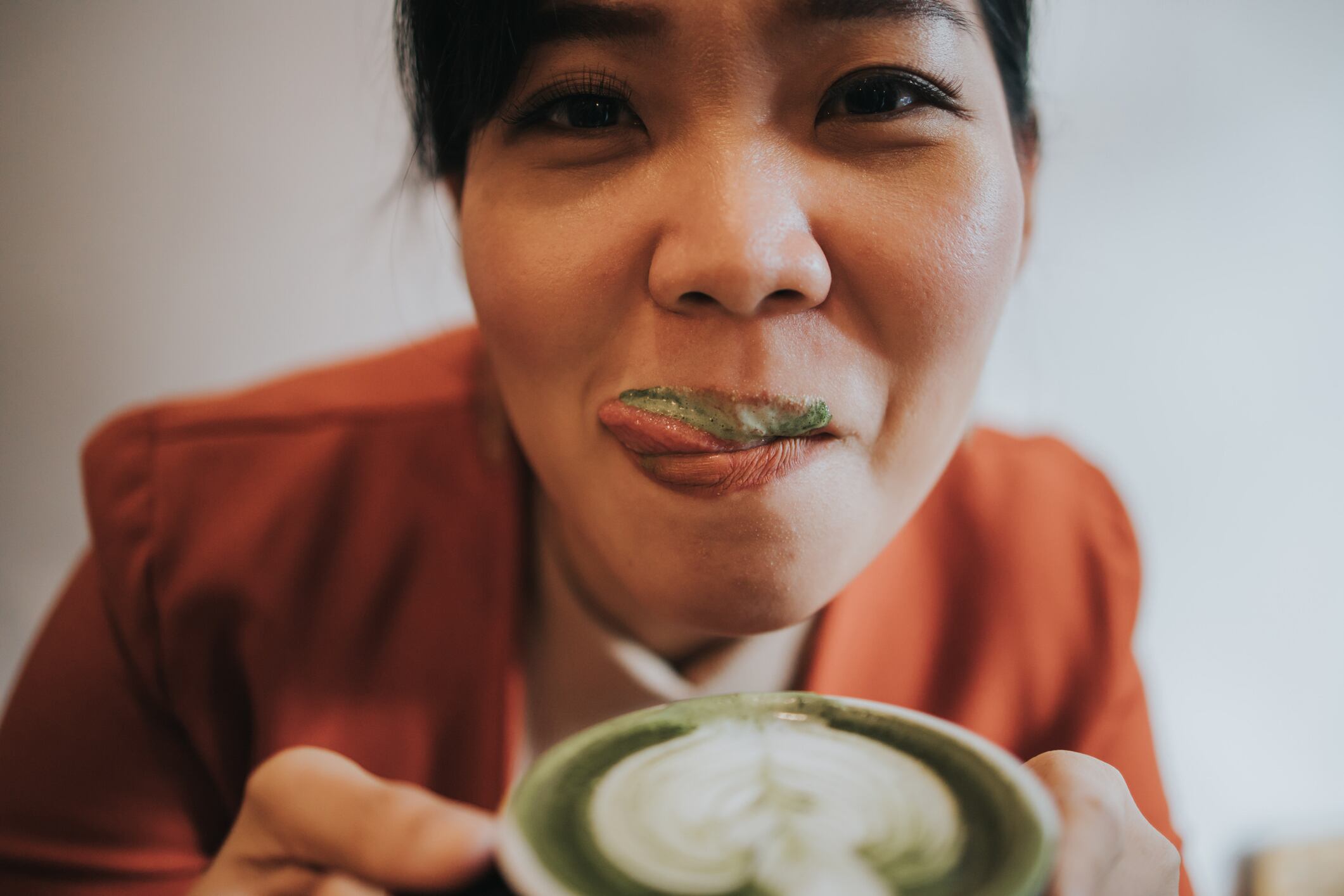
Ingestible beauty is no longer a niche wellness trend reserved for biohackers and supplement enthusiasts. In 2026, the concept of beauty from within has gone thoroughly mainstream, fueled by K-beauty traditions, clinical research on collagen peptides, and a consumer base that increasingly demands science-backed results from everything they put on and in their bodies. With Pinterest searches for skincare drinks surging over 170 percent and the global nutricosmetics market projected to exceed $15.4 billion by 2030, the question is no longer whether ingestible beauty works but which formulations deliver real results.
From collagen-infused lattes arriving at Ulta Beauty to Kylie Jenner launching a hydration line formulated with bioactive collagen peptides and hyaluronic acid, the boundary between what you drink and what you apply to your skin has never been thinner. Here is everything you need to know about the ingestible beauty revolution reshaping the skincare industry in 2026.
The Science Behind Beauty from Within: How Ingestible Ingredients Reach Your Skin
The premise behind ingestible beauty is straightforward: certain nutrients, when consumed orally, can influence skin health at a cellular level that topical products alone cannot reach. Collagen peptides, obtained through hydrolysis, are smaller, more soluble, and more easily absorbed than intact collagen molecules. Once digested, these peptides enter the bloodstream and signal fibroblasts in the dermis to produce new collagen and elastin, supporting skin elasticity, hydration, and structural integrity.
Hyaluronic acid, long celebrated as a topical hydrator, is entering a new phase as an ingestible ingredient. Oral hyaluronic acid supplements have shown promise in clinical studies for improving skin moisture levels from within, particularly when combined with collagen peptides. The gut-skin axis, a bidirectional communication pathway between the gastrointestinal microbiome and skin health, has emerged as a critical framework for understanding why what you consume directly impacts how your skin looks and feels.
As we explored in our Postbiotic Skincare Guide, the microbiome connection between gut health and skin barrier function is one of the most active areas of dermatological research. Ingestible beauty products that target the gut-skin axis represent the next logical step in this science.
K-Beauty Leads the Way: How Korea Pioneered Drinkable Skincare

While the Western beauty industry is just waking up to ingestible beauty, Korea has treated skincare as an inside-out practice for decades. Collagen-based consumables, from liquid shots to jelly sticks, have been a pharmacy staple in Seoul long before they appeared on American retail shelves. This cultural foundation is why Korean brands are leading the global charge in ingestible beauty innovation.
Olive Kim, founder of the K-beauty beverage brand Cloud Cafe, articulates this perfectly: "Collagen-based consumables are quite common in Korea, so I saw an opportunity to introduce this internal ritual to the West." Cloud Cafe, which recently launched at Ulta Beauty, offers collagen-infused beverages in formats Americans already love, including Black Coffee, Strawberry Matcha Latte, Royal Milk Tea, and Vanilla Latte. Each drink is formulated with marine collagen, hyaluronic acid, and multivitamin blends, transforming a daily coffee habit into a beauty ritual.
Marine collagen is emerging as the preferred source for ingestible beauty products. According to formulation scientists, marine collagen is absorbed up to 1.5 times more effectively than bovine or porcine collagen, offering higher bioavailability. This means more of the active peptides actually reach the skin where they can stimulate repair and regeneration.
Laura Beres, VP of Wellness at Ulta Beauty, confirms the retail momentum: "We've seen growing interest in solutions that seamlessly fit into daily routines, which made functional beverages a natural new addition." The fact that America's largest specialty beauty retailer is now stocking collagen lattes alongside serums and moisturizers signals a fundamental shift in how the industry defines skincare.
Celebrity-Backed Launches: Kylie Jenner's k2o and the Mainstream Moment
When Kylie Jenner launches a product, the beauty world pays attention. Her newest venture, k2o, represents an expansion of her Sprinter beverage brand into the beauty-wellness crossover space. Formulated with electrolytes, bioactive collagen peptides, and hyaluronic acid, k2o is positioned at the intersection of hydration and beauty, offering a powdered drink format that consumers can mix into water throughout the day.
The significance of k2o extends beyond celebrity branding. It reflects a broader consumer demand for beauty products that fit seamlessly into everyday routines without adding steps to an already-complex skincare regimen. As the skin longevity movement gains momentum, consumers are looking for cumulative, sustained approaches to skin health rather than quick-fix topical solutions.
What in-cosmetics Global 2026 Revealed About the Future of Nutricosmetics
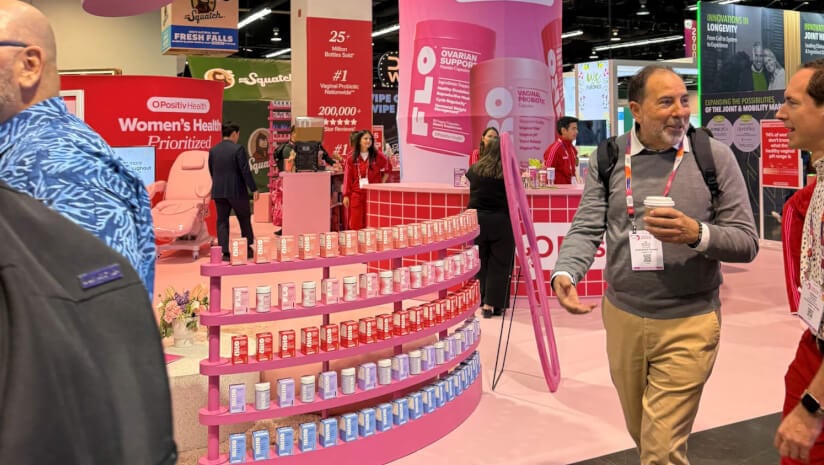
The annual in-cosmetics Global 2026 trade show in Barcelona showcased a remarkable surge in nutricosmetic innovation. Several breakthrough technologies are poised to reshape the ingestible beauty category over the next year.
ExoLab Italia unveiled exosome-based nutricosmetics targeting cellular regeneration from within, including formulations for hair growth, skin anti-aging, gut health, and even sleep quality. Exosomes, the microscopic vesicles that facilitate cellular communication, are already transforming topical skincare, and their entry into the supplement space represents a significant frontier.
Activ'Inside presented SkinAx-squared, a vegan collagen alternative, alongside Belight-three for pigmentation and Hair'Inside for hair health. Mibelle Biochemistry debuted a new generation of botanical actives optimized for oral delivery, including AnaGain Nu for hair density and MonaJuventa Nu for cellular rejuvenation. Gelita's Verisol bioactive collagen peptides continued to generate strong interest, backed by multiple clinical trials demonstrating measurable improvements in skin elasticity and wrinkle reduction after eight weeks of supplementation.
Meanwhile, Vivatis Pharma introduced GreenIuronic, a plant-derived hyaluronic acid designed specifically for supplement formulations, addressing the growing demand for vegan and sustainable beauty ingredients.
The Gut-Skin Axis: Why Probiotics and Postbiotics Matter for Beauty
One of the most compelling scientific narratives driving ingestible beauty in 2026 is the gut-skin axis. Research increasingly shows that the composition of your gut microbiome directly influences inflammatory pathways that manifest on the skin as acne, rosacea, eczema, and premature aging.
Ingestible beauty products targeting the gut-skin axis go beyond simple collagen supplementation. Postbiotic and probiotic formulations, such as those showcased by ExoLab Italia at in-cosmetics Global, aim to rebalance the gut microbiome to create an anti-inflammatory environment that supports skin repair from the inside. Combined with prebiotic fibers and fermented ingredients, these formulations represent a holistic approach to skin health that topical products simply cannot replicate.
This inside-out philosophy aligns with the broader 2026 wellness movement, where consumers view beauty not as a superficial concern but as a reflection of overall systemic health. The boundary between supplements and beauty products has thinned to the point of almost disappearing, according to analysis by Mintel in collaboration with Black Swan Data.
Key Ingredients to Look for in Ingestible Beauty Products
Not all ingestible beauty products are created equal. Here are the ingredients with the strongest scientific evidence supporting their skin benefits when consumed orally:
COLLAGEN PEPTIDES: Hydrolyzed collagen, particularly marine-sourced, remains the gold standard. Clinical studies have shown improvements in skin elasticity, hydration, and wrinkle depth after consistent supplementation for eight to twelve weeks. Look for products specifying the molecular weight of their peptides, as smaller peptides (below 5,000 daltons) are better absorbed.
HYALURONIC ACID: Oral hyaluronic acid has demonstrated the ability to increase skin moisture levels in controlled studies. It works synergistically with collagen peptides, making combination formulas particularly effective.
ASTAXANTHIN: This powerful carotenoid antioxidant, derived from microalgae, has shown protective effects against UV-induced skin damage and photoaging when taken orally. It is 6,000 times more potent than vitamin C as an antioxidant.
CERAMIDES: Plant-derived ceramides (phytoceramides) taken orally can help reinforce the skin barrier from within, complementing topical ceramide products for a dual-approach strategy.
POSTBIOTICS AND PROBIOTICS: Targeted probiotic strains, including Lactobacillus rhamnosus and Bifidobacterium longum, have shown benefits for inflammatory skin conditions. Postbiotics offer the benefits without requiring live cultures.
GLUTATHIONE: Often called the master antioxidant, glutathione is gaining traction in ingestible beauty for its skin-brightening and detoxification properties. Liposomal delivery formats improve its notoriously poor oral bioavailability.
For a comprehensive overview of trending skincare actives, visit our K-Beauty Ingredients Encyclopedia.
How to Build an Ingestible Beauty Routine: Expert Recommendations
Dermatologists and nutritional scientists recommend approaching ingestible beauty with the same rigor you apply to topical skincare. Start with one product, maintain consistency for at least eight weeks before evaluating results, and choose formulations backed by clinical evidence rather than marketing claims.
A practical ingestible beauty routine might look like this:
MORNING: Collagen peptide powder (5-10g marine collagen) mixed into coffee, smoothie, or a dedicated beauty beverage like Cloud Cafe. Add a hyaluronic acid supplement if your formulation does not already include it.
MIDDAY: An antioxidant supplement containing astaxanthin and/or glutathione to support photoprotection from within, complementing your topical sunscreen.
EVENING: A postbiotic or probiotic supplement targeting the gut-skin axis, ideally taken with food for optimal absorption.
The key principle is complementarity, not replacement. Ingestible beauty products work best as a layer in your existing skincare strategy, as described in our K-Beauty Complete Guide, not as a substitute for topical actives, sunscreen, and professional treatments.
Market Outlook: Where Ingestible Beauty Is Heading
The numbers paint a clear picture of where the industry is heading. The global nutricosmetics market, currently valued at approximately $8 billion, is projected to exceed $15.4 billion by 2030. Collagen supplements alone represent a multi-billion-dollar segment growing at double-digit annual rates.
Several factors are accelerating this growth. Retail distribution is expanding, with Ulta Beauty, Sephora, and Target all increasing their ingestible beauty shelf space. Formulation technology is advancing, with precision fermentation, exosome-based delivery, and AI-optimized ingredient combinations pushing efficacy to new levels. And consumer behavior is shifting decisively toward products that offer both convenience and clinical credibility.
The K-beauty pipeline continues to be the most prolific source of innovation. Korean brands are pioneering collagen jelly sticks, beauty vinegar drinks, fermented extract shots, and even beauty-focused meal replacement products that blur the line between nutrition and skincare entirely. As these formats gain traction in Western markets through retailers like Ulta and Olive Young's expanding US presence, the category is positioned for explosive growth.
FAQ
Q: Do ingestible beauty supplements actually work for skin?
A: Yes, certain ingestible ingredients have clinical evidence supporting skin benefits. Hydrolyzed collagen peptides are the most studied, with multiple randomized controlled trials showing improvements in skin elasticity, hydration, and wrinkle depth after 8-12 weeks of daily supplementation. However, results vary by formulation quality and consistency of use.
Q: What is the best type of collagen for ingestible beauty?
A: Marine collagen is generally considered superior for beauty applications because it is absorbed up to 1.5 times more effectively than bovine or porcine collagen. Look for hydrolyzed marine collagen peptides with a molecular weight below 5,000 daltons for optimal bioavailability.
Q: How long does it take to see results from beauty supplements?
A: Most clinical studies show measurable improvements in skin parameters after 8 to 12 weeks of consistent daily supplementation. Some users report improvements in skin hydration and texture within 4 weeks, but structural changes like improved elasticity and reduced wrinkles typically require longer commitment.
Q: Can ingestible beauty replace my topical skincare routine?
A: No. Ingestible beauty products work best as a complement to topical skincare, not a replacement. Topical products address surface-level concerns like UV protection, exfoliation, and targeted treatment of specific conditions, while ingestible products support skin health at a systemic level. The most effective approach combines both strategies.
Q: Are K-beauty collagen drinks safe?
A: Generally yes, when sourced from reputable brands. Marine collagen peptides have an excellent safety profile in clinical studies. However, those with fish or shellfish allergies should avoid marine collagen and opt for plant-based alternatives. Always check ingredient labels and choose products that disclose their collagen source and peptide specifications.
You May Also Like
- Collagen Banking 2026: The Preventive Skincare Trend Dermatologists Want You to Start Now
- Skin Longevity Revolution 2026: Urolithin-A, PDRN, and the Science Redefining Anti-Aging
- Postbiotic Skincare 2026: Why Fermented K-Beauty Is the Science-Backed Secret to a Stronger Skin Barrier
The Bottom Line
Ingestible beauty in 2026 represents a fundamental evolution in how we think about skincare. The convergence of K-beauty traditions, clinical nutrition science, and mainstream retail adoption has created a category that is no longer experimental but essential. Whether you start with a collagen-infused morning coffee from Cloud Cafe, explore Kylie Jenner's k2o hydration line, or build a targeted supplement routine with clinically validated ingredients, the evidence is clear: what you put in your body matters as much as what you put on your skin. The future of beauty is being consumed, one peptide at a time.
Sources: NutraIngredients, in-cosmetics Global 2026 Report, nss G-Club, ViewTheVibe


댓글
댓글 쓰기