Korean Sheet Masks Guide 2026: How to Choose, Use, and Find the Best K-Beauty Masks for Every Skin Type
Korean Sheet Masks Guide 2026: How to Choose, Use, and Find the Best K-Beauty Masks for Every Skin Type
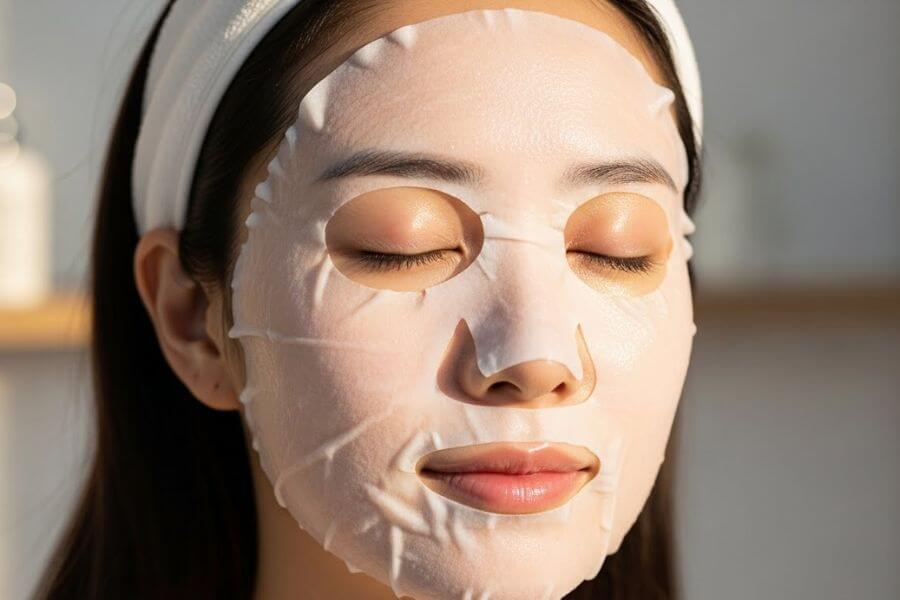
Korean sheet masks remain one of the most accessible and effective entry points into K-beauty in 2026. Whether you are chasing the coveted glass skin look, targeting stubborn dark spots, or simply need a weekly hydration boost, there is a Korean sheet mask engineered for your exact skin concern. With the global K-beauty sheet mask market now valued at over $1.5 billion and innovations like hydrogel technology, PDRN-infused serums, and biodegradable cellulose sheets reshaping the category, choosing the right mask can feel overwhelming. This comprehensive guide breaks down everything you need to know: how sheet masks work, which ingredients to look for, how to use them correctly, and the 10 best Korean sheet masks for every skin type in 2026.
What Is a Korean Sheet Mask and How Does It Work?
A Korean sheet mask is a face-shaped fabric or gel sheet soaked in a concentrated serum (sometimes called an essence or ampoule). The sheet acts as a physical barrier that prevents the serum from evaporating, forcing active ingredients into your skin through a process called occlusion. This is fundamentally different from wash-off masks, which sit on the surface and are rinsed away before most actives can penetrate.
In 2026, sheet mask technology has evolved well beyond the original cotton sheets. The major fabric types now include:
Cotton and microfiber sheets: The most affordable option. Lightweight and widely available, but less adherent to facial contours.
Bio-cellulose sheets: Made from fermented coconut water, these ultra-thin sheets conform tightly to the face and deliver superior ingredient absorption. Brands like COSRX and Mediheal use bio-cellulose for their premium lines.
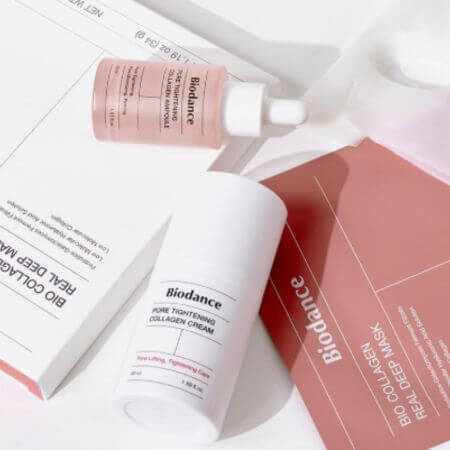
Hydrogel sheets: Two-piece gel masks (upper and lower half) that provide a cooling sensation and dissolve partially during wear. Biodance's viral Bio Collagen mask is the best-known example, turning translucent as collagen absorbs into skin.
Cupra sheets: A cellulose-based fabric originally developed for medical gauze. Extremely soft and ideal for sensitive skin types.
The key advantage of Korean sheet masks over Western formulations is ingredient concentration. K-beauty brands typically saturate each sheet with 20-30ml of essence, two to three times more than many Western competitors. This generous serum load, combined with 15-20 minutes of occlusive contact, delivers measurable hydration improvements that studies have shown can persist for 24-48 hours.
Key Ingredients to Look for in Korean Sheet Masks
The ingredient list is the single most important factor when choosing a Korean sheet mask. Here is a breakdown of the most effective actives by skin concern, along with links to our in-depth ingredient guides:
For hydration:
Hyaluronic acid (multi-molecular weight): Draws and holds up to 1,000 times its weight in water. Look for formulations with low-molecular-weight HA for deeper penetration.
Beta-glucan: A polysaccharide that research shows can outperform hyaluronic acid for hydration in some formulations, while also calming inflammation.
Ceramides: Lipid molecules that reinforce the skin barrier and prevent transepidermal water loss.
For brightening and dark spots:
Niacinamide (vitamin B3): Inhibits melanin transfer to keratinocytes, reduces hyperpigmentation, and strengthens the skin barrier.
Vitamin C (ascorbic acid or derivatives): A potent antioxidant that brightens existing discoloration and protects against UV-induced pigmentation.
Tranexamic acid: Originally a hemostatic agent, now one of dermatology's most effective depigmenting ingredients.
For soothing and sensitive skin:
Centella asiatica (Cica): Contains madecassoside and asiaticoside, which accelerate wound healing and reduce redness. A staple in K-beauty for reactive skin.
Mugwort (Artemisia): A traditional Korean herbal ingredient with anti-inflammatory and antioxidant properties.
Aloe vera and allantoin: Gentle soothers that calm irritation without clogging pores.
For anti-aging:
Collagen and peptides: Signal molecules that stimulate the skin's own collagen production. Hydrolyzed collagen in masks provides temporary plumping.
PDRN (polydeoxyribonucleotide): Derived from salmon DNA, this 2026 mega-trend ingredient promotes cellular regeneration and tissue repair. Multiple K-beauty brands now offer PDRN-infused sheet masks.
Snail mucin: Rich in glycoproteins, glycolic acid, and zinc, it accelerates skin repair and provides intense hydration.
For a complete breakdown of every trending K-beauty active, see our K-Beauty Ingredients Encyclopedia 2026.
How to Use a Korean Sheet Mask: Step-by-Step Guide
Getting the most from your Korean sheet mask requires proper preparation and application. Here is the dermatologist-recommended protocol:
Step 1: Double cleanse. Start with an oil-based cleanser to remove sunscreen and makeup, followed by a water-based cleanser. A clean canvas ensures the mask's actives reach your skin without interference from surface debris. For detailed technique, see our Double Cleansing Method Guide.
Step 2: Tone. Apply a hydrating toner to damp skin. This primes the skin barrier and improves absorption of the sheet mask serum. Korean toner pads work especially well for this step.
Step 3: Unfold and apply. Carefully unfold the sheet mask and align it with your eyes, nose, and mouth openings. Smooth from the center outward, pressing gently to eliminate air bubbles. For two-piece hydrogel masks, apply the lower half first, then the upper.
Step 4: Wait 15-20 minutes. This is the optimal window for most sheet masks. Do not leave the mask on until it dries out. A drying mask will actually pull moisture back from your skin, reversing its benefits. Set a timer.
Step 5: Remove and pat in. Peel off the mask and gently pat the remaining serum into your skin. Do not rinse. The leftover essence is designed to continue working.
Step 6: Seal with moisturizer. Apply your regular moisturizer or sleeping pack to lock in the serum. Without this step, much of the hydration benefit will evaporate.
Pro tip: Store your sheet masks in the refrigerator for an extra cooling, de-puffing effect, especially in summer months. You can also use the excess serum from the packet on your neck and decolletage.
10 Best Korean Sheet Masks for Every Skin Type in 2026
After researching ingredient lists, clinical data, user reviews from Hwahae (Korea's largest cosmetics review platform with 10M+ users), and dermatologist recommendations, here are the top Korean sheet masks of 2026:
1. Biodance Bio Collagen Real Deep Mask — Best Overall
Skin type: All | Key ingredients: Low-molecular collagen, niacinamide, hyaluronic acid
This TikTok phenomenon (52M+ views) earned its viral status legitimately. The hydrogel mask starts white and turns translucent as collagen absorbs, providing visual feedback on delivery. Delivers immediate plumping and a pre-event glass skin glow. Price: approximately $4-5 per sheet.
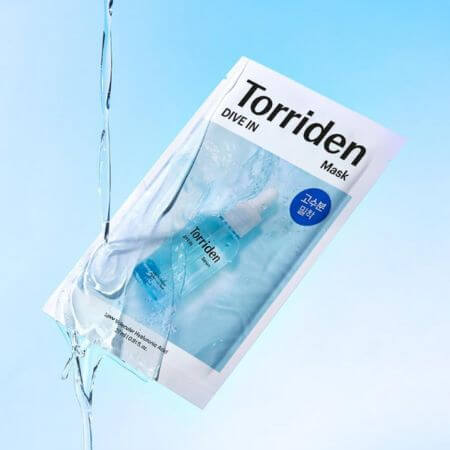
2. Torriden DIVE-IN Low Molecular Hyaluronic Acid Mask — Best for Dehydrated Skin
Skin type: Dry, dehydrated, sensitive | Key ingredients: 5D hyaluronic acid complex, panthenol, allantoin
The Olive Young Award-winning mask uses five molecular weights of hyaluronic acid to hydrate at every skin layer. The vegan cellulose sheet leaves zero stickiness. Clinically tested as non-irritating for sensitive skin. Price: approximately $1.50-2 per sheet.
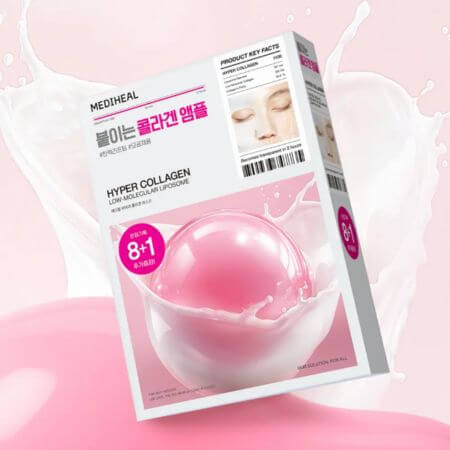
3. Mediheal Watermide Essential Mask — Best Budget Pick
Skin type: All, especially dry | Key ingredients: Ceramide NP, madecassoside, panthenol
Mediheal has sold over 1.3 billion sheet masks worldwide, and this ceramide-rich formula is their hydration champion. The dense essence repairs the moisture barrier while keeping costs under $1.50 per sheet. The gold standard for affordable K-beauty masking.
4. COSRX Advanced Snail Mucin Power Sheet Mask — Best for Repair and Recovery
Skin type: Damaged, acne-scarred, post-procedure | Key ingredients: 35,000 ppm snail mucin, panthenol, allantoin
Recognized by Vogue as "Best Korean Sheet Mask." Contains seven times more snail mucin than competitors. The naturally-derived cellulose sheet hugs the face closely, delivering the healing properties of COSRX's bestselling Snail 96 Mucin Power Essence in mask form. Price: approximately $2-3 per sheet.
5. Dr.Jart+ Cicapair Sensitive Skin Serum Face Mask — Best for Redness and Sensitive Skin
Skin type: Sensitive, rosacea-prone, irritated | Key ingredients: Centella asiatica complex, madecassoside, panthenol
The 100% cellulose gel sheet delivers a cooling, soothing formula that visibly reduces redness within 20 minutes. Oil-free, paraben-free, fragrance-free, and alcohol-free. Dermatologist-tested. A must-have for reactive skin types. Price: approximately $5-6 per sheet.
6. Anua PDRN Hyaluronic Acid Capsule 100 Serum Mask — Best for Anti-Aging Innovation
Skin type: Aging, dull | Key ingredients: PDRN, hyaluronic acid, adenosine
Riding the 2026 PDRN wave, Anua delivers salmon DNA-derived regenerative benefits in a deeply hydrating format. The capsule technology ensures freshness and potency of actives. Price: approximately $3-4 per sheet.
7. Abib Gummy Sheet Mask Heartleaf Sticker — Best Fit and Adherence
Skin type: Oily, acne-prone | Key ingredients: Heartleaf (houttuynia cordata), centella asiatica, green tea
The "gummy" texture sticks to the face without slipping, even during movement. Heartleaf extract controls sebum and calms active breakouts. One of the most comfortable masks on the market. Price: approximately $2-3 per sheet.
8. Round Lab Birch Juice Moisturizing Sheet Mask — Best for Sensitive-Dry Combination
Skin type: Dry-sensitive combination | Key ingredients: Birch sap, panthenol, hyaluronic acid
Round Lab's minimalist approach shines here. Birch sap provides lightweight, non-sticky hydration with natural anti-inflammatory properties. The ultra-thin sheet feels like a second skin. Price: approximately $2 per sheet.
9. Rejuran Healer Skin Protection Sheet Mask — Best Clinical-Grade Option
Skin type: Mature, post-procedure | Key ingredients: c-PDRN, hyaluronic acid, niacinamide
From the brand synonymous with PDRN skin boosters in Korean dermatology clinics, this clinical-grade mask brings professional-level regenerative ingredients to at-home use. Ideal for post-treatment recovery. Price: approximately $5-7 per sheet.
10. Mediheal Tea Tree Essential Blemish Control Mask — Best for Acne-Prone Skin
Skin type: Oily, acne-prone | Key ingredients: Tea tree oil, centella asiatica, madecassoside
Tea tree oil provides natural antibacterial action against acne-causing bacteria, while centella calms the inflammation that leads to post-acne marks. Non-comedogenic and lightweight. Price: approximately $1.50 per sheet.
For pricing comparisons and detailed ingredient lists on all these products, check our K-Beauty Product Database 2026.
How to Choose the Right Sheet Mask for Your Skin Type
Matching the right mask to your skin type is critical for results without irritation:
Dry skin: Prioritize masks with hyaluronic acid, ceramides, and snail mucin. Hydrogel masks tend to deliver more moisture than standard cotton sheets. Use 2-3 times per week. Avoid masks with high concentrations of alcohol or witch hazel.
Oily and acne-prone skin: Look for lightweight, water-based essences with tea tree, centella, or salicylic acid. Avoid heavy cream-based or oil-rich masks that can clog pores. Cotton or cupra sheets that do not trap excess heat are preferable. Use 1-2 times per week.
Sensitive skin: Choose fragrance-free, alcohol-free formulations with minimal ingredient lists. Centella asiatica, aloe vera, panthenol, and mugwort are your allies. Patch test new masks on your jawline first. Bio-cellulose sheets are gentler than cotton.
Combination skin: Multi-masking is your friend. Apply a hydrating mask on dry cheeks and a sebum-control mask on the T-zone simultaneously, or alternate between hydrating and clarifying masks throughout the week.
Mature skin: Focus on collagen, peptides, PDRN, and retinol-infused masks. Hydrogel masks that provide a slight lifting effect during wear are especially popular. Use 2-3 times per week as part of an anti-aging skincare routine.
2026 Sheet Mask Trends: What Is New This Year
The Korean sheet mask category continues to innovate. Here are the defining trends for 2026:
PDRN-infused masks: The biggest ingredient story in K-beauty right now. PDRN (salmon DNA) promotes cellular regeneration at a level previously only available through injectable skin boosters. Brands like Anua, Rejuran, and Some By Mi now offer affordable PDRN sheet masks.
Temperature-responsive formulations: Masks that activate or change properties based on skin temperature. Cooling masks that intensify their effect on warmer skin areas are gaining traction, especially for summer use.
Biodegradable and sustainable sheets: Eco-conscious consumers are driving demand for compostable sheet materials and refillable mask formats. Several Korean brands now use biodegradable cellulose derived from sustainable sources.
Derma-cosmetic crossover: The line between clinical treatments and at-home masks continues to blur. Brands like Rejuran and Dr.G are bringing dermatology clinic-grade ingredients into sheet mask format at consumer-friendly prices.
Texture-transforming masks: Following Biodance's lead, more brands are creating masks that visually change during wear, giving users a satisfying visual indicator of ingredient absorption.
Common Sheet Mask Mistakes to Avoid
Even experienced K-beauty enthusiasts make these errors:
Leaving the mask on too long. Once the sheet dries, it pulls moisture out of your skin. Stick to 15-20 minutes maximum, regardless of what the packaging suggests.
Using a sheet mask on unclean skin. Applying a mask over sunscreen, makeup, or excess sebum blocks ingredient absorption. Always double cleanse first.
Skipping moisturizer afterward. Sheet mask serum evaporates without a moisturizer or sleeping pack to seal it in. This is the step most people miss.
Overusing masks daily. Dermatologists recommend 1-3 times per week. Daily use can over-hydrate the skin barrier, potentially leading to a condition some dermatologists call "moisture overload," which paradoxically weakens barrier function.
Ignoring the ingredient list. Not all sheet masks are created equal. A cheap mask loaded with fragrance, alcohol, and artificial dyes can do more harm than good. Always check for known irritants.
Where to Buy Korean Sheet Masks in 2026
Accessibility of K-beauty sheet masks has never been better:
Olive Young Global: Korea's largest beauty retailer ships internationally and often has exclusive bundle deals. The go-to source for discovering trending new releases.
Amazon: Most major K-beauty brands (COSRX, Mediheal, Torriden, Dr.Jart+) have official storefronts with Prime shipping.
Sephora and Ulta: Carry premium K-beauty brands. Ulta's new K-Beauty World section features 17 Korean brands including many sheet mask lines.
YesStyle and Stylevana: Specialize in Asian beauty with competitive prices and wide selection, though shipping times can be longer.
Soko Glam and Kbeautyworld: Curated K-beauty retailers with expert curation and educational content.
For the complete K-beauty shopping experience, see our K-Beauty Complete Guide 2026.
You May Also Like
- Complete Guide to Glass Skin 2026: The 10-Step Korean Skincare Routine
- Double Cleansing Method 2026: The Complete K-Beauty Guide
- Snail Mucin Skincare 2026: Science, Benefits, and Best Products
- Niacinamide Skincare Guide 2026: Benefits, Best Products, and Routine
- Korean Sunscreen 2026: 11 Best K-Beauty SPF Products
Frequently Asked Questions
Q: How often should I use a Korean sheet mask?
Dermatologists recommend using sheet masks 1-3 times per week, depending on your skin type and the mask's active ingredients. Hydrating masks can be used more frequently (up to 3 times weekly), while exfoliating or treatment masks should be limited to once a week. Daily use is generally not recommended as it can compromise barrier function.
Q: Can I reuse a Korean sheet mask?
No. Sheet masks are single-use products. Once applied, the sheet has been exposed to your skin's bacteria and the active ingredients have largely been absorbed or oxidized. Reusing a mask risks bacterial contamination and delivers negligible skincare benefit. However, you can use the leftover serum in the packet on your neck, hands, or body.
Q: What is the best Korean sheet mask for beginners?
The Mediheal Watermide Essential Mask or Torriden DIVE-IN mask are excellent starting points. Both are affordable, widely available, fragrance-free, and suitable for all skin types. They focus on hydration without strong actives that might irritate first-time users. Start with one mask per week and observe how your skin responds.
Q: Should I wash my face after using a sheet mask?
No. After removing the sheet mask, gently pat the remaining serum into your skin and follow with a moisturizer to seal in the benefits. Washing your face would remove the active ingredients you just spent 15-20 minutes infusing into your skin. The only exception is if a mask causes irritation or a reaction, in which case you should rinse immediately.
Q: Are Korean sheet masks better than Western sheet masks?
Korean sheet masks generally contain higher concentrations of active ingredients (20-30ml of serum per sheet versus 10-15ml in many Western masks), use more advanced sheet materials like bio-cellulose and hydrogel, and offer a wider variety of targeted formulations. Korea's competitive beauty market and rigorous consumer review culture (platforms like Hwahae with 10M+ users) also drive continuous innovation and quality improvement.
Q: Can I use a sheet mask every day?
While it will not cause serious harm for most people, dermatologists advise against daily use. Over-masking can lead to "moisture overload," where the skin barrier becomes overly hydrated and paradoxically weakens. This can manifest as breakouts, sensitivity, or a perpetually "puffy" look. Stick to 2-3 times per week for optimal results.
Q: What is the difference between a hydrogel mask and a regular sheet mask?
Hydrogel masks are made from a water-based gel material rather than fabric. They typically come in two pieces (upper and lower face), conform more closely to facial contours, provide a cooling sensation, and dissolve slightly during wear as ingredients absorb. They generally deliver higher concentrations of actives than cotton sheet masks but cost more. Biodance's Bio Collagen mask and COSRX's Snail Mucin Glass Glow Hydrogel Mask are popular examples.
Source: Research compiled from Hwahae, Delivered Korea, Vogue Scandinavia, and CNN Underscored.


댓글
댓글 쓰기