Lancome x Timeline Urolithin A Skincare 2026: How Mitopure Brings Mitochondrial Longevity Science to Your Anti-Aging Routine
Lancome x Timeline Urolithin A Skincare 2026: The Mitochondrial Longevity Ingredient Now Inside a $155 Luxury Cream
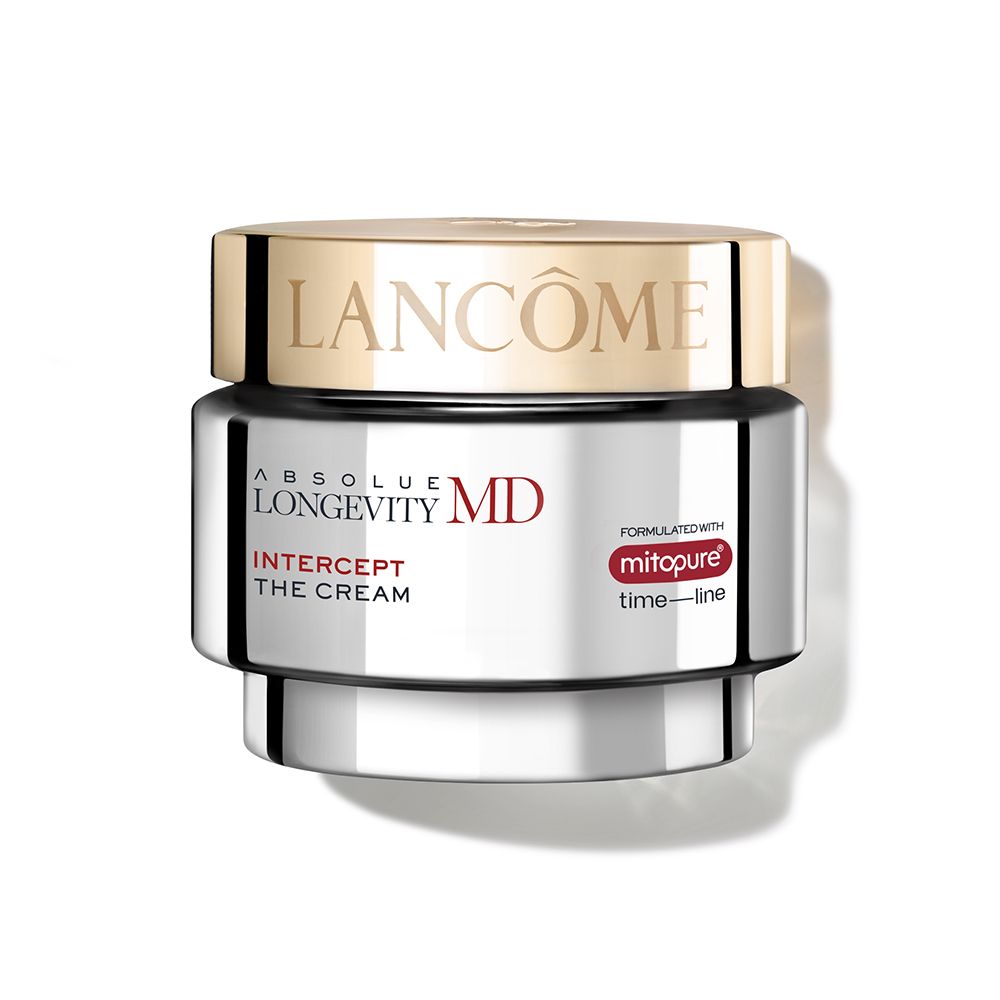
Urolithin A skincare just went mainstream. On March 27, 2026, Lancome unveiled the Absolue Longevity MD line at the American Academy of Dermatology (AAD) Annual Meeting in Denver, and the Intercept Cream ($155) finally lands in U.S. doors in May. The headline ingredient is Mitopure, a 98.5%-pure form of Urolithin A licensed from Swiss longevity biotech Timeline. It is the same molecule behind the #1 selling oral longevity supplement category, now repurposed as a topical anti-aging skincare actives ingredient. For a category obsessed with retinol, peptides, and exosomes, the arrival of a mitophagy-inducing postbiotic is a genuine inflection point.
What Is Urolithin A and Why Are Dermatologists Calling It a Longevity Ingredient?
Urolithin A is a gut-microbiome-derived postbiotic. You do not eat it directly. Your gut bacteria produce it after you consume ellagitannins from pomegranates, walnuts, and certain berries — and only roughly 30 to 40 percent of adults host the microbial strains needed to make it in meaningful quantities. That bioavailability problem is exactly why Timeline developed Mitopure: a synthetically produced, micronized, pharmaceutical-grade version that bypasses the gut lottery entirely.
The biology behind the buzz is mitophagy — the cellular quality-control process that recycles damaged mitochondria so healthy ones can take their place. As skin ages, dysfunctional mitochondria accumulate in fibroblasts and keratinocytes. The result is lower ATP production, slower collagen synthesis, elevated reactive oxygen species, and the senescence-associated secretory phenotype (SASP) that fuels visible aging. Urolithin A is the most potent dietary mitophagy inducer identified to date in human trials.
The Clinical Evidence for Topical Urolithin A
The translational story is unusually well-documented for a new cosmetic actives ingredient. A 2023 medRxiv preprint reported two randomized clinical trials of topical Urolithin A. After 8 to 12 weeks of application, skin biopsy RNA-sequencing showed reversal of age-associated collagen gene expression — the same collagen proteins that decline with chronological aging were upregulated. A separate arm tested photoprotection against UVB-mediated photodamage with measurable benefit on erythema and barrier markers.
A 2022 ScienceDirect paper in Mechanisms of Ageing and Development demonstrated that Urolithin A protects human dermal fibroblasts from UVA-induced photoaging through NRF2 antioxidant pathway activation and mitophagy induction. In vitro, treated fibroblasts showed reduced senescence-associated beta-galactosidase activity, less SASP secretion, and preserved extracellular matrix synthesis. Translated to the bottle: less of the slow-burning, low-grade inflammatory damage that hollows out the dermis over decades.
Inside the Lancome Absolue Longevity MD Intercept Cream Formula
The Intercept Cream pairs Mitopure with what Lancome calls its proprietary Intercept compound: a quintet of LHA (lipo-hydroxy acid), Matrixyl (palmitoyl pentapeptide), niacinamide, Rose Pro-Xylane, and taurine. Each member is targeting a different visible aging marker, but the architecture is unusual for a luxury cream. LHA functions as an exfoliating signal at a tolerable level for daily use. Matrixyl recruits the matrikine pathway for collagen and glycosaminoglycan synthesis. Niacinamide stabilizes the barrier and lightens dyschromia. Rose Pro-Xylane (hydroxypropyl tetrahydropyrantriol) is Lancome's heritage glycosaminoglycan booster. Taurine plays a mitochondrial supporting role — convenient, given the Urolithin A mechanism.
Lancome's in-house clinical claim is a "76-percent increase in skin elasticity in just four hours." That is a short-term viscoelastic measurement (likely cutometer), not a structural collagen claim. Read it as evidence of an immediate hydration-and-barrier effect, not a substitute for the 8-to-12-week remodeling story carried by the Mitopure data.
Urolithin A vs Retinol: Complementary, Not Competitive
The press cycle frames this as "the next retinol." That is overstated. Retinoids drive transcription of collagen, glycosaminoglycan, and antimicrobial peptide genes through nuclear retinoic acid receptors. Urolithin A acts upstream of the dysfunction that limits how well those programs can be executed — if your fibroblasts have crippled mitochondria, even an aggressive retinoid protocol underdelivers. Mechanistically, the two stack rather than substitute. As we covered in our Anti-Aging Korean Skincare Routine 2026, layered strategies that hit barrier, transcription, and energy production simultaneously outperform single-ingredient maximalism in mature skin.
If retinol intolerance is your problem (irritation, redness, peeling), Urolithin A is much gentler. There is no published evidence of UV-sensitization, no documented retinoid dermatitis profile, and no contraindication for use in pregnancy reported to date — though as with any new actives ingredient, pregnant or breastfeeding patients should clear it with their dermatologist.
How Urolithin A Fits the Broader 2026 Longevity Skincare Trend
2026 is being called the year of skin longevity, and Lancome's launch is the most concrete bet a luxury house has made on the thesis. The category is converging on three mechanisms: mitochondrial support (Urolithin A, NAD+ precursors), cellular communication (exosomes, peptides), and senolytic-adjacent strategies. As we explored in our NAD+ Skincare 2026 guide, NAD+ precursors target the energy currency of the cell. Urolithin A targets the factory that produces it. They are pharmacologically distinct and clinically synergistic in animal models of muscle aging — work in skin specifically is preliminary but promising.
The other adjacent trend worth knowing about is regenerative-signal skincare. Our Exosome Skincare 2026 deep dive covers the cell-to-cell communication angle that complements the intracellular cleanup work Urolithin A performs.
Expert Insights: What Dermatologists Say About Mitopure in Skincare
Dr. Annie Black, Lancome's International Scientific Director, has framed the Absolue Longevity MD line as an explicit attempt to move dermatologic skincare upstream — addressing the cellular causes of aging rather than its surface symptoms. Independent dermatologists have been more measured. Several have noted that while the oral Urolithin A evidence base is genuinely robust (multiple peer-reviewed RCTs on muscle and mitochondrial function), the topical translational work is earlier-stage, and most of it has been industry-funded by Timeline or Amazentis (Timeline's parent company).
The expert consensus reading: Urolithin A is one of the more biologically defensible "new" cosmetic actives ingredients of the past five years, but it is a complement to a well-built routine, not a replacement for SPF, barrier care, and a retinoid in those who tolerate one. The luxury price point also matters — at $155 for 50 mL, this is a category-defining product, not a value buy. Niche brands using lower concentrations of Urolithin A at $40–$60 price points are likely within 12 months.
You May Also Like
- NAD+ Skincare 2026: The Cellular Longevity Ingredient Dermatologists Say Could Rival Retinol
- Anti-Aging Korean Skincare Routine 2026: The Complete K-Beauty Guide for Your 30s, 40s, and 50s
- Exosome Skincare 2026: The Cell-Communication Trend Dermatologists Are Racing to Commercialize
FAQ: Urolithin A Skincare 2026
Q: Is Urolithin A safe for sensitive skin?
A: Early tolerability data is favorable. Unlike retinoids, Urolithin A is not photosensitizing and has not been associated with retinoid-style irritation. The Lancome Intercept Cream pairs it with LHA, so patch-test if you have rosacea or active eczema, but the actives ingredient itself appears well tolerated.
Q: Can I use Urolithin A skincare with retinol?
A: Yes, and the mechanisms are complementary. Use retinol at night and Urolithin A morning or evening as your routine allows. Avoid applying them in the exact same layer if irritation appears — alternate nights is a sensible starting protocol for sensitive skin.
Q: How long until I see results from Urolithin A topical skincare?
A: Published trials report measurable biomarker changes at 8 weeks and visible improvement by 12 weeks. Lancome's 4-hour elasticity claim reflects immediate hydration effects, not the underlying mitophagy mechanism. Plan on a 3-month commitment for the longevity-skincare benefits.
Q: Is the oral Urolithin A supplement equivalent to topical?
A: No. Oral Mitopure (Timeline brand) is studied for systemic muscle and mitochondrial endpoints. The topical formulation delivers Urolithin A directly to skin fibroblasts and keratinocytes, which is the relevant compartment for skin longevity. Some users stack both, but each has its own evidence base.
Q: At $155, is the Lancome Absolue Longevity MD Intercept Cream worth it?
A: It is the first luxury-tier topical Urolithin A skincare product backed by the actual ingredient supplier. If you have the budget and are specifically targeting mid-age mitochondrial decline, it is defensible. If you are starting a longevity routine on a tighter budget, prioritize SPF, niacinamide, and a tolerated retinoid first — and watch for Urolithin A entrants at lower price points through late 2026.
The Bottom Line
Lancome x Timeline Urolithin A skincare 2026 is the most scientifically interesting luxury launch of the year so far. It introduces a real mitophagy mechanism to mainstream cosmetics, with translational evidence stronger than most "trend" ingredients but earlier-stage than retinoids. Add it to your anti-aging routine if you are 40+ and looking for an irritation-friendly complement to your existing strategy. Skip it if you are still building a foundation routine — barrier, SPF, and a tolerated retinoid will deliver more visible benefit per dollar.
Sources: NewBeauty May 2026 Launch List, Lancome AAD 2026 Press Release, medRxiv: Topical Urolithin A RCT, ScienceDirect: Urolithin A photoaging mitophagy


댓글
댓글 쓰기