Exosome Skincare 2026: The Cell-Communication Trend Dermatologists and K-Beauty Labs Are Racing to Commercialize
Exosome Skincare 2026: How K-Beauty's Cell-Communication Breakthrough Is Reshaping Anti-Aging
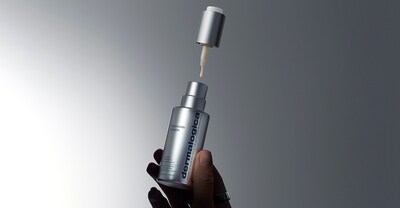
Exosome skincare 2026 has moved from a clinic-only luxury into the mainstream beauty aisle, and the shift is happening faster than almost any other ingredient category in recent memory. Patent publications around exosomes have grown at a 24% compound annual rate over the past five years, K-beauty labs in Seoul are aggressively scaling production, and major brands like Dermalogica, The Inkey List, and Medicube have launched at-home exosome serums priced from US$28 to over US$300. Once reserved for post-laser and post-microneedling protocols inside dermatology clinics, exosomes are now sitting on Sephora and Olive Young shelves with claims about reversing cellular aging, accelerating barrier repair, and amplifying collagen synthesis. The science is real, the marketing is loud, and dermatologists are still drawing the line between what exosomes can do at the clinic and what they can deliver in a 100 ml leave-on serum.
What Are Exosomes, and Why Are They Suddenly Everywhere?
Exosomes are nanoscale extracellular vesicles, typically 30 to 150 nanometers in diameter, that cells release to communicate with one another. They carry a cargo of proteins, lipids, microRNA, and growth factors that influence how surrounding cells behave. In the skin, that means signaling fibroblasts to produce more collagen and elastin, calming inflammatory cascades, and triggering keratinocyte renewal. Dr. Sonia Khorana, a UK-based dermatologist, describes them simply: "Exosomes help skin cells 'talk' to each other. They can encourage repair, calm down inflammation, and stimulate collagen and elastin."
The reason exosome skincare 2026 is dominating trade publications and TikTok feeds simultaneously is that the category sits at the intersection of three powerful consumer trends: medical-grade efficacy expectations, longevity-focused anti-aging, and the K-beauty preference for biotech-derived actives. Korean labs in particular have the regulatory infrastructure, clinical validation pipelines, and commercial agility to lead this category globally, and they are doing so by combining exosomes with adjacent regenerative ingredients like PDRN salmon DNA and stem-cell conditioned media.
Plant-Based vs Stem-Cell Exosomes: The Critical Distinction
One of the biggest sources of confusion in exosome skincare 2026 is the difference between professional clinic exosomes and the versions you can buy over the counter. Professional treatments, especially in Korea, often use human stem-cell-derived exosomes applied immediately after microneedling, fractional lasers, or radiofrequency to amplify the regenerative cascade. These products are regulated as cosmeceuticals or biological agents and are not legally permitted for direct sale to consumers in most Western markets.
At-home formulations instead rely on plant-derived exosomes or lab-cultured vesicles, most commonly sourced from rice bran, ginseng, edelweiss, centella, or fermented botanicals. Sparkling Sciences recently secured US INCI approval for two proprietary exosome ingredients: Human Hair Follicle Dermal Papilla Cell Exosomes (for scalp and hair care) and Organic Rice Bran-Derived Vesicles (for skin and hair formulations). The company is scaling a new R&D and manufacturing facility expected to come online later in 2026, signaling that plant-based exosomes are no longer a fringe ingredient but a structural pillar of the regenerative skincare category.
The Dermalogica Phyto Nature E² Case Study
The most visible mainstream launch in exosome skincare 2026 is Dermalogica's Phyto Nature E², which hit Sephora and Ulta shelves on January 2, 2026. The product combines plant-based exosomes with pumpkin enzyme exfoliation, phyto-glycogen, prickly pear extract, and bio-fermented acetyl glucosamine in a single leave-on serum designed for daily use. Dr. Bob Bianchini, Dermalogica's VP of Research and Development, framed the launch around a generational shift in consumer expectations: "Today's consumers aren't just looking to reduce wrinkles — they're seeking advanced formulas that support the skin's natural renewal."
Dermalogica's eight-week independent clinical study with 32 subjects, applied twice daily, reported visible fine line and wrinkle reduction beginning at day 14, with the brand claiming the product can "rewind" visible skin age by up to six years at the eight-week mark. The texture is notably lightweight, silky, and layerable, which aligns with the broader 2026 K-beauty preference for barely-there formulations covered in our guide to the Bloom Skin aesthetic. The 100 ml retail size and Sephora/Ulta distribution mark the first time a major prestige skincare brand has positioned an exosome serum as a daily-use product rather than a post-procedure booster.
The K-Beauty Exosome Pipeline
Korean brands have been working with exosomes inside dermatology clinics for years, and 2026 is the year that pipeline is reaching the consumer shelf. Medicube's PDRN Pink Exosome Shot Serum, which combines salmon-derived PDRN with plant exosomes, has become one of the highest-velocity launches in the Asia-Pacific channel, and the broader exosome serum category in Korea now commands premium retail pricing between KRW 50,000 and KRW 300,000 per bottle. That price band supports strong wholesale margins for retailers like Olive Young and Sephora Korea, which is why exosome serums are receiving disproportionate shelf space and marketing investment relative to their unit volume.
The strategic logic for K-beauty labs is straightforward. Exosomes complement, rather than compete with, the other regenerative actives already dominating Korean shelves: PDRN, growth factors, stem-cell conditioned media, peptides, and PDLLA boosters like Juvelook. A well-formulated exosome serum can be stacked into an existing anti-aging routine without redundancy, which is why brands are positioning the category as a "biohacking booster" layer rather than a replacement for retinol, niacinamide, or vitamin C.
What Dermatologists Say About At-Home Exosome Claims
The dermatology community is broadly enthusiastic about exosomes as a clinical adjunct but more cautious about over-the-counter claims. The evidence base is strongest for exosomes applied immediately after a controlled barrier disruption — microneedling, fractional laser, radiofrequency microneedling — where the disrupted barrier allows the vesicles to penetrate deeper layers of the dermis. In an intact stratum corneum, the molecular size of exosomes raises legitimate questions about how much active cargo actually reaches viable skin cells.
That said, plant-based vesicles formulated with penetration enhancers, peptide carriers, or encapsulation technologies have shown measurable improvements in barrier function, hydration, and inflammatory markers in multiple independent studies. Dermatologists generally recommend pairing exosome serums with an evidence-based core routine — sunscreen, retinoids or a complete anti-aging Korean skincare routine, antioxidants, and barrier-supporting ingredients like ceramides and beta-glucan — rather than treating exosomes as a standalone solution.
How to Layer an Exosome Serum Into a 2026 Routine
Exosome serums are most effective when applied to clean, slightly damp skin to maximize absorption. The typical sequence in a 2026 K-beauty routine is cleanser, toner or essence, exosome serum, targeted active (such as a peptide complex or brightening serum like tranexamic acid), moisturizer, and SPF in the morning. At night, the routine often ends with an occlusive sleeping mask or barrier cream to lock in the regenerative cargo.
Consistency matters more than concentration. Most clinical studies showing visible benefit used twice-daily application over a minimum of eight weeks, which aligns with the skin's natural cellular turnover cycle. Layering an exosome serum on top of strong actives like high-percentage retinoids or AHAs on the same evening is generally discouraged, because the inflammatory cascade those actives generate can interfere with the cell-signaling work the exosomes are designed to perform. Many dermatologists recommend an "exosome night" — barrier-first, no actives — twice per week to maximize repair.
Expert Insights: What to Look for on the Ingredient List
The exosome category is notoriously opaque on labels, partly because INCI nomenclature for plant-derived vesicles is still standardizing. Reputable formulations will disclose the source organism (rice bran, ginseng, centella, edelweiss, etc.), the standardized vesicle concentration, and complementary actives that support delivery. Red flags include vague claims like "exosome technology" without a named source, missing concentration data, and inflated efficacy claims that go beyond what current peer-reviewed evidence supports.
Dermatologists also recommend verifying that the product has been formulated and stored under cold-chain conditions where appropriate, because the bioactive cargo inside exosomes is sensitive to heat and oxidation. Brands that ship in opaque, airtight packaging with documented stability testing — like Dermalogica's purple bottle for Phyto Nature E² — generally outperform brands that use clear glass or jar packaging.
You May Also Like
- PDRN Skincare 2026: Why K-Beauty's Salmon DNA Ingredient Is Trending 700%
- Juvelook Skincare 2026: Inside K-Beauty's PDLLA Booster Trend
- Anti-Aging Korean Skincare Routine 2026: The Complete K-Beauty Guide
- Bloom Skin 2026: K-Beauty's Glass Skin Evolution Surging 121%
- Beta-Glucan Skincare 2026: K-Beauty's Barrier Hero
FAQ
Q: Are exosome skincare products safe for sensitive skin in 2026?
A: Plant-based exosome serums are generally well tolerated, and most are formulated specifically to support barrier repair and reduce inflammation, which makes them suitable for reactive and post-procedure skin. However, anyone with active dermatitis, broken skin, or a history of allergy to specific botanical sources should patch test for 48 hours before full-face application. Stem-cell-derived exosomes used in clinics are a separate regulatory category and should only be administered by a licensed professional.
Q: Can you use exosome serum with retinol or vitamin C?
A: Exosomes can be paired with most actives, but the optimal sequencing is to apply exosome serum first on slightly damp skin, wait 60 to 90 seconds, then apply your targeted active. Avoid combining high-percentage retinoids or AHAs with exosomes on the same night if your barrier is already compromised — separate them into AM and PM applications, or alternate evenings.
Q: How long does it take to see results from exosome skincare?
A: Clinical studies on plant-based exosome serums, including the eight-week Dermalogica Phyto Nature E² trial, report visible fine line and wrinkle improvement starting around day 14, with full results at the eight-week mark. Hydration and barrier improvements are typically noticeable within the first two weeks. Texture and tone improvements take longer because they depend on the full skin renewal cycle.
Q: Are at-home exosome serums as effective as clinic treatments?
A: No. Clinic-based exosome treatments, especially when applied immediately after microneedling or laser, deliver a much higher functional dose and bypass the stratum corneum barrier. At-home serums deliver more gradual, cumulative benefits and work best as maintenance between professional treatments or as a daily regenerative layer in an otherwise complete routine.
Q: Are exosomes worth the premium price compared to peptides or PDRN?
A: Exosomes, PDRN, and peptides are complementary rather than competing categories. Peptides are the most evidence-rich and affordable option for daily use, PDRN has the strongest data for tissue repair and post-procedure recovery, and exosomes carry the most diverse signaling cargo. For a budget-conscious 2026 routine, peptides should anchor the core, with PDRN or exosomes layered in as targeted boosters. For premium routines, all three can be used together without redundancy.
The Bottom Line
Exosome skincare 2026 is no longer a clinic-only luxury or a niche K-beauty experiment. It is becoming a structural category alongside retinoids, peptides, and PDRN, with major prestige brands like Dermalogica anchoring the mainstream and Korean labs driving the next wave of innovation. The science supporting cell-communication-based skincare is genuinely promising, especially for plant-derived vesicles paired with smart delivery systems. But the category still demands consumer literacy: source disclosure, concentration transparency, and realistic expectations about what an at-home serum can do versus what happens inside a dermatology clinic. Stack exosomes into a barrier-first routine, give the eight-week clinical window time to work, and use them to amplify — not replace — the actives that already have decades of evidence behind them.
Source: PR Newswire — Dermalogica Phyto Nature E², Personal Care Insights, Who What Wear — Dr. Sonia Khorana on Exosomes


댓글
댓글 쓰기