Hypochlorous Acid Skincare 2026: The Viral Antimicrobial Spray Dermatologists Recommend for Sensitive Skin
Hypochlorous Acid Skincare 2026: The Antimicrobial Spray Quietly Reshaping Sensitive-Skin Routines
Hypochlorous acid skincare has shifted from a niche dermatology-clinic spray to one of the loudest sensitive-skin trends of 2026. The molecule, often written as HOCl, is the same antimicrobial weapon your own white blood cells release during an immune response. Brands now stabilize it in a bottle, and dermatologists are recommending it to patients with rosacea, eczema, post-procedure inflammation, and stubborn acne. Hypochlorous acid is gentle, broad-spectrum, and remarkably well tolerated, which is why TikTok dermatologists, esthetician influencers, and Sephora shelves are all converging on the same ingredient at the same time.
What Hypochlorous Acid Actually Is
Hypochlorous acid is a weak acid produced naturally by neutrophils, a type of white blood cell. When the immune system detects bacteria, viruses, or fungi, neutrophils generate HOCl as a first-line disinfectant. The molecule punches through microbial cell walls and breaks down inflammatory mediators, then quickly degrades into harmless saline. That short half-life is the whole reason it took so long to commercialize: stabilizing HOCl at skincare-friendly pH (around 3.5 to 5.5) without it converting back to bleach-like sodium hypochlorite required years of formulation work.
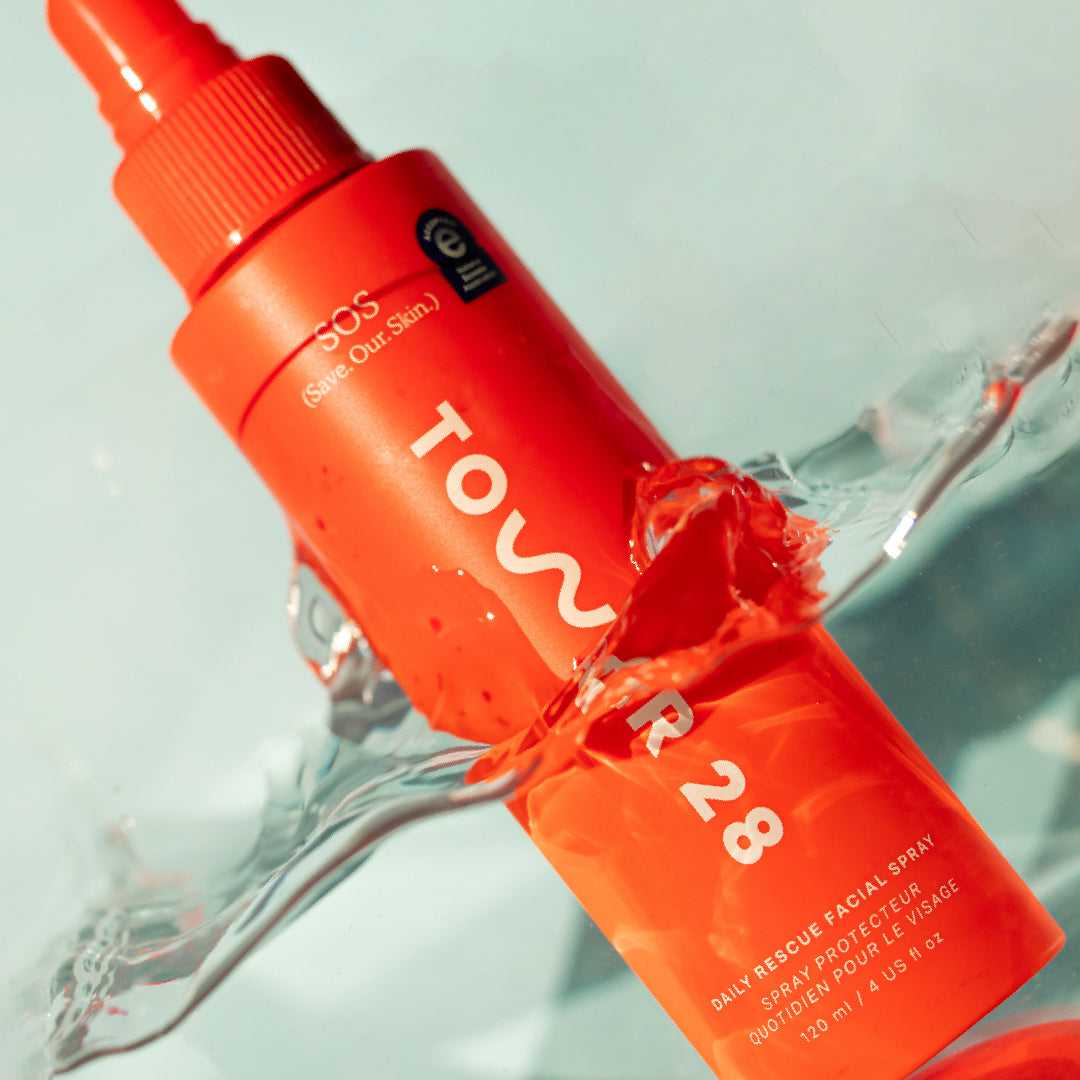
Tower 28, the brand most associated with the trend, spent eight years stabilizing its SOS Daily Rescue Facial Spray before launch. Today, the same active is sold by Magic Molecule, Prequel, Briotech, SkinSmart, and a growing number of K-beauty challengers building it into mists, toner pads, and post-laser recovery sprays.
Why Dermatologists Endorse HOCl in 2026
Banner Health dermatologist Trevor Thompson, MD, calls hypochlorous acid “a weak acid that acts as a powerful, naturally occurring disinfectant,” adding that “the idea of an affordable, natural defense against infection that’s generally well tolerated is really appealing.” Dr. Samer Jaber of Washington Square Dermatology has noted that hypochlorous acid is so well tolerated it is even used to treat blepharitis, the chronic eyelid inflammation that wrecks contact-lens wearers. Cornell-affiliated dermatologist Marisa Garshick, MD, recommends spraying HOCl “after cleansing, prior to any serums or moisturizers,” framing it as a barrier-reset step rather than a treatment serum.
The clinical case for hypochlorous acid in 2026 rests on three pillars:
- Broad-spectrum antimicrobial activity against acne-driving Cutibacterium acnes, eczema-associated Staphylococcus aureus, and the fungal contributors to seborrheic dermatitis.
- Anti-inflammatory signaling: HOCl neutralizes histamine, leukotrienes, and other inflammatory mediators that drive redness and itch.
- Barrier neutrality: unlike benzoyl peroxide or alcohol-based antiseptics, HOCl does not strip lipids or disrupt the acid mantle when formulated correctly.
Tower 28’s SOS spray is currently the only hypochlorous acid product carrying recognition from all three major U.S. skin-health organizations, the National Eczema Association, the National Rosacea Society, and the National Psoriasis Foundation, which is a meaningful regulatory signal for a category that lives or dies on tolerability.
The Skin Conditions HOCl Is Best At
Hypochlorous acid is not an anti-aging hero in the way niacinamide or peptides are. Its job is calming, decolonizing, and resetting. In 2026 dermatology practice, the strongest indications include:
- Rosacea and persistent facial redness, where HOCl reduces vasodilatory flares without the sting of azelaic acid.
- Atopic dermatitis and eczema, particularly the staph-colonized flares that itch worst at night.
- Inflammatory and hormonal acne, used as a finishing spray to lower bacterial load before bed.
- Post-procedure recovery after lasers, microneedling, chemical peels, and aesthetic injectables.
- Mask-related and sports-gear acne, including the breakouts that surge after long shifts in helmets, mouthguards, or N95s.
- Eyelid hygiene and blepharitis, often as a dedicated lid spray.
Hypochlorous acid pairs especially well with calming botanicals already trending in K-beauty. Readers who lean Korean-skincare-first will recognize the same indication set we covered in our Centella Asiatica guide and our Heartleaf skincare deep-dive, two pillars of the sensitive-skin canon. HOCl sits one layer earlier in the routine: spray, let dry, then proceed with cica, panthenol, or madecassoside serums.
How to Layer Hypochlorous Acid in a 2026 Routine
The 2026 dermatology consensus is that HOCl works as a pre-treatment mist applied to clean skin, then again midday as a redness reset. A representative routine looks like this:
- Cleanse with a low-pH, surfactant-light cleanser.
- Spray HOCl and let it air-dry for 30 to 60 seconds without wiping.
- Apply hydrating actives: hyaluronic acid, panthenol, beta-glucan, or polyglutamic acid.
- Treatment step: retinoid, exosome serum, or PDRN at night; vitamin C in the morning.
- Seal with a barrier moisturizer containing ceramides and cholesterol.
- Sunscreen every morning, broad-spectrum SPF 50.
The mist can also be repeated as a refresher during the day, after workouts, or after touching the face. Because HOCl breaks down into saline, it does not interact negatively with vitamin C, retinoids, AHAs, or BHAs, which is rare for an active this potent.
The K-Beauty Crossover: Why Korean Brands Are Racing In
Korea’s indie skincare scene has historically dominated the sensitive-skin category through fermented ingredients, hanbang herbs, and barrier-first formulation. Hypochlorous acid is the missing antimicrobial layer that complements those traditions instead of competing with them. Olive Young buyers spent late 2025 sourcing stabilized HOCl from Korean OEMs, and several K-beauty launches in spring 2026 now bundle HOCl with heartleaf extract, mugwort distillate, or low-molecular hyaluronic acid in a single mist.
Expect to see HOCl integrated into the broader 2026 K-beauty barrier movement we mapped in our Bloom Skin trend report, where the goal is no longer a wet, reflective glass-skin finish but a calm, dimensional, barrier-led luminosity.
Expert Insights: What Dermatologists Actually Say
Beyond marketing copy, three clinical points keep surfacing from board-certified dermatologists in 2026 coverage:
- Concentration matters. Facial-grade HOCl works at roughly 100 to 200 parts per million. Wound-care concentrations are higher and not necessarily better for daily skincare.
- Storage matters. HOCl degrades with light, heat, and air. Opaque bottles, cool storage, and respecting the period-after-opening date are non-negotiable.
- It is not a replacement for prescription therapy. For moderate-to-severe acne, rosacea, or eczema, HOCl is an adjunct, not a substitute for topical antibiotics, ivermectin, or topical calcineurin inhibitors.
Dermatologists also caution that the “natural disinfectant” framing can be overplayed. HOCl is genuinely well tolerated, but anyone with active oozing lesions, suspected infection, or recent surgery should follow clinician guidance rather than self-treat.
How HOCl Compares to Other 2026 Sensitive-Skin Actives
Hypochlorous acid is part of a wider 2026 shift toward antimicrobial-plus-anti-inflammatory dual-action ingredients. Three useful comparisons:
- HOCl vs. benzoyl peroxide: similar antibacterial reach, dramatically lower irritation, and zero bleaching of towels or pillowcases.
- HOCl vs. azelaic acid: HOCl is faster on bacterial load and inflammation, azelaic acid is stronger on long-term pigment and post-inflammatory marks. Many 2026 routines run both.
- HOCl vs. centella or heartleaf: complementary, not competing. Botanical calmers address inflammatory cascades; HOCl addresses microbial drivers behind them.
You May Also Like
- Centella Asiatica in Skincare 2026: The Complete Sensitive-Skin Guide
- Heartleaf Skincare 2026: Why Houttuynia Cordata Is the New Centella
- Mugwort Skincare 2026: K-Beauty’s Calming Hero for Sensitive Skin
- K-Beauty Ingredients Encyclopedia 2026
FAQ: Hypochlorous Acid Skincare 2026
Q: Is hypochlorous acid the same as bleach?
A: No. Bleach is sodium hypochlorite at alkaline pH and high concentration. Skincare hypochlorous acid is HOCl at near-skin pH and roughly 100 to 200 parts per million, where the chemistry is dramatically gentler. It degrades to harmless saline within minutes.
Q: Can I use hypochlorous acid every day?
A: Yes. Most dermatologists recommend daily, even multiple times daily, for sensitive, acne-prone, rosacea-prone, or post-procedure skin. Because it breaks down quickly and is non-stripping, it is one of the lowest-risk daily actives in 2026 skincare.
Q: Does hypochlorous acid help with adult hormonal acne?
A: It helps reduce bacterial load and inflammation, which calms the size, redness, and lifespan of individual lesions. It does not address hormonal drivers directly, so it works best alongside retinoids, azelaic acid, or, where appropriate, prescription therapy.
Q: Can I use hypochlorous acid with retinol, vitamin C, or exfoliating acids?
A: Yes. HOCl is one of the most layering-friendly actives on the market. Spray it on clean skin first, let it dry, then continue with vitamin C in the morning or your retinoid at night without interaction concerns.
Q: How long does an opened bottle last?
A: Most stabilized HOCl skincare sprays carry a 6 to 12 month period-after-opening window. Heat, sunlight, and repeated exposure to air shorten that. Store cool, keep capped, and respect the date printed on the bottle.
Q: Is hypochlorous acid safe during pregnancy and breastfeeding?
A: Hypochlorous acid is broadly considered low-risk because it is endogenously produced and degrades to saline. As with any active during pregnancy, confirm with your obstetrician or dermatologist, especially if you are using it for a specific medical condition rather than general redness.
The Bottom Line
Hypochlorous acid is not a flashy 2026 ingredient. It does not promise reversal of biological aging or visible transformation in seven days. What it does is something rarer in skincare: it solves multiple inflammatory and microbial problems with a single, mild, well-tolerated active that plays nicely with everything else in your routine. For sensitive, reactive, rosacea-prone, eczema-prone, or post-procedure skin, HOCl earns its place as a foundational step. Pair it with a barrier-rebuilding routine, sunscreen, and the calming botanicals K-beauty already does best, and the cumulative effect over a season is the kind of quiet, dimensional skin that defines 2026’s aesthetic shift.
Sources: Tower 28 Beauty, HuffPost, Banner Health, TODAY.


댓글
댓글 쓰기