Heartleaf Skincare 2026: Why K-Beauty's Houttuynia Cordata Is the New Centella for Acne and Sensitive Skin
Heartleaf Skincare 2026: Why K-Beauty's Houttuynia Cordata Is the New Centella for Acne and Sensitive Skin
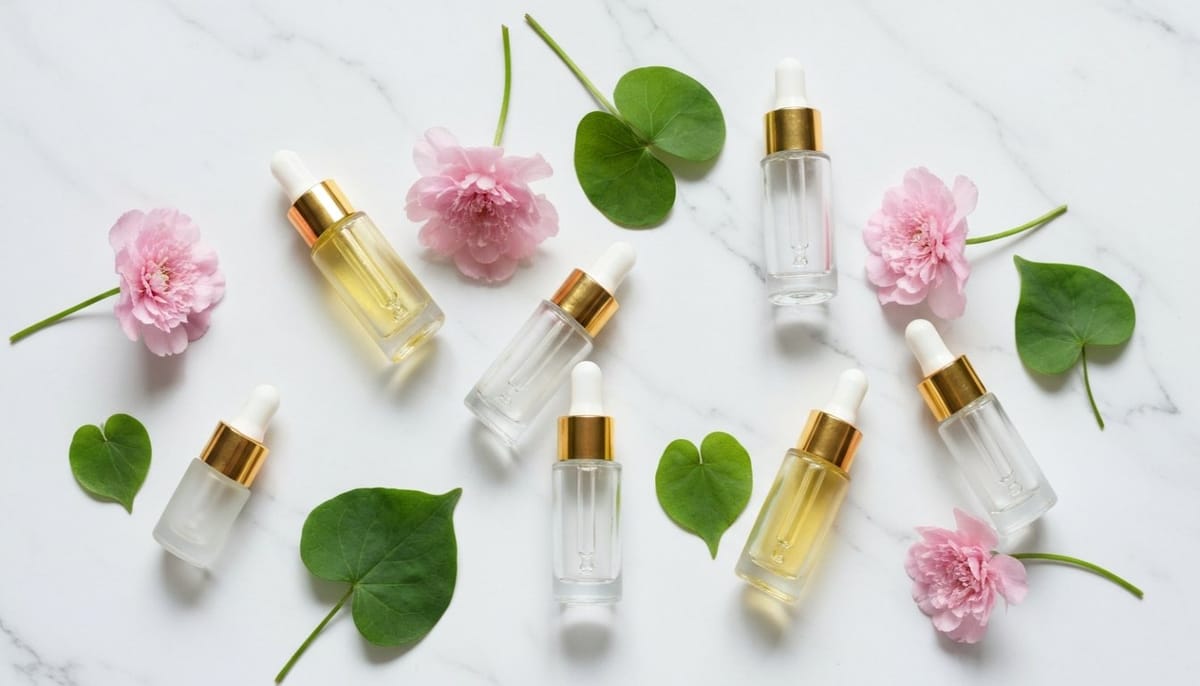
Heartleaf skincare has quietly overtaken centella asiatica as K-beauty's most-searched calming ingredient in 2026, and the data backs it up. According to consumer trends platform Spate, heartleaf (Houttuynia cordata) ranked among the fastest-growing skincare ingredient searches in the United States this year, driven largely by Anua's Heartleaf 77 Soothing Toner, which became a TikTok phenomenon and a top-five bestseller at Korea's Olive Young. The reason dermatologists and Korean formulators are reaching for heartleaf goes beyond hype: it targets the bacterial and inflammatory drivers of acne more directly than centella, while remaining gentle enough for rosacea-adjacent skin types.
What Is Heartleaf, and Why Now?
Houttuynia cordata, known as eo-seong-cho (어성초) in Korean and yu xing cao in traditional Chinese medicine, is a perennial herb that has been used across East Asia for over a thousand years to treat skin inflammation, infections, and wound healing. The plant gets its name from the faintly fishy smell of its crushed leaves — the result of decanoyl acetaldehyde, one of its most biologically active compounds.
For most of K-beauty's modern history, centella asiatica (cica) dominated the calming-ingredient category. But by late 2025, formulators began shifting toward heartleaf for three specific reasons. First, its antibacterial profile is broader than centella's, with documented activity against Cutibacterium acnes, the bacterium implicated in inflammatory acne. Second, the high quercetin and isoquercitrin content gives heartleaf a measurable antioxidant punch that centella lacks. Third — and most importantly for consumers — heartleaf-based formulas tend to feel lighter and absorb faster, which is why they outperform cica creams in K-beauty's hot, humid summer months.
The Anua Effect: How One Toner Reshaped a Category
No conversation about heartleaf in 2026 is complete without Anua. The Korean brand's Heartleaf 77% Soothing Toner — formulated with 77% Houttuynia cordata extract instead of water — went viral on TikTok in mid-2024 and never lost momentum. By Q1 2026, Anua had partnered with EL&N cafe on a limited-edition collaboration, expanded into Sephora's US doors, and inspired a wave of competitor launches.
The 77% number matters. Most Korean toners list heartleaf as one of dozens of botanical extracts at concentrations well below 5%. Anua's choice to replace water entirely with heartleaf extract — a formulation strategy borrowed from earlier K-beauty hits like Some By Mi's AHA-BHA-PHA 30 Days Miracle Toner — created a measurable difference in calming efficacy. Reviewers consistently report visible reduction in redness within 48 hours of use.
Heartleaf vs. Centella: What Dermatologists Actually Say
Beauty product developer Kristin Liang summarizes the clinical distinction directly: "Similar to centella, heartleaf has soothing, anti-inflammatory skincare benefits especially great for acne-prone skin." The key word is "especially." Centella works on a broad inflammatory pathway through madecassoside and asiaticoside; heartleaf adds antimicrobial and sebum-regulating action on top of that calming base.
Dr. Michele Koo, a board-certified plastic surgeon, notes that heartleaf's "potential for skincare is promoted because of its anti-inflammatory and hydrating properties." NYC dermatologist Dr. Debra Jaliman offers an important caveat: "Some people get tingling from this ingredient. If you have very red skin, rosacea, or bad eczema, you may want to avoid it." That tingling — usually mild and transient — comes from the same volatile compounds responsible for heartleaf's smell, and is the main reason patch-testing matters before adding a high-percentage heartleaf product to your routine.
For acne-prone skin, the practical advantage is layering. Heartleaf toners and serums can sit comfortably under a benzoyl peroxide or adapalene treatment without amplifying barrier irritation — something niacinamide-only formulas struggle with at higher concentrations.
The Science: What Makes Heartleaf Different
Modern research has begun catching up with traditional use. Houttuynia cordata extract contains a defined cocktail of bioactives — quercetin, hyperin, rutin, decanoyl acetaldehyde, and houttuynin — each with documented activity in skin models. Quercetin and rutin act as topical antioxidants that quench reactive oxygen species generated by UV exposure and pollution. Houttuynin and decanoyl acetaldehyde provide the antimicrobial action against acne-related bacteria. Polysaccharides in the extract function as humectants, drawing water into the upper epidermis without occlusive heaviness.
This multi-target profile is why Korean dermatology clinics increasingly use heartleaf-based serums as a recovery product after laser resurfacing and chemical peels. A short, science-backed routine — heartleaf toner, peptide serum, ceramide moisturizer, mineral SPF — captures most of what 2026 K-beauty is signaling: streamlined regimens, biotech and botanical ingredients working together, and minimal active stacking.
How to Use Heartleaf in Your Routine
The simplest entry point is a heartleaf toner used twice daily after cleansing. Apply with hands rather than cotton pads to minimize friction, then layer your treatment serums while skin is still damp. For active breakouts, a heartleaf spot pad (such as Abib's heartleaf pads) can deliver concentrated extract directly to inflamed papules without disturbing the surrounding barrier.
If your skin is dry or aging, pair heartleaf with a humectant-rich essence — this is where K-beauty's broader essence category becomes useful for stacking moisture. As we covered in our Best Korean Essences 2026 guide, fermented and polyglutamic-acid-based essences amplify the hydration heartleaf delivers, without competing biochemically.
For acne-prone routines, heartleaf integrates cleanly with the broader Korean approach to breakouts. Our Korean Skincare for Acne-Prone Skin 2026 guide walks through the full sequence — cleanse, tone with heartleaf, treat with a targeted serum (BHA, retinoid, or PDRN depending on your concern), moisturize, and protect with SPF.
Expert Insights: What Dermatologists Watch For
Three things separate a credible heartleaf product from a marketing-driven one. First, look for the actual percentage of Houttuynia cordata extract listed in the product description — under 5% is mostly window dressing. Second, check the second and third ingredients on the INCI list; heartleaf works best in a clean base of water, glycerin, and butylene glycol, not buried under fragrance and high-percentage alcohols. Third, watch for synergistic actives: panthenol, madecassoside, and allantoin amplify the calming effect, while strong fragrance oils or essential oils undercut it.
Dermatologists also caution against treating heartleaf as a replacement for prescription acne therapy. It is genuinely effective at reducing redness, calming post-inflammatory marks, and supporting barrier recovery — but moderate to severe inflammatory acne still benefits from topical retinoids or, in some cases, oral isotretinoin under medical supervision. Heartleaf is best understood as a barrier-friendly companion to those treatments, not a standalone cure.
The Best Heartleaf Products of 2026
The shelves are crowded, but a few formulas consistently appear in dermatologist and editor picks. Anua Heartleaf 77% Soothing Toner remains the category benchmark for its high extract concentration and minimal-fragrance base. Abib Heartleaf Spot Pad delivers targeted relief for active breakouts without disturbing the rest of the routine. Goodal Houttuynia Cordata Calming Moisture Mask is a useful weekly treatment for compromised barriers. Skin1004 Madagascar Centella Heartleaf Wash-Off Mask bridges heartleaf with centella for sensitive, reactive skin.
For sheet mask layering during heat waves or after sun exposure, the same heartleaf principles apply — concentration matters more than packaging. Our Korean Sheet Masks Guide 2026 covers how to use these as part of a calming reset, particularly post-treatment.
You May Also Like
- Korean Skincare for Acne-Prone Skin 2026
- Best Korean Essences 2026: Complete K-Beauty Guide
- Complete Guide to Glass Skin 2026: The 10-Step Korean Skincare Routine
- K-Beauty Ingredients Encyclopedia 2026
FAQ
Q: Is heartleaf skincare safe for sensitive skin?
A: Generally yes — heartleaf is one of the gentlest calming actives in K-beauty. However, people with rosacea, active eczema, or known fragrance sensitivity should patch-test first, since the volatile compounds in Houttuynia cordata can cause mild tingling. If you experience burning or sustained redness, discontinue use.
Q: Can I use heartleaf and retinol together?
A: Yes, and they pair well. Apply heartleaf toner first to calm and prep the barrier, then layer your retinol or retinoid. Heartleaf's anti-inflammatory action helps offset the redness and flaking that early-stage retinoid use often causes, making it easier to stay consistent with your retinoid routine.
Q: How is heartleaf different from centella asiatica (cica)?
A: Both are soothing botanicals from East Asian traditional medicine, but they work on different mechanisms. Centella focuses on wound healing and broad anti-inflammatory action via madecassoside and asiaticoside. Heartleaf adds antimicrobial activity against acne bacteria and stronger antioxidant coverage from quercetin and rutin. For pure acne-prone skin, heartleaf often outperforms centella; for general redness or compromised barriers, they're roughly equivalent.
Q: How long does heartleaf take to show results?
A: Visible reduction in redness typically appears within 48 to 72 hours of consistent twice-daily use. Improvement in active breakouts takes longer — usually two to four weeks — because heartleaf works on the inflammatory and bacterial environment rather than dissolving existing clogs the way salicylic acid does. Pair it with a BHA exfoliant for faster clearing.
Q: Is the Anua Heartleaf 77 Toner worth the hype?
A: For most skin types, yes. The 77% Houttuynia cordata extract concentration is unusually high for the price point, and the formula avoids the fragrance and alcohol that undercut competing products. The main caveat is the texture — it's quite watery, which some users find requires more product per application than expected. Otherwise, the TikTok virality reflects genuine performance.
The Bottom Line
Heartleaf is no longer the quiet alternative to centella — it's the leading edge of K-beauty's 2026 calming-ingredient category. Its combination of antimicrobial, antioxidant, and anti-inflammatory action makes it uniquely suited to acne-prone and sensitive skin, while its lightweight texture has helped Anua and other brands ride a sustained TikTok-driven sales wave into the mainstream US market. If your routine still relies on cica for redness or breakout relief, swapping in a high-percentage heartleaf toner is one of the most evidence-backed upgrades you can make this year. Start with a patch test, layer with a humectant essence, and protect the result with daily SPF — the same logic that powers every successful K-beauty routine.
Sources: Cosmetics Business, PureWow, The Glow Pick


댓글
댓글 쓰기