Hanbang Skincare 2026: Why Modernized Korean Herbal Beauty Is K-Beauty's Biggest Trend
Hanbang Skincare 2026: Why Modernized Korean Herbal Beauty Is K-Beauty's Biggest Trend This Year
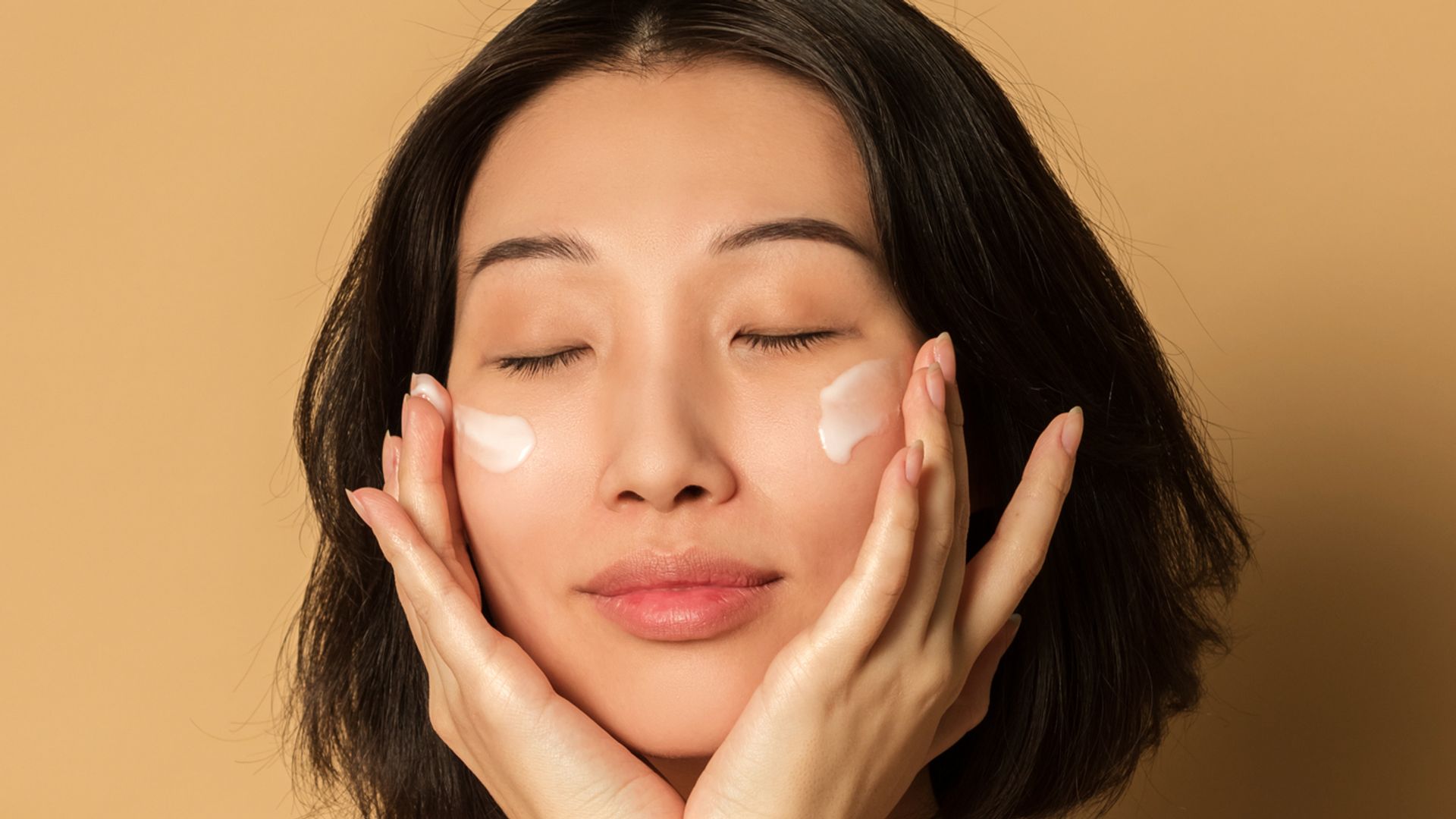
Hanbang skincare 2026 is having a defining moment. After years dominated by lab-engineered actives like exosomes and PDRN, the K-beauty industry is circling back to the herbal apothecary that first put Korean skincare on the map — only this time, the formulas are powered by encapsulation technology, fermentation science, and clinical-grade peptides. According to forecasts published this spring by BeautyMatter and Cosmetics Business, modernized hanbang formulas built around ginseng, mugwort, and bamboo sap are projected to be one of the largest growth categories in K-beauty for the remainder of the year.
The shift is being framed by industry analysts as "Hanbang 2.0": traditional Korean herbal medicine reformulated with the same delivery-system rigor that biotech actives have enjoyed for the past three seasons. For consumers, it means visibly familiar ingredients in dramatically more effective formats — and for brands, it means a credible answer to the growing fatigue around lab-only "biotech" marketing language.
What Is Hanbang Skincare, and Why Is It Trending in 2026?
Hanbang (한방) refers to traditional Korean herbal medicine, a healing system with more than 2,000 years of documented use. In a skincare context, hanbang formulas rely on botanicals that Korean royal families and traditional pharmacists used to treat skin disorders, including ginseng, mugwort, licorice root, lotus, bamboo sap, and fermented rice. These ingredients have always been a quiet baseline in K-beauty, but until recently the formulations were largely traditional — herbal extracts in slow-absorbing emulsions.
The 2026 trend, as outlined in the BeautyMatter "K-Beauty Forecast" and HELLO! Magazine's expert roundup with Skin Cupid CEO Melody Yuan, is the convergence of those legacy ingredients with three modern technologies: lipid nanoparticle encapsulation (so actives reach the dermis), microbial fermentation (so molecules become smaller and more bioavailable), and peptide co-formulation (so botanicals work synergistically with growth-factor mimetics). The result is hanbang skincare that finally performs at clinical-grade levels rather than just smelling pleasantly herbal.
The Three Pillar Ingredients of Modern Hanbang
Korean R&D teams are concentrating on three botanicals in particular for 2026, each with newly published efficacy data and a pipeline of upgraded launches.
Ginseng (Panax ginseng). The most studied hanbang active, Korean red ginseng contains ginsenosides — saponin compounds shown in peer-reviewed dermatology literature to stimulate Type I collagen synthesis, scavenge reactive oxygen species, and improve microcirculation. Modern hanbang formulas wrap ginsenosides in lipid nanoparticles roughly 100 nanometers in diameter, allowing penetration through the stratum corneum that intact ginseng extract cannot achieve. A 2025 split-face study cited by K-Trend reported that encapsulated ginseng extract delivered 43% greater improvement in skin elasticity and 31% greater improvement in hydration versus a non-encapsulated equivalent over eight weeks.
Mugwort (Artemisia princeps, "ssuk"). Long used in Korean steam baths for sensitive and inflamed skin, mugwort is rich in chamazulene and bisabolol — anti-inflammatory compounds that calm redness and reduce histamine response. The 2026 generation of mugwort products typically features fermented or distilled extracts (which raise the concentration of active sesquiterpenes) and pairs the botanical with panthenol, beta-glucan, or centella asiatica for compounded barrier-repair effects. As we discuss in our Centella Asiatica Skincare 2026 guide, this layered botanical strategy is central to modern K-beauty barrier care.
Bamboo sap (Phyllostachys). The newest of the three pillars in mainstream Western markets, bamboo sap is high in silica and amino acids and is being positioned as a "structural humectant" — providing hydration alongside connective-tissue support. Korean brands are now using ultrafiltered bamboo sap as a base in essences and ampoules in place of plain water, dramatically increasing the mineral and amino acid load of the formula without adding weight.
Why "Modernization" Actually Matters
Critics of hanbang have long pointed out a real problem: most herbal molecules are too large or too unstable to penetrate the skin meaningfully. A drop of unprocessed ginseng extract on the face, regardless of cultural pedigree, mostly sits on the surface. The modernization push solves that with three specific technologies.
First, liposomal and lipid-nanoparticle encapsulation shrinks active compounds into delivery vehicles small enough to slip past the corneocyte layer. Second, fermentation — using strains like Lactobacillus or Saccharomyces — breaks botanical macromolecules into smaller, more bioavailable fragments while generating beneficial postbiotic byproducts. Third, peptide pairing co-formulates herbal actives with biomimetic peptides so the skin receives both the soothing/antioxidant signal of the botanical and the regenerative signal of the peptide simultaneously.
This is the same playbook that turned PDRN skincare and exosome skincare into clinical-grade categories — applied now to ingredients with centuries of empirical use behind them. The combination of cultural credibility plus modern delivery is precisely why analysts are flagging Hanbang 2.0 as the highest-confidence K-beauty trend of the year.
How to Read a Hanbang 2026 Ingredient List
Not all hanbang labeling is equal. To separate marketing from genuinely modernized formulas, look for the following on the back label:
- The ingredient appears in the top 5–7 INCI positions (high enough concentration to be clinically meaningful)
- A delivery descriptor accompanies it: "encapsulated", "liposomal", "nano", "fermented", or a named carrier system
- Co-formulation with peptides, niacinamide, ceramides, or beta-glucan rather than alcohol-heavy extract bases
- A specified part of the plant ("ginseng root extract", "mugwort leaf extract") rather than vague "ginseng water"
- A percentage callout where regulators allow it (e.g., "78% Korean red ginseng root extract")
For a deeper breakdown of how to evaluate K-beauty INCI lists, see our Anti-Aging Korean Skincare Routine 2026 guide, which covers concentration thresholds for major ingredient classes by age group.
Building a Hanbang-Forward Routine in 2026
Hanbang formulas integrate cleanly into a standard 5- or 7-step Korean routine. The most evidence-supported sequencing for 2026 is:
- Cleanse with an oil-based hanbang cleanser (often built on rice bran oil or camellia oil) followed by a gentle, low-pH water-based cleanser.
- Tone using a fermented essence — typically galactomyces, bifida, or fermented rice ferment filtrate — to prime the barrier and improve subsequent absorption.
- Treat with a hanbang ampoule featuring encapsulated ginseng or mugwort. This is where most of the active dose goes; use it morning and evening for 8–12 weeks for measurable results.
- Hydrate with a bamboo-sap or beta-glucan essence.
- Moisturize with a ceramide- and peptide-rich cream that pairs with the hanbang treatment layer.
- Protect in the morning with a broad-spectrum SPF 50; UV exposure is still the dominant variable in any anti-aging protocol.
This sequence is consistent with the layering principles established in our Double Cleansing Method guide and the broader framework in the K-Beauty Complete Guide 2026.
What Dermatologists Say About Hanbang 2.0
Dermatology commentary in 2026 has been cautiously positive. The clinical case for ginsenosides as antioxidants and for mugwort sesquiterpenes as anti-inflammatories is well-established; the open question is whether topical concentrations and delivery systems are sufficient to translate that biology to the skin. Modern encapsulation has narrowed the gap considerably, but most dermatologists still recommend treating hanbang formulas as adjuncts to evidence-based actives — retinoids for collagen remodeling, vitamin C for antioxidant defense, niacinamide for barrier and tone — rather than as standalone replacements.
Patch-testing remains essential. Botanical actives are common allergens, and concentrated fermented extracts can occasionally trigger reactions in sensitized skin. Apply a new hanbang product to the inner forearm or behind the ear for three consecutive days before introducing it to the face.
You May Also Like
- Centella Asiatica Skincare 2026: Why Cica Is K-Beauty's Most Trusted Barrier Repair Ingredient
- PDRN Skincare 2026: K-Beauty's Viral Salmon DNA Ingredient Guide
- Exosome Skincare 2026: K-Beauty's Biotech Anti-Aging Secret
- Rice Water Skincare 2026: K-Beauty's Ancient Secret for Brighter Skin
- K-Beauty Ingredients Encyclopedia 2026
FAQ
Q: Is hanbang skincare 2026 actually different from older Korean herbal products?
A: Yes — meaningfully. The botanicals are the same (ginseng, mugwort, bamboo sap, licorice, lotus), but the 2026 generation almost always pairs them with a defined delivery system (encapsulation, liposomes, nano-emulsions) and frequently with fermentation. That changes how much of the active actually reaches living skin layers, which is the difference between a pleasant ritual and a measurable clinical effect.
Q: Can I use hanbang skincare with retinol or acids?
A: Generally yes, but stagger them. Use hanbang ampoules and essences (ginseng, mugwort, bamboo sap) in the morning, and reserve retinoids or acids for the evening. If your skin barrier is compromised, prioritize hanbang barrier repair for two to four weeks before reintroducing potent actives.
Q: Is hanbang safe during pregnancy?
A: Most hanbang botanicals (centella, mugwort, ginseng) are considered low-risk topically, but pregnancy data are limited and concentrations vary widely. Speak with your obstetrician before starting any new active during pregnancy or breastfeeding, particularly fermented extracts and concentrated ginsenoside formulas.
Q: How long until I see results from a modernized hanbang routine?
A: Hydration and tone improvements are typically visible within two to four weeks. Elasticity, fine lines, and hyperpigmentation respond more slowly — expect a meaningful change at the 8- to 12-week mark with consistent twice-daily use, which is in line with most peer-reviewed K-beauty efficacy studies.
Q: Are hanbang products worth the premium price?
A: It depends on what's inside. A 32,000 KRW (~$25 USD) ampoule with encapsulated ginseng and a clear concentration callout often outperforms a 120,000 KRW (~$95 USD) "luxury hanbang" cream that lists ginseng water in the lower third of the INCI. Read the label, not the price tag.
Q: Which hanbang ingredient should I start with?
A: For most readers, mugwort is the gentlest entry point — it's calming, well-tolerated, and pairs with almost every other K-beauty active. Move to ginseng once your barrier is stable and you're targeting elasticity or radiance, and add bamboo sap as a hydration upgrade in any season.
The Bottom Line
Hanbang skincare 2026 is not a nostalgia play. It is the moment Korean herbal medicine finally meets the delivery-system rigor of biotech K-beauty, and the result is a category that combines centuries of empirical use with current dermatologic standards. If you've been waiting for a K-beauty trend that feels both familiar and credibly modern, this is it. Start with one encapsulated or fermented hanbang ampoule, layer it into your existing routine, and give it the eight to twelve weeks the clinical literature actually requires before judging the result.
Sources: BeautyMatter — 2026 K-Beauty Forecast, HELLO! Magazine — K-Beauty Trends 2026, K-Trend — Hanbang 2.0, Cosmetics Business — Top Skincare Trends 2026


댓글
댓글 쓰기