Cloudglow Skin 2026: The K-Beauty Trend Replacing Glass Skin (Soft-Focus Radiance Explained by Experts)
Cloudglow Skin 2026: The K-Beauty Trend Replacing Glass Skin
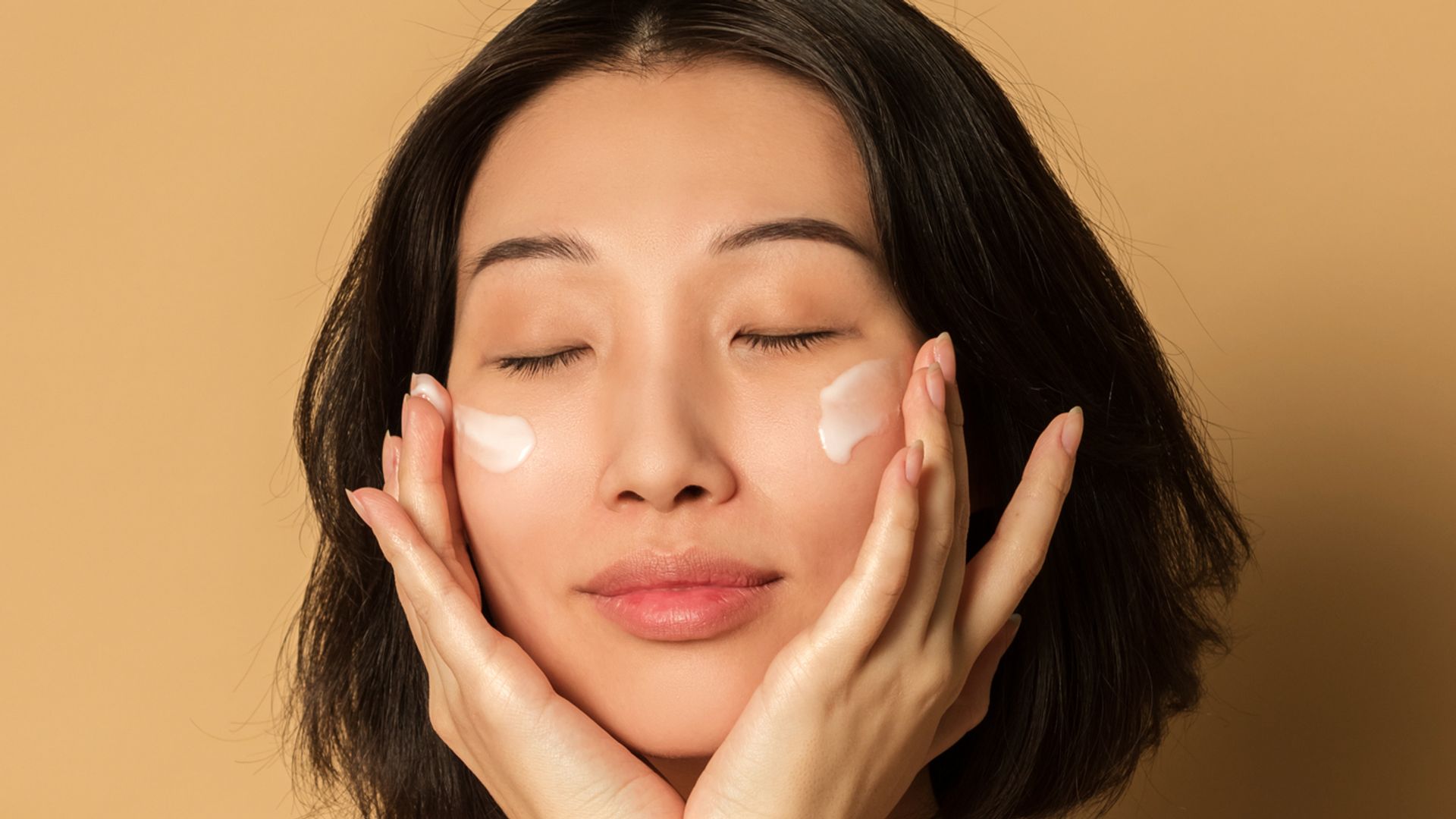
Cloudglow Skin is the defining K-beauty look of 2026, and it is quietly rewriting the rules that the original glass skin trend wrote nearly a decade ago. Where glass skin chased a wet, mirror-flat surface that read almost like glaze on a porcelain doll, cloudglow skin aims for a deeper, dimensional luminosity that appears to rise from inside the face rather than sit on top of it. Korean skincare experts describe it as "glass skin's sophisticated older sister" — softer, more lived-in, and far more flattering on real-world skin tones, ages, and textures.
The shift matters because it pulls K-beauty further away from the surface-perfection era and toward what dermatologists call functional radiance: skin that looks luminous because the barrier is healthy, the microbiome is balanced, and ingredient signaling is working at the cellular level. Below is a complete 2026 guide to cloudglow skin — what it is, the biotech ingredients driving it, the streamlined routine experts now recommend, and how it differs from glass skin and the related bloom skin trend.
What Is Cloudglow Skin? The Soft-Focus Definition
Cloudglow skin is best understood as a finish, not a single product. According to the 2026 K-beauty trend report from Palace Beauty Galleria, cloudglow skin features "soft-focus radiance without obvious dewiness" and "depth of glow that appears to come from beneath the skin." Think of the difference between high-gloss lacquer (glass skin) and the way light hits a perfectly diffused softbox in a studio (cloudglow). The light is everywhere, but it never crystallizes into a hard shine.
Three visual signatures distinguish cloudglow skin from earlier K-beauty looks:
- Dimensional luminosity — light appears to travel through the upper layers of skin rather than bounce off it.
- Diffused texture — pores, fine lines, and slight unevenness are softened, not erased.
- Internal warmth — the glow carries subtle warmth, similar to backlit clouds at sunset, rather than the cool blue-white reflection of classic glass skin.
For readers new to the K-beauty glow taxonomy, our Complete Guide to Glass Skin 2026 covers the original 10-step foundation that cloudglow now builds on and simplifies.
Why K-Beauty Is Moving Past Glass Skin
The retreat from glass skin is partly cultural and partly clinical. On the cultural side, Korean consumers in 2026 are visibly tired of overly produced, filter-coded faces. Idol culture and K-drama leads — including the breakout CEO character whose look we broke down in IU Perfect Crown Makeup 2026 — are increasingly photographed with quiet, soft-lit complexions rather than the hyper-glossy finish of the late 2010s.
On the clinical side, dermatologists have long pointed out that a true glass-skin finish often requires occlusive layering that can backfire on combination, acne-prone, or sensitized skin. Heavy hydrators and reflective primers can trap heat, exacerbate fungal acne, and trigger sebaceous overactivity. Cloudglow skin sidesteps those problems by emphasizing barrier integrity over surface film — the same philosophy that powered the bloom skin movement covered in Bloom Skin 2026.
Intentional Maximalism: The 4 to 5 Step Cloudglow Routine
The most consequential structural change in 2026 K-beauty is the collapse of the famous 10-step routine into what Korean editors now call Intentional Maximalism — four to five strategically chosen products, each engineered to do the work of two or three single-purpose formulas. The result is a cloudglow routine that is shorter, more potent, and far easier to maintain in real life.
A representative morning routine looks like this:
- Gentle pH-balanced cleanser (often a low-foaming gel) to preserve the lipid barrier.
- Multi-active essence-toner hybrid with postbiotic lysates and beta-glucan for barrier signaling and hydration in one step.
- Targeted biotech serum — typically peptides plus a 4th-generation retinoid analog by day, or exosome and PDRN-style actives by night.
- Cushion-textured moisturizer with ceramides and squalane for a soft-focus finish without occlusive shine.
- Mineral or hybrid SPF 50+ with a satin (not dewy) finish.
Evening routines typically swap step three for a regenerative active and step four for a slightly richer barrier cream. For the moisturizer step, our 10 Best Korean Moisturizers 2026 roundup highlights specific cushion-textured formulas that suit the cloudglow finish.
The Biotech Ingredients Powering Cloudglow Skin
Cloudglow skin is fundamentally an ingredient story. The look depends on actives that improve light scattering inside the skin rather than on top of it, which requires healthier corneocytes, denser collagen scaffolding, and a calm inflammatory baseline. Five biotech categories are doing most of the work.
Exosomes for Cellular Signaling
Exosomes are tiny extracellular vesicles that carry messages between cells, and in 2026 they are the headline ingredient of regenerative K-beauty. NBC News reports that dermatologists describe exosomes as functioning "like a full care package that tells skin cells to multiply, produce collagen, reduce inflammation and even protect against oxidative stress." Importantly, dermatologists also caution that exosomes are still under-researched compared to retinol, peptides, and niacinamide — meaning they should complement, not replace, the proven hero ingredients. For a deeper technical breakdown, see our Exosome Skincare 2026 guide.
4th Generation Retinoids
Cloudglow skin needs cell turnover, but without the redness and flaking that derailed many glass-skin attempts. Fourth-generation retinoids — receptor-selective molecules designed to engage the renewal pathway while sparing the inflammation pathway — are increasingly central to 2026 K-beauty launches. They allow nightly use at higher tolerated doses, which translates to the smoother, more diffused light reflection that defines the cloudglow look.
Postbiotic Lysates and Beta-Glucan
Barrier health is the single biggest predictor of whether a face can hold a cloudglow finish, which is why postbiotic lysates (heat-killed bacterial fragments that calm immune signaling) and beta-glucan have become non-negotiable. Beta-glucan in particular has been shown to be roughly 20 percent more hydrating than hyaluronic acid in comparative panels, as we detailed in Beta-Glucan Skincare 2026.
Lab-Grown Vegan Collagen
Precision-fermentation collagen is now available at price points that allow Korean indie brands to formulate it into accessible serums and creams. Unlike marine or bovine collagen, the lab-grown version matches the human Type I sequence, which improves theoretical bioavailability and removes both animal-welfare and allergen concerns.
Fermented Hanbang Botanicals
Ginseng, mugwort, and bamboo sap are being reformulated using precision-fermentation techniques that increase the concentration of small, skin-penetrable molecules. The result is the modernized hanbang category — traditional Korean herbal medicine reengineered for measurable skincare outcomes. Our Mugwort Skincare 2026 deep dive covers the most clinically interesting examples.
Cloudglow Skin vs Glass Skin vs Bloom Skin
Three K-beauty looks now dominate the 2026 conversation, and they are easy to confuse. The simplest way to think about them is as a progression in priorities.
- Glass skin prioritizes surface — a flawless, mirror-like finish achieved through aggressive hydration layering.
- Bloom skin prioritizes barrier — visible health and a soft, healed flush driven by ceramides and barrier-repair actives.
- Cloudglow skin prioritizes internal light — a diffused, dimensional luminosity that signals both barrier health and biotech-driven cellular function.
You can wear cloudglow skin without ever doing a true glass-skin routine. In fact, most 2026 K-beauty editorials suggest that cloudglow is best built on a bloom skin foundation — fix the barrier first, then layer biotech actives that improve how light moves through the skin.
Expert Insights: What Dermatologists Say About the 2026 Shift
Dermatologists interviewed by Cosmetics Business and Beauty Independent have consistently flagged three takeaways for consumers chasing the cloudglow look in 2026. First, prioritize sun protection and barrier repair before adding any biotech "hero" actives — luminosity collapses on damaged skin no matter how expensive the serum. Second, treat exosomes and PDRN as adjuncts, not replacements, for the proven big-five actives (retinol, peptides, vitamin C, ceramides, niacinamide). Third, demand clinical data: 2026 consumers are increasingly being asked to pay premium prices for biotech actives, and reputable brands should be able to show measurable before-and-after evidence rather than influencer testimonials.
For mature skin specifically, our Anti-Aging Korean Skincare Routine 2026 outlines how to adapt the cloudglow framework for skin in the 30s, 40s, and 50s without overloading active ingredients.
You May Also Like
- Bloom Skin 2026: Why K-Beauty's Glass Skin Evolution Is Surging 121%
- Complete Guide to Glass Skin 2026: The 10-Step Korean Skincare Routine
- Exosome Skincare 2026: The Cell-Communication Trend Dermatologists Are Watching
- Beta-Glucan Skincare 2026: Why K-Beauty's Barrier Hero Outperforms Hyaluronic Acid
- 10 Best Korean Moisturizers 2026: Complete K-Beauty Guide
FAQ
Q: Is cloudglow skin the same as glass skin?
A: No. Glass skin emphasizes a wet, mirror-like surface achieved through heavy hydration layering. Cloudglow skin emphasizes diffused, soft-focus luminosity that appears to come from inside the skin. Cloudglow is generally considered more wearable on real-world skin types and ages.
Q: How many steps is the cloudglow skin routine?
A: Four to five steps, in line with the broader 2026 K-beauty shift toward Intentional Maximalism. Typical structure: cleanser, multi-active essence-toner hybrid, biotech serum, cushion moisturizer, and SPF.
Q: Which ingredients are most important for cloudglow skin?
A: Barrier-supporting actives like ceramides, postbiotic lysates, and beta-glucan form the foundation. Biotech actives — exosomes, PDRN, 4th-generation retinoids, lab-grown collagen, and fermented hanbang botanicals — layer on top to improve cellular signaling and internal light scattering.
Q: Can sensitive skin achieve cloudglow skin?
A: Yes, and arguably more easily than glass skin. Because cloudglow relies on barrier health and gentle biotech signaling rather than heavy occlusive layering, sensitive and rosacea-prone skin types often see cleaner, more sustainable results.
Q: Do I need exosome products to get the cloudglow look?
A: No. Dermatologists emphasize that proven actives (retinol, peptides, vitamin C, ceramides, niacinamide) remain the foundation. Exosomes are an optional adjunct for consumers who want the latest biotech signaling, but the cloudglow finish can be achieved without them.
The Bottom Line
Cloudglow skin is the 2026 K-beauty trend most likely to influence how Western consumers think about luminosity for the rest of the decade. It replaces the surface-obsessed glass skin era with something more sustainable: barrier-first formulation, biotech-driven cellular signaling, and a streamlined four-to-five-step routine that fits real life. If you have been intimidated by 10-step Korean routines or burned by glass-skin layering, this is the moment to reset — build the barrier, add measured biotech actives, and let the light do the rest.
Source: Cosmetics Business, Palace Beauty Galleria, HELLO! Magazine, NBC News Select


댓글
댓글 쓰기