Hanbang 2.0 Skincare 2026: How Korean Herbal Medicine Is Getting a High-Tech Makeover
Hanbang 2.0 Skincare 2026: The Ancient Korean Herbal Tradition Reimagined With Cutting-Edge Technology
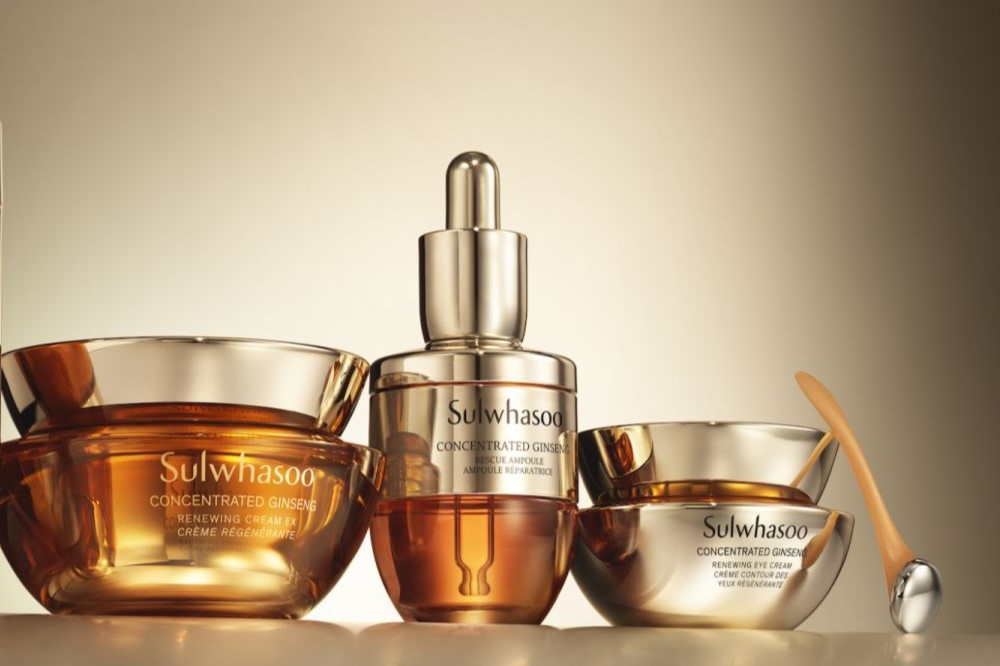
Hanbang skincare — the centuries-old Korean tradition of formulating beauty products with medicinal herbs — is experiencing its most significant transformation in 2026. Once dismissed by younger consumers as old-fashioned or too strongly scented, hanbang skincare has been completely reimagined through biotechnology, nano-encapsulation, and clinical-grade delivery systems. The result is a new generation of K-beauty products that marry 2,000 years of herbal wisdom with laboratory precision, and the global skincare market is paying attention.
This movement, widely referred to as "Hanbang 2.0" within the Korean beauty industry, represents more than a simple ingredient trend. It signals a fundamental shift in how traditional botanical actives — ginseng, mugwort, bamboo sap, and licorice root — are processed, stabilized, and delivered into the skin. For consumers seeking scientifically validated, results-driven skincare that also honors natural heritage, hanbang 2.0 may be the most compelling K-beauty development of the year.
What Is Hanbang and Why Does It Matter in 2026?
Hanbang (한방) refers to traditional Korean medicine, a holistic health system that has been practiced on the Korean peninsula for over two millennia. In skincare, hanbang principles emphasize balance, prevention, and working with the body rather than against it. Core hanbang ingredients include Korean red ginseng (Panax ginseng), mugwort (ssuk), licorice root (gamcho), green tea, lotus, and fermented soybean.

What makes 2026 different from previous hanbang eras is the technology. According to a comprehensive report from K-Trend, advancements in peptide technology, liposomal encapsulation, fermentation science, and clinical-grade concentration methods have transformed what were once folk remedies into sophisticated, measurable skincare formulations. The global beauty industry, particularly K-Beauty, is experiencing a fundamental paradigm shift where 2026 marks the era of "Delivery Technology" — allowing traditional ingredients to penetrate deep into the skin in ways that were previously impossible with simple water-based extracts.
The Science Behind Hanbang 2.0: Nano-Encapsulation Changes Everything
The single biggest technological advancement driving hanbang 2.0 is encapsulation — the process of wrapping active ingredients in microscopic protective shells that remain stable until they reach their target depth in the skin, then release gradually over several hours. This technology solves the historical weakness of botanical skincare: poor bioavailability.
Amorepacific, the parent company of luxury hanbang brand Sulwhasoo, spent five years developing a patented "micro-encapsulation" system that wraps ginsenoside molecules in lipid nanoparticles roughly 100 nanometers in diameter. These particles are small enough to penetrate through the stratum corneum to reach the dermis, where they can actually influence collagen production and cellular repair.
The results are measurable. A 2025 clinical study comparing encapsulated versus non-encapsulated ginseng extract over 8 weeks showed that the encapsulated version delivered 43% greater improvement in skin elasticity and 31% greater improvement in hydration — using the identical ingredient concentration. This is the data that has convinced even skeptical dermatologists that hanbang 2.0 represents genuine scientific progress, not just marketing repackaging.
Korean Red Ginseng: The Crown Jewel of Hanbang Gets Supercharged
Korean red ginseng (Panax ginseng) has been used in traditional Korean medicine for over 2,000 years. Its active compounds — ginsenosides — have been extensively studied and shown to promote collagen synthesis, reduce oxidative stress, and improve skin elasticity. But for decades, skincare formulations could only deliver a fraction of these benefits because ginsenosides degraded rapidly when exposed to air and light, and penetrated poorly through the skin barrier.
In 2026, that limitation has been overcome. Sulwhasoo's Concentrated Ginseng Rejuvenating Cream — their most researched and concentrated offering — now uses micro-encapsulated ginsenosides that maintain stability for months and deliver active compounds directly to the dermal layer. Clinical trials show 96% of users agreed their skin felt smoother after 6 weeks, 93% reported improved elasticity, and 83% noticed diminished wrinkles.
For those seeking more accessible price points, as we explored in our Korean Essence Guide, Beauty of Joseon offers their Revive Serum combining fermented ginseng extract with snail mucin at approximately — delivering meaningful anti-aging and hydrating benefits through traditional hanbang ingredients paired with modern formulation science.
Mugwort (Ssuk): From Bathhouse Steam to Clinical Peptide Complex
Mugwort — known as "ssuk" (쑥) in Korean — is the unsung hero of hanbang skincare. Traditionally used in jjimjilbangs (Korean bathhouses) where bundles of dried mugwort are added to steam rooms for their purifying properties, this herb has powerful anti-inflammatory and antimicrobial compounds including chamazulene and bisabolol that calm irritation and reduce redness.
The hanbang 2.0 evolution of mugwort is particularly exciting. In 2026, brands like Roundlab and Abib are pairing mugwort extract with copper peptides — creating hybrid formulations that combine the soothing, anti-inflammatory action of traditional mugwort with the collagen-stimulating power of modern peptide science. The Roundlab Mugwort Calming Peptide Ampoule, for instance, uses mugwort extract standardized for chamazulene content alongside tripeptide-1 for dual-action skin repair.
This approach mirrors what we have seen in the broader copper peptides skincare trend, where GHK-Cu is being paired with traditional botanicals to amplify both ingredients simultaneously.
Bamboo Sap and Fermented Botanicals: The Next Generation
Beyond ginseng and mugwort, hanbang 2.0 is bringing bamboo sap (juksul) into the spotlight. Bamboo sap — collected from the nodes of mature bamboo during specific seasons — contains natural silica, amino acids, and minerals that support skin barrier function and provide lightweight hydration without heaviness.
What makes the 2026 formulations remarkable is the application of fermentation technology to these traditional ingredients. Korean beauty labs are using Lactobacillus and Saccharomyces fermentation to break down large botanical molecules into smaller, more bioavailable fragments. Fermented bamboo sap delivers minerals and silica at the cellular level, while fermented ginseng produces novel ginsenoside metabolites (like Compound K) that have stronger anti-inflammatory activity than the parent compounds.
This fermentation approach also produces natural postbiotics — metabolic byproducts of beneficial bacteria that strengthen the skin microbiome. Several new hanbang 2.0 products launching in spring 2026 combine fermented traditional ingredients with postbiotic complexes, addressing both the skin barrier and the microbial ecosystem simultaneously.
Key Hanbang 2.0 Brands and Products to Know in 2026
The hanbang 2.0 movement spans from luxury to affordable K-beauty. Here are the standout brands leading this transformation:
Sulwhasoo (Luxury Tier)
Sulwhasoo remains the gold standard for hanbang skincare, with their Concentrated Ginseng line representing over 20 years of ginseng research. Their 2026 reformulation features the patented micro-encapsulation delivery system. The cream has a rich, velvety consistency with a soft gold color and distinctive herbal-medicinal aroma. Price point: approximately -350 USD.
Beauty of Joseon (Affordable Tier)
Started in 2017, Beauty of Joseon has become the gateway brand for hanbang skincare globally. Their Revive Serum: Ginseng + Snail Mucin (), Dynasty Cream (), and Ginseng Essence Water make traditional Korean ingredients accessible. The brand recently launched a Perfect Hanbang Palette, extending their traditional medicine philosophy into color cosmetics.
Roundlab (Mid-Range Innovation)
Roundlab is pioneering the mugwort-peptide hybrid approach with clinically tested formulations that bridge traditional calming ingredients with modern anti-aging actives.
Abib (Minimal Luxury)
Abib focuses on single-hero-ingredient formulations using concentrated mugwort and heartleaf (houttuynia cordata) with advanced extraction methods that maximize potency while maintaining a clean, minimal aesthetic.
How Hanbang 2.0 Differs From Western Botanical Skincare
Western botanical skincare and Korean hanbang 2.0 might appear similar on the surface — both use plant-derived ingredients — but the philosophy and execution differ fundamentally.
Western brands typically isolate a single active compound from a plant and deliver it at high concentrations. Korean hanbang takes a synergistic approach, combining multiple herbal ingredients that work together based on traditional medicine principles of balance. The 2026 innovation is that these synergistic combinations are now being validated through clinical studies, with researchers measuring how ginseng + mugwort + licorice root together produce effects greater than the sum of individual components.
Additionally, hanbang formulations tend to prioritize prevention and long-term skin health over immediate visible results. This aligns with the broader 2026 "skinvestment" trend — consumers viewing their routines as long-term investments in skin health rather than quick-fix solutions. As noted in our coverage of best K-beauty products for 2026, the most popular products now emphasize sustained results over instant gratification.
What Dermatologists Say About Hanbang 2.0
The dermatological community has historically been cautious about traditional medicine claims in skincare. However, the clinical data supporting hanbang 2.0 formulations is changing that stance.
Ginsenosides have peer-reviewed evidence supporting their antioxidant, anti-inflammatory, and collagen-stimulating properties. The 2026 advancement is not the ingredient itself but the delivery technology that finally allows these compounds to reach therapeutically relevant concentrations in the skin.
Dermatologists particularly note that hanbang 2.0 products tend to be well-tolerated even by sensitive skin types, because traditional Korean medicine has always prioritized gentleness and balance. Unlike retinoids or strong chemical exfoliants that can cause irritation flares, ingredients like ginseng, mugwort, and centella work with the skin rather than against it — making them suitable for year-round use without the adjustment period that aggressive actives require.
For those building a comprehensive anti-aging routine, hanbang 2.0 products pair excellently with the peptide-based treatments covered in our best Korean moisturizers guide — the gentle nature of herbal actives means they rarely conflict with other ingredients in a multi-step routine.
How to Incorporate Hanbang 2.0 Into Your Routine
The beauty of hanbang 2.0 products is their versatility. Here is a practical approach to adding Korean herbal skincare into your existing routine:
Step 1: Start with a fermented essence. A ginseng or mugwort essence after cleansing prepares the skin to absorb subsequent products while delivering foundational antioxidant protection. Apply to slightly damp skin for maximum absorption.
Step 2: Layer a targeted serum. Choose based on your primary concern — ginseng for anti-aging and firmness, mugwort for calming and redness reduction, or bamboo sap for hydration and barrier support.
Step 3: Seal with a hanbang cream. A cream containing encapsulated herbal actives creates an occlusive layer that gives time-released ingredients hours to work while you sleep. The rich textures typical of hanbang creams are ideal for evening routines.
Step 4: Weekly intensive treatment. Fermented herbal sheet masks or sleeping packs provide concentrated doses of traditional ingredients. Look for products listing fermented filtrates high on the ingredient list.
FAQ
Q: Is hanbang skincare suitable for sensitive or acne-prone skin?
A: Yes, many hanbang ingredients — particularly mugwort, centella asiatica, and licorice root — are inherently anti-inflammatory and soothing. The traditional Korean medicine philosophy prioritizes gentleness, making most hanbang 2.0 products appropriate for reactive skin types. However, always patch test, particularly with ginseng products that contain higher concentrations of active ginsenosides.
Q: What is the difference between hanbang skincare and regular K-beauty?
A: While all hanbang skincare is K-beauty, not all K-beauty is hanbang. Hanbang specifically refers to products formulated using traditional Korean medicinal herbs and the philosophical framework of balance and prevention. Regular K-beauty may use any ingredients — synthetic, natural, or hybrid — without reference to traditional medicine principles.
Q: How long does it take to see results from hanbang 2.0 products?
A: Thanks to improved delivery technology, 2026 hanbang products show measurable results faster than their predecessors. Clinical studies on encapsulated ginseng formulations show visible improvements in elasticity and hydration within 4-6 weeks. However, the full benefits of barrier strengthening and long-term collagen support develop over 8-12 weeks of consistent use.
Q: Are hanbang products vegan-friendly?
A: Many hanbang 2.0 products are plant-based and vegan-friendly, as the core ingredients (ginseng, mugwort, bamboo sap, licorice root) are all botanical. However, some traditional formulations include animal-derived ingredients like snail mucin or bee venom. Check individual product labels if veganism is a priority.
Q: Can I use hanbang products with retinol or vitamin C?
A: Yes. Hanbang ingredients are generally non-irritating and compatible with Western actives. Ginseng and mugwort can actually help buffer the irritation caused by retinol, making them excellent companion products. Apply hanbang essences before retinol serums to provide a soothing base layer.
You May Also Like
- Korean Essence Guide 2026: What It Is, How to Use It, and 10 Best K-Beauty Essences
- Copper Peptides Skincare 2026: Why GHK-Cu Is the Anti-Aging Ingredient Dermatologists Recommend
- Exosome Skincare 2026: K-Beauty Biotech Breakthrough Explained
The Bottom Line
Hanbang 2.0 represents perhaps the most exciting convergence in skincare today — where thousands of years of empirical herbal knowledge meets 21st-century biotechnology. The nano-encapsulation, fermentation, and peptide-pairing technologies of 2026 have solved the bioavailability problems that previously limited traditional botanical skincare, turning ingredients like ginseng and mugwort into genuinely high-performance actives.
For consumers navigating the overwhelming K-beauty landscape, hanbang 2.0 offers a compelling philosophy: skincare that is simultaneously gentle and effective, rooted in tradition yet validated by modern science. Whether you choose a Beauty of Joseon serum or a Sulwhasoo cream, the underlying innovation — delivering ancient herbal wisdom through cutting-edge delivery systems — remains the same.
As the industry moves away from aggressive actives and toward sustainable, long-term skin health, hanbang 2.0 is perfectly positioned to become the defining K-beauty movement of 2026 and beyond.
Sources: K-Trend | Arktastic | Hello Magazine | Cosmetics Business


댓글
댓글 쓰기