At-Home Beauty Devices 2026: Complete Guide to LED Masks, Microcurrent Tools and AI-Powered Skincare Tech
At-Home Beauty Devices 2026: Complete Guide to LED Masks, Microcurrent Tools and AI-Powered Skincare Tech
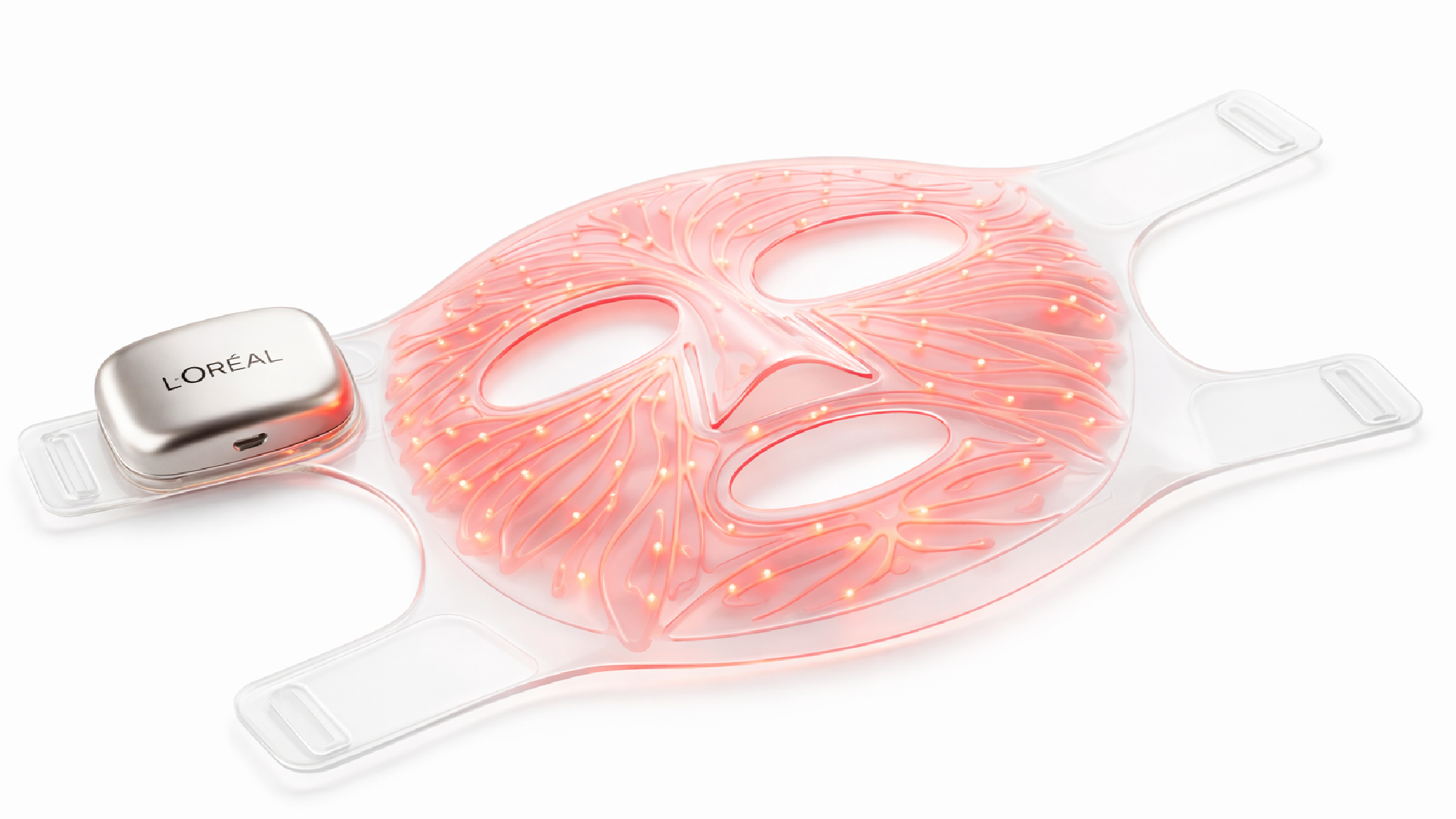
At-home beauty devices are undergoing a dramatic transformation in 2026, with the global market valued at $36.2 billion in 2024 and projected to surge to an astonishing $99.9 billion by 2035. From L'Oréal's groundbreaking LED face mask unveiled at CES 2026 to Medicube's viral 6-in-1 Booster Pro and Amorepacific's AI-powered skin monitoring patches, the landscape of at-home beauty devices has never been more sophisticated, accessible, or effective. Whether you are a skincare enthusiast looking to elevate your routine or simply curious about the beauty tech revolution reshaping the industry, this comprehensive guide covers everything you need to know about the most important at-home beauty devices of 2026.
The Explosive Growth of At-Home Beauty Devices in 2026
The numbers behind the at-home beauty device market tell a compelling story of consumer demand and technological innovation. With a compound annual growth rate (CAGR) of 9.7 percent, the industry is expanding at a pace that reflects a fundamental shift in how consumers approach skincare. The U.S. market alone is projected to grow from $8.1 billion in 2025 to nearly $15 billion by 2032, driven by consumers who want professional-grade results without the professional price tag.
Skincare devices currently dominate the market with a 36.8 percent share, and experts attribute this dominance to three key factors: advances in LED and microcurrent technology that deliver measurable results, the rise of AI-driven personalization that tailors treatments to individual skin needs, and a growing consumer preference for preventative care over corrective treatments. The COVID-19 pandemic accelerated this shift, and the momentum has only intensified as device technology has become more refined and user-friendly.
What makes 2026 particularly significant is the convergence of medical-grade technology with consumer-friendly design. Devices that were once exclusive to dermatology clinics and medical spas are now compact, affordable, and designed for daily home use. This democratization of beauty technology represents one of the most important trends in the skincare industry today.
L'Oréal LED Face Mask: The CES 2026 Showstopper

L'Oréal stole the spotlight at CES 2026 with two Innovation Award-winning beauty devices, and the LED Face Mask is arguably the most anticipated at-home beauty device of the year. Developed in partnership with I-Smart Developments, a global leader in LED device innovation, this ultra-thin, flexible silicone mask delivers targeted light therapy directly to the skin.
The technology behind the mask is where things get genuinely exciting. It integrates a skin-safe microcircuit that precisely controls the emission of two clinically significant wavelengths: red light at 630 nm and near-infrared light at 830 nm. Red light therapy at this wavelength has been extensively studied for its ability to stimulate collagen production and reduce inflammation, while near-infrared light penetrates deeper into tissue to promote cellular repair and regeneration.
Each treatment session is automatically timed at 10 minutes, making it remarkably easy to integrate into a daily skincare routine. Barbara Lavernos, L'Oréal's Deputy CEO for Research and Innovation, emphasized that "beauty is deeply connected to scientific discovery," and this device clearly reflects that philosophy. The LED Face Mask is expected to launch globally in 2027 at a premium price point, though L'Oréal has indicated it will be positioned below the highest-priced offerings currently on the market.
L'Oréal also introduced the Light Straight Multi-Styler at CES 2026, a handheld hair styling tool that uses patented near-infrared light technology to straighten, curl, and style hair at temperatures below 320°F — well below the keratin denaturation threshold. Smart internal sensors powered by machine learning algorithms adapt to user gestures for personalized styling, moving hairstyling from correction into prevention, according to Guive Balooch, L'Oréal's Global VP of Augmented Beauty.
Medicube Age-R Booster Pro: The Viral 6-in-1 Device Dermatologists Actually Recommend
If there is one at-home beauty device that has dominated social media conversations in 2026, it is the Medicube Age-R Booster Pro. This Korean beauty tech powerhouse combines six distinct technologies in a single handheld device: microcurrent stimulation, EMS (electrical muscle stimulation) toning, LED light therapy in multiple wavelengths, vibration massage, electroporation for enhanced product absorption, and Air Shot antibacterial treatment.
What sets the Booster Pro apart from competitors is its multi-modal approach to skincare. The device operates with four primary modes, each targeting specific skin concerns. The Air Shot mode uses blue light to eliminate acne-causing bacteria. Booster mode combines orange light with electroporation technology to drive active ingredients deeper into the skin without compromising the barrier. Microcurrent mode stimulates ATP production to boost collagen and elastin synthesis under green light. And Derma Shot mode uses red light alongside EMS to tone and revive facial muscles.
Board-certified dermatologist Dr. Dendy Engelman has confirmed the device is safe to use with active ingredients like retinol, though she advises monitoring for potential irritation. Dr. Anna Karp has praised the electroporation technology specifically, stating that "the use of booster mode is particularly impressive — it allows deeper penetration without compromising the skin barrier." After a full year of daily use, reviewers consistently report lasting improvements in pore size, acne scarring, and overall complexion quality.
At approximately $220, the Medicube Age-R Booster Pro represents a significant investment, but the combination of six technologies that would otherwise require separate devices makes it one of the most cost-effective at-home beauty devices available in 2026.
Amorepacific Skinsight: The Future of AI-Powered Skin Monitoring
While LED masks and microcurrent tools address treatment, Amorepacific's Skinsight takes a fundamentally different approach to at-home beauty devices by focusing on continuous monitoring and prevention. Unveiled alongside L'Oréal's innovations at CES 2026, Skinsight represents the next generation of wearable beauty technology.
The system uses wearable monitoring patches with integrated app connectivity to track skin metrics throughout the day. These patches continuously monitor hydration levels, UV exposure, and skin recovery status, feeding data into algorithms that generate personalized skincare recommendations. The shift from reactive skincare — treating problems after they appear — to preventative care based on real-time data represents perhaps the most significant philosophical change in how consumers will approach their skincare routines.
This data-driven approach aligns with the broader 2026 beauty trend of "skinvestment," where consumers view their skincare routines as long-term investments in skin health rather than quick cosmetic fixes. By providing objective, continuous data about skin condition, Skinsight helps users make evidence-based decisions about which products and treatments to use, when to use them, and how their skin responds over time.
Microcurrent Devices: What Actually Works in 2026
Microcurrent technology has matured considerably in 2026, with devices becoming more compact, user-friendly, and scientifically validated. These at-home beauty devices deliver low-level electrical currents that mimic the body's natural bioelectrical currents, stimulating facial muscles and promoting cellular activity.
The key benefits that consistent users report include visible lifting and contouring effects, firmer skin texture, reduced appearance of fine lines, and improved muscle tone. Experts recommend using microcurrent devices three to five times per week for optimal results, with most users beginning to see noticeable improvements after four to six weeks of consistent use.
The 2026 generation of microcurrent devices has moved beyond simple current delivery. Many now feature multi-technology integrations, combining microcurrent with LED light therapy, nanocurrent modes for more delicate areas, and app-based customization that adjusts treatment intensity based on the user's skin type and concerns. These improvements have made microcurrent devices faster, safer, and more effective than ever before, with treatment sessions typically lasting just five to ten minutes.
LED Light Therapy: Understanding the Science Behind the Glow
LED (light-emitting diode) therapy has become the cornerstone technology of at-home beauty devices in 2026, and understanding why requires a brief look at the science. Different wavelengths of light penetrate the skin to different depths and trigger different biological responses.
Red light (620-700 nm) stimulates fibroblast activity and collagen synthesis, making it the go-to wavelength for anti-aging treatments. Near-infrared light (700-1100 nm) penetrates even deeper, promoting wound healing and reducing inflammation at the cellular level. Blue light (400-495 nm) targets Propionibacterium acnes, the bacteria responsible for inflammatory acne, making blue LED devices effective for breakout-prone skin. Yellow and green wavelengths address hyperpigmentation and redness, respectively.
The critical distinction between effective LED devices and marketing gimmicks lies in two factors: wavelength specificity and irradiance (the amount of light energy delivered per unit area). Clinical-grade results require precise wavelengths and sufficient power density, which is why devices from established brands like L'Oréal, Medicube, and CurrentBody consistently outperform cheaper alternatives that may use incorrect wavelengths or insufficient power output.
What Dermatologists Want You to Know About At-Home Beauty Devices
While the at-home beauty device market is booming, dermatologists urge consumers to approach these tools with informed expectations. Here are the key points experts consistently emphasize for anyone considering investing in beauty tech devices in 2026:
First, consistency matters more than intensity. Using a quality device regularly — even for just 5 to 10 minutes daily — will yield far better results than sporadic, extended sessions. This is why devices with automatically timed sessions, like L'Oréal's LED Face Mask, are particularly well-designed for real-world use.
Second, at-home devices complement professional treatments but do not replace them. The best results come from combining professional in-office procedures with consistent at-home maintenance. Think of at-home beauty devices as the daily exercise equivalent — professional treatments are the personal training sessions that accelerate results.
Third, not all devices are created equal. Look for products that specify exact wavelengths, have clinical data supporting their claims, and come from brands with dermatological research backing. FDA clearance, while not a guarantee of efficacy, provides an additional layer of safety assurance.
Finally, proper skincare layering with devices can amplify results significantly. Electroporation technology, like that found in the Medicube Booster Pro, works specifically by creating temporary micro-channels that allow active ingredients to penetrate more deeply. Using the right serums and treatments in conjunction with these devices can dramatically improve outcomes.
The Sustainability Factor: Reusable Tech vs. Disposable Products
An often-overlooked advantage of the at-home beauty device trend is its environmental impact. In an industry historically dependent on single-use packaging and disposable products, reusable beauty devices represent a meaningful shift toward sustainability. A single LED mask or microcurrent device can replace hundreds of single-use sheet masks, reducing both waste and long-term costs for consumers.
Modern devices are designed with durability in mind, using medical-grade silicone, antimicrobial materials, and rechargeable batteries that minimize environmental impact. Brands like LUNAESCENT are leading this charge with platinum-grade silicone applicators designed for years of daily use, and the broader market is following suit with increasingly sustainable design principles. For the eco-conscious beauty consumer, investing in quality at-home devices aligns personal skincare goals with environmental responsibility.
FAQ
Q: What are the best at-home beauty devices in 2026?
A: The top at-home beauty devices in 2026 include the L'Oréal LED Face Mask (launching 2027), Medicube Age-R Booster Pro ($220, available now), and Amorepacific Skinsight wearable patches. For LED therapy, CurrentBody and Dr. Dennis Gross remain top choices, while ZIIP HALO leads in the premium microcurrent category.
Q: Are LED face masks safe to use every day?
A: Yes, LED face masks using clinically validated wavelengths (red at 630 nm, near-infrared at 830 nm) are generally safe for daily use. Most devices feature built-in timers that automatically limit sessions to 10 minutes. However, individuals with photosensitivity conditions or those taking photosensitizing medications should consult a dermatologist before use.
Q: Do microcurrent devices really work for face lifting?
A: Microcurrent devices can produce visible lifting and toning effects with consistent use of 3-5 times per week over 4-6 weeks. Board-certified dermatologists acknowledge that microcurrent stimulates ATP production, which supports collagen and elastin synthesis. Results are cumulative and maintenance-dependent — stopping use will gradually reverse the effects.
Q: How much should I spend on an at-home beauty device?
A: Quality at-home beauty devices typically range from $150 to $600. Multi-function devices like the Medicube Booster Pro ($220) offer excellent value by combining multiple technologies. When evaluating cost, consider the long-term savings compared to professional treatments, which can cost $200-500 per session.
Q: Can at-home beauty devices replace professional skincare treatments?
A: At-home beauty devices complement professional treatments but do not fully replace them. Professional devices use higher energy levels and are operated by trained practitioners who can address specific concerns more aggressively. The best approach is combining regular at-home device use for maintenance with periodic professional treatments for more intensive results.
The Bottom Line
At-home beauty devices in 2026 have reached an inflection point where the technology is sophisticated enough to deliver meaningful, visible results while remaining safe and accessible for everyday consumers. Whether you choose the precision of L'Oréal's LED Face Mask, the versatility of Medicube's Booster Pro, or the data-driven approach of Amorepacific's Skinsight, the key is consistency and informed use. As the market continues its trajectory toward $100 billion, one thing is clear: the future of skincare is increasingly in your hands — literally. For more on how technology is reshaping the beauty industry, check out our coverage of Beauty Tech at CES 2026: Samsung AI Mirror and MIT Skin Sensors.
Sources: BeautyMatter | Engadget | Tom's Guide | LUNAESCENT | CNN Underscored


댓글
댓글 쓰기