Beauty Tech CES 2026: Samsung AI Mirror, MIT Skin Sensors
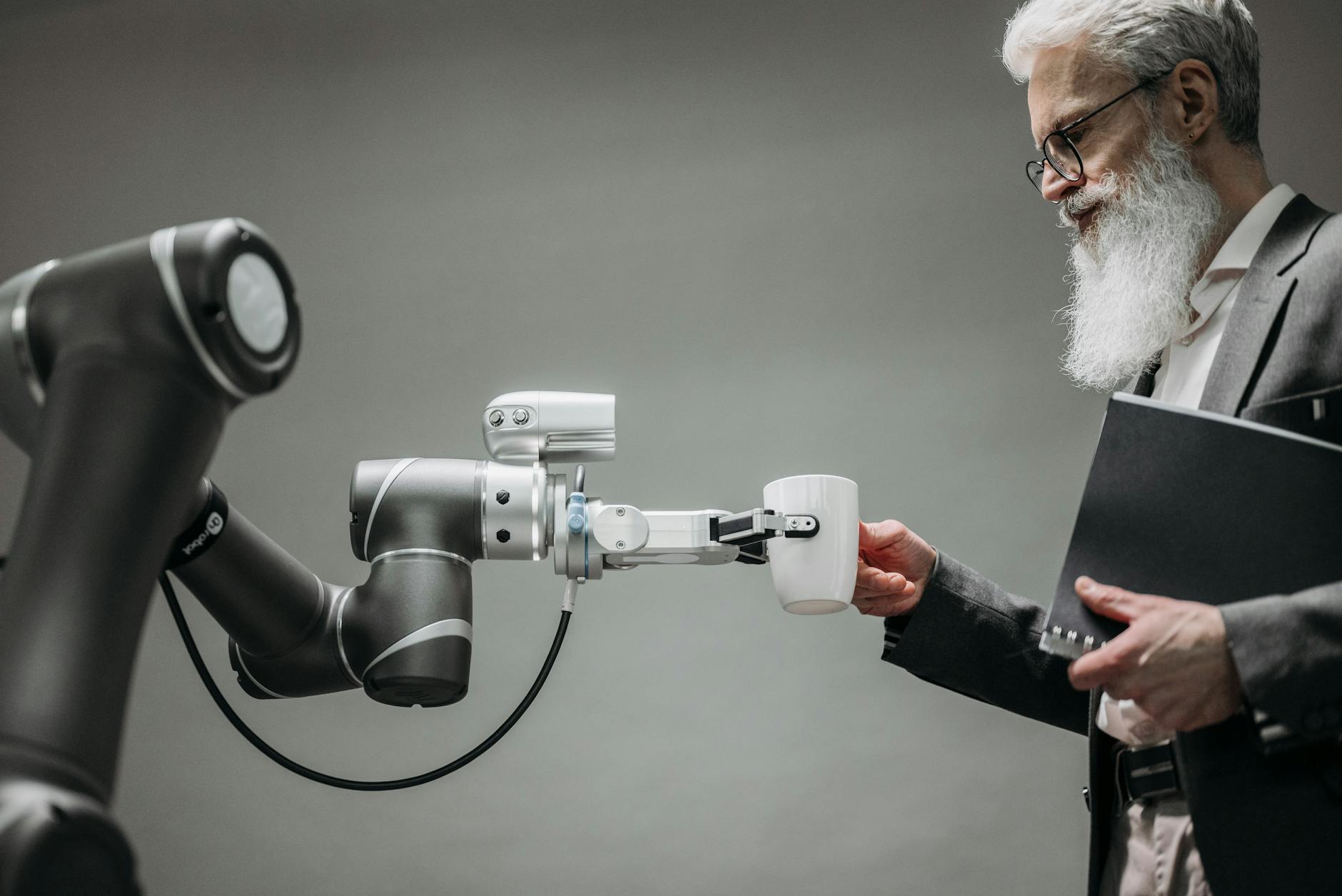
Photo: Pexels
Beauty Tech CES 2026: How Samsung's AI Mirror, MIT Skin Sensors, and AI-Driven Innovation Are Transforming Skincare
Beauty tech at CES 2026 stole the show this year, confirming that the future of skincare is not just about what you put on your face — it is about how technology understands, monitors, and optimizes your skin in real time. The Consumer Electronics Show in Las Vegas showcased groundbreaking innovations including Samsung's AI Beauty Mirror (capable of comprehensive skin analysis in 30 seconds), MIT's Skinsight electronic skin sensors (predicting skin aging before it becomes visible), and Amorepacific's suite of AI-powered beauty technologies. Beauty tech at CES 2026 demonstrated that the convergence of artificial intelligence, wearable sensors, LED therapy, and personalized diagnostics is creating a new category of skincare that is as much about technology as it is about ingredients.
Samsung AI Beauty Mirror: 30-Second Skin Analysis
The headline beauty tech moment at CES 2026 was Samsung's AI Beauty Mirror, developed in partnership with Korean beauty giant Amorepacific. This is not a traditional mirror with a digital display — it is a sophisticated diagnostic device disguised as a bathroom fixture. Using camera-based optical diagnostics, the AI Beauty Mirror precisely assesses four critical skin parameters: pore condition, redness levels, pigmentation patterns, and wrinkle depth.
What makes the Samsung AI Beauty Mirror revolutionary is the scale of its training data. The system's recommendations are based on a dataset of over 450,000 skin analysis cases, allowing it to compare your skin condition against a massive reference population and identify both current issues and emerging concerns. In approximately 30 seconds, the mirror generates a comprehensive skin assessment and recommends personalized skincare solutions tailored to your specific conditions.
The implications for daily skincare routines are significant. Rather than following a generic routine or relying on subjective self-assessment, consumers using the Samsung AI Beauty Mirror could receive daily updates on their skin's changing needs — adjusting product selection based on environmental factors, stress levels, hormonal cycles, and the cumulative effect of their current routine. This technology embodies the skinvestment philosophy by providing data-driven guidance for long-term skin health investment.
Samsung displayed the AI Beauty Mirror at its exclusive exhibit at the Wynn and Encore in Las Vegas, integrating it with the broader Samsung SmartThings ecosystem. The vision is a bathroom where your mirror analyzes your skin, recommends products, and even communicates with connected beauty devices to deliver customized treatments.
MIT Skinsight: Electronic Skin That Predicts Aging
Perhaps the most scientifically ambitious beauty tech at CES 2026 was Skinsight, a next-generation "electronic skin" platform co-developed by Amorepacific and researchers from the Massachusetts Institute of Technology (MIT). Skinsight represents a fundamentally new approach to skincare: rather than reacting to visible skin aging after it appears, the technology predicts aging at the cellular level before it becomes visible to the naked eye.
The Skinsight platform consists of a flexible sensor patch that adheres to the skin and simultaneously measures multiple aging factors influenced by the exposome (the totality of environmental exposures throughout life) and lifestyle habits. The sensor captures real-time data on skin elasticity, hydration levels, oxidative stress markers, barrier function, and inflammatory indicators. This multi-parameter data is then processed by AI algorithms that identify patterns associated with accelerated or decelerated aging.
The practical application is powerful: imagine knowing that your current routine, diet, or environmental exposure is accelerating skin aging weeks or months before any visible changes appear. Skinsight enables truly preventive skincare — intervening at the earliest possible stage rather than treating damage after the fact. For consumers who embrace the skinvestment approach, this predictive capability is the ultimate tool for protecting their long-term skin health investment.
The MIT collaboration adds exceptional scientific credibility to the technology. The sensor materials and AI algorithms are drawn from MIT's extensive research in wearable electronics and biomedical sensing, positioning Skinsight as a bridge between medical-grade diagnostics and consumer beauty technology.
Amorepacific: The Driving Force Behind Beauty Tech at CES 2026
Amorepacific, South Korea's largest beauty conglomerate (parent company of Sulwhasoo, Laneige, Innisfree, and Etude House), emerged as the dominant beauty tech presence at CES 2026. The company's showcase demonstrated its strategy of integrating AI, hardware, and skincare expertise to create a connected beauty ecosystem.
Beyond the Samsung AI Mirror and Skinsight sensor, Amorepacific presented several additional innovations. The makeON ONFACE LED Mask, equipped with 3,770 micro red LEDs, uses the skin analysis data from the AI Mirror and Skinsight platforms to deliver customized light therapy treatments. Red LED light therapy at 630-660nm wavelength has been clinically demonstrated to stimulate collagen production, reduce inflammation, and accelerate wound healing — and the ONFACE mask delivers these wavelengths in a targeted pattern based on each user's specific skin analysis.
The Skin Light Therapy 3S was also showcased as a daily-use personalized skincare device, designed for shorter treatment sessions that offer immediate improvements in skin condition. Together, these devices create a feedback loop: analyze (AI Mirror) -> predict (Skinsight) -> treat (LED devices) -> reassess (AI Mirror), creating a continuously optimizing skincare system.
Amorepacific's CES 2026 presence is particularly significant because it represents a K-beauty company investing at the intersection of technology and skincare at a scale typically associated with Silicon Valley tech firms. This reinforces K-beauty's position as the global leader in skincare innovation, extending from clinical ingredients like PDRN and exosomes to cutting-edge hardware and AI.
AI and Smart Skincare: Broader Industry Trends at CES 2026
Beauty tech at CES 2026 extended well beyond the Samsung-Amorepacific partnership. The broader show floor revealed an industry-wide commitment to AI-powered beauty:
AI Skin Analysis Apps: Multiple companies demonstrated smartphone-based skin analysis using phone cameras and AI algorithms. While less precise than dedicated hardware like Samsung's AI Mirror, these apps make basic skin analysis accessible to anyone with a smartphone.
Personalized Product Dispensing: Several exhibitors showed machines that mix custom skincare formulations on-demand based on AI skin analysis. These systems could eventually allow consumers to receive personalized serums or moisturizers mixed fresh at retail locations.
Smart Packaging: NFC-enabled and sensor-equipped product packaging that communicates with smartphones was a recurring theme. Potential applications include tracking product freshness, providing usage reminders, and reordering products automatically when supplies run low.
At-Home Device Evolution: LED masks, microcurrent devices, radiofrequency tools, and ultrasonic cleansing devices were all represented, with most incorporating some form of AI or connected functionality. The trend is clear: stand-alone beauty devices are becoming connected, intelligent components of integrated beauty systems.
The Implications for Consumer Skincare Routines
Beauty tech at CES 2026 paints a picture of a near future where skincare routines are fundamentally different from today's intuition-based approach. The combination of diagnostic technology (AI mirrors, skin sensors), predictive analytics (aging prediction, environmental exposure tracking), and automated treatment (LED devices, customized product dispensing) creates a skincare experience that is:
Data-Driven: Decisions about products and treatments are based on objective measurements rather than subjective assessment or marketing claims.
Predictive: Rather than reacting to problems after they appear, technology enables prevention and early intervention.
Personalized: One-size-fits-all routines are replaced by recommendations tailored to individual biology, environment, and lifestyle.
Continuously Optimizing: Regular skin analysis creates feedback loops that allow routines to adapt over time, responding to seasonal changes, hormonal shifts, and aging.
This technological evolution supports the High Rise Skin philosophy of building strong foundations, as AI analysis can identify precisely which foundational elements of your skin need attention.
Privacy and Accessibility Considerations
The beauty tech revolution showcased at CES 2026 raises important questions about privacy and accessibility. AI skin analysis systems collect sensitive biometric data — facial images, skin condition information, health indicators. How this data is stored, shared, and protected is a critical concern that the industry must address transparently.
Accessibility is another consideration. Premium beauty tech devices are initially expensive, potentially creating a divide between consumers who can afford data-driven skincare and those who cannot. However, the trajectory of technology pricing suggests that costs will decrease significantly as these products scale, and smartphone-based alternatives may democratize access to basic AI skin analysis within the next few years.
When Will CES 2026 Beauty Tech Be Available to Consumers?
Most CES innovations take 12-24 months to reach consumer markets. The Samsung AI Beauty Mirror is expected to be available as part of Samsung's smart home ecosystem in late 2026 or early 2027. Skinsight sensor patches may initially be available through dermatology clinics and premium beauty retailers before consumer-grade versions follow. Amorepacific's LED devices are closer to market, with some already available in Korea and expected to launch globally throughout 2026.
Frequently Asked Questions About Beauty Tech at CES 2026
Q: What is Samsung's AI Beauty Mirror shown at CES 2026?
A: Samsung's AI Beauty Mirror, developed with Amorepacific, is a smart mirror that uses camera-based optical diagnostics to analyze pore condition, redness, pigmentation, and wrinkles in approximately 30 seconds. It draws from a dataset of 450,000+ skin analysis cases to provide personalized skincare recommendations.
Q: What is the MIT Skinsight skin sensor?
A: Skinsight is an electronic skin platform co-developed by Amorepacific and MIT researchers. It uses a flexible sensor patch that measures multiple skin aging factors in real time, predicting aging before it becomes visible. AI technology processes the data to deliver customized care recommendations based on individual exposome and lifestyle factors.
Q: When will CES 2026 beauty tech products be available to buy?
A: Most CES beauty tech innovations take 12-24 months to reach consumer markets. LED devices from Amorepacific's makeON line are closest to availability. The Samsung AI Beauty Mirror is expected in late 2026 or early 2027. Skinsight sensors may initially launch through dermatology clinics before consumer versions follow.
Q: How does AI skin analysis work in beauty technology?
A: AI skin analysis uses cameras or sensors to capture detailed images or measurements of the skin. Machine learning algorithms, trained on hundreds of thousands of skin samples, analyze these inputs to identify conditions like dehydration, inflammation, hyperpigmentation, and wrinkle depth. The AI then compares results against reference data to provide personalized recommendations.
Q: Will AI replace dermatologists for skin analysis?
A: AI beauty tech is designed to complement, not replace, professional dermatology. Consumer-grade AI analysis can monitor daily skin changes, optimize routines, and flag potential concerns for professional evaluation. However, medical diagnosis and treatment recommendations should always involve qualified dermatologists. The technology is best viewed as a powerful self-care tool that enhances your relationship with professional skincare providers.
Sources: Amorepacific, Personal Care Insights, GlowMask Hub, Cosmetics Design Europe, PR Newswire


댓글
댓글 쓰기