Tranexamic Acid for Skin 2026: The Dermatologist-Backed Ingredient That Fades Dark Spots Fast
Tranexamic Acid for Skin 2026: The Dermatologist-Backed Ingredient That Fades Dark Spots Fast
Tranexamic acid is rapidly becoming one of the most talked-about skincare ingredients of 2026, with dermatologists across the globe calling it a game-changer for anyone struggling with dark spots, melasma, and uneven skin tone. Originally developed as a synthetic derivative of the amino acid lysine to treat excessive bleeding, tranexamic acid has crossed over into dermatology where it is now recognized as a first-line treatment for mild melasma and a powerhouse brightening agent that works for all skin types, including sensitive skin.
In a year when the skincare industry is shifting decisively toward ingredient transparency, clinical efficacy, and long-term skin health, tranexamic acid stands out as an ingredient that delivers on its promises. Unlike some trending actives that generate more hype than results, this compound has a growing body of peer-reviewed research supporting its ability to reduce melanin synthesis, calm inflammation, and restore a more uniform complexion without the harsh side effects associated with older brightening agents like hydroquinone.
How Tranexamic Acid Works: The Science Behind the Brightening
Understanding why tranexamic acid is so effective requires a look at the biological mechanism driving hyperpigmentation. When skin is exposed to UV radiation, hormonal changes, or inflammation, it triggers a cascade of signals that ultimately tell melanocytes — the pigment-producing cells — to ramp up melanin production. This is where dark spots, melasma patches, and post-inflammatory hyperpigmentation come from.
Tranexamic acid works by inhibiting the plasminogen-plasmin pathway, which plays a critical role in this melanin production cascade. By blocking this pathway, it reduces the production of prostaglandins and melanocyte-stimulating hormones that are directly responsible for telling melanocytes to produce excess pigment. The result is a measurable decrease in melanin synthesis that leads to visible fading of dark spots and a more even skin tone over time.
What makes tranexamic acid particularly appealing to dermatologists is its multi-pronged approach. Beyond simply blocking melanin, it also has anti-inflammatory and anti-angiogenic properties. This means it calms the redness and irritation that often accompany hyperpigmentation conditions, while also reducing the formation of new blood vessels that can contribute to the redness seen in conditions like rosacea and post-acne marks. As Dr. Anna Chacon, a board-certified dermatologist in Miami, explains, tranexamic acid "has anti-inflammatory benefits and can help calm and soothe skin, which makes it beneficial for individuals with sensitive or reactive skin."
Why Dermatologists Are Calling It Underutilized in 2026
Despite its impressive clinical profile, tranexamic acid remains surprisingly under the radar compared to ingredients like retinol, vitamin C, and niacinamide. Dr. Ophelia Veraitch, a leading UK-based dermatologist featured in Refinery29's 2026 skincare forecast, describes it as "one of the most effective and underutilized ingredients for treating pigmentation." She recommends it specifically for addressing melasma, post-inflammatory marks, and uneven skin tone, noting its ability to calm inflammation as an added bonus.
Dr. Anne Truitt, a board-certified dermatologist in San Diego, goes even further, stating that "topical tranexamic acid is considered a first-line treatment for mild melasma." This is significant because melasma is notoriously difficult to treat and often recurs even after successful clearing. Traditional treatments like hydroquinone, while effective, come with concerns about long-term use, including potential ochronosis (a bluish-gray discoloration) and rebound hyperpigmentation.
Tranexamic acid offers a gentler alternative with fewer side effects. It is safe for long-term use in topical applications, making it ideal for the maintenance phase of melasma management — something that hydroquinone cycling cannot easily achieve. Clinical studies have shown statistically significant results, with one study demonstrating a 13% reduction in color intensity and a 6% reduction in the size of dark spots after just eight weeks of consistent topical treatment.
The Best Tranexamic Acid Products for Every Budget in 2026
One of the most exciting developments in the tranexamic acid space is the wide range of products now available at every price point. Dr. Brendan Camp, a dermatologist at MDCS Dermatology in New York City, recommends looking for products that "contain between 2% and 5% of this ingredient" for optimal efficacy. Here are the standout formulations that dermatologists are recommending in 2026:
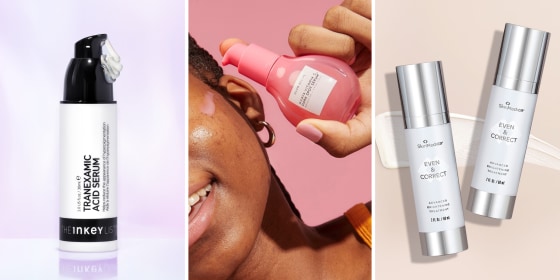
For budget-conscious shoppers, Good Molecules Discoloration Correcting Serum at just $12 delivers 3% tranexamic acid combined with 4% niacinamide, and has earned an impressive 4.4-star rating from over 13,900 reviews. Similarly, The Inkey List Tranexamic Acid Serum at $18 offers a concentrated 2% formula that has become a cult favorite for its no-frills effectiveness.
At the mid-range, Paula's Choice Discoloration Repair Serum at $55 pairs 3% tranexamic acid with bakuchiol, a plant-based retinol alternative, delivering both brightening and anti-aging benefits in one product. Naturium Tranexamic Topical Acid 5% at $20 offers the highest concentration among popular serums, making it an excellent value for those seeking maximum potency.
For those willing to invest in premium formulations, SkinCeuticals Discoloration Defense at $115 combines 3% tranexamic acid with kojic acid and niacinamide in a lightweight formula that dermatologists frequently recommend for stubborn melasma cases. At the top tier, SkinMedica Even and Correct Advanced Brightening Treatment at $178 features lotus sprout extract alongside tranexamic acid and niacinamide for a comprehensive approach to brightening.
How to Incorporate Tranexamic Acid Into Your Routine
The good news about tranexamic acid is that it plays well with most other skincare actives, making it relatively easy to add to an existing routine. Dermatologists recommend applying tranexamic acid serum after cleansing and toning, but before heavier products like moisturizers and sunscreen. This ensures maximum penetration of the active ingredient into the skin.
For best results, consistency is key. While some users report visible improvement within a few weeks, most dermatologists recommend committing to at least eight to twelve weeks of twice-daily use before evaluating results. This timeline aligns with the skin's natural turnover cycle and allows the ingredient sufficient time to interrupt the melanin production pathway meaningfully.
One critical consideration: tranexamic acid can increase photosensitivity, making daily broad-spectrum sunscreen application absolutely non-negotiable. Without adequate sun protection, any brightening gains can be quickly reversed by UV-triggered melanin production. As the skincare industry's 2026 mantra of skin longevity and prevention emphasizes, sunscreen is the foundation upon which all other skincare benefits are built.
Tranexamic acid pairs particularly well with vitamin C for enhanced brightening, niacinamide for barrier support and additional dark spot correction, and beta-glucan for barrier repair. However, caution is advised when combining it with strong chemical exfoliants like high-concentration glycolic or salicylic acid, as over-exfoliation can compromise the skin barrier and worsen pigmentation issues.
Tranexamic Acid vs. Other Brightening Ingredients: How It Compares
The skincare market in 2026 is not short on brightening options, so understanding how tranexamic acid compares to other popular choices is essential for making informed decisions.
Compared to hydroquinone, long considered the gold standard for hyperpigmentation, tranexamic acid is safer for long-term use and does not carry the risk of ochronosis or rebound hyperpigmentation. However, hydroquinone remains more potent for severe cases, making tranexamic acid a better fit for mild to moderate hyperpigmentation and long-term maintenance protocols.
Against vitamin C, another popular brightening agent, tranexamic acid works through a completely different mechanism. While vitamin C acts as an antioxidant that interrupts melanin production at the tyrosinase level, tranexamic acid blocks the upstream plasminogen pathway. This complementary action is precisely why many dermatologists recommend using both ingredients together for maximum brightening impact.
Compared to retinol, which promotes cell turnover to reveal brighter skin underneath, tranexamic acid is significantly gentler and does not cause the flaking, dryness, and irritation commonly associated with retinoid use. For individuals with sensitive skin, rosacea, or those who cannot tolerate retinoids, tranexamic acid offers a viable alternative pathway to clearer, more even-toned skin.
In the K-beauty space, where medicosmetic ingredients like PDRN and exosomes are reshaping product development, tranexamic acid is increasingly being incorporated into advanced formulations that combine multiple clinical actives for synergistic effects.
What Dermatologists Say About Combining Tranexamic Acid With Professional Treatments
Beyond topical application, tranexamic acid is also gaining traction in professional dermatology settings. It can be combined with chemical peels for enhanced pigment reduction, and several clinics are now pairing it with Morpheus8 radiofrequency microneedling treatments for a dual approach that addresses both surface-level discoloration and deeper structural changes in the skin.
Dr. Zein Obagi, founder of ZO Skin Health, captures the broader industry direction when he states that "the future of skincare belongs to clinically proven products and protocols that correct, normalize and maintain skin health." Tranexamic acid fits squarely within this philosophy — it is not a trend-driven ingredient but a clinically validated compound with a clear mechanism of action and reproducible results.
For patients with more severe hyperpigmentation concerns, dermatologists may recommend a combination protocol that includes topical tranexamic acid alongside professional treatments and complementary actives. This layered approach reflects the broader 2026 trend toward evidence-based, dermatologist-guided skincare rather than self-directed product stacking.
Who Should (and Shouldn't) Use Tranexamic Acid
The beauty of tranexamic acid lies in its broad suitability. It is considered safe for all skin types, including Fitzpatrick skin types IV through VI, which are often most affected by hyperpigmentation but also most at risk for adverse reactions from aggressive treatments. Its anti-inflammatory properties make it particularly well-suited for individuals with sensitive or reactive skin who have struggled with other brightening agents.
Ideal candidates for tranexamic acid include individuals dealing with melasma (particularly hormonal melasma triggered by pregnancy or birth control), post-inflammatory hyperpigmentation from acne, sun damage spots, and general uneven skin tone. It is also suitable for those looking for a preventive approach to pigmentation — applying it consistently can help prevent new dark spots from forming, aligning perfectly with the 2026 emphasis on proactive skincare and skin longevity.
Those who should exercise caution include individuals with known allergies to lysine derivatives and those taking anticoagulant medications, as tranexamic acid's mechanism of action involves the clotting pathway. While topical application carries minimal systemic absorption risk, a conversation with a healthcare provider is prudent for anyone on blood-thinning medications.
Frequently Asked Questions About Tranexamic Acid
Q: How long does tranexamic acid take to fade dark spots?
A: Most dermatologists recommend at least 8 to 12 weeks of consistent twice-daily application before evaluating results. Some users notice improvement in as few as 4 weeks, but significant fading of established dark spots typically requires the full 8-12 week timeframe. Results can vary based on the severity of hyperpigmentation and individual skin response.
Q: Can you use tranexamic acid with retinol at the same time?
A: Yes, tranexamic acid is generally compatible with retinol. Many dermatologists recommend using tranexamic acid in the morning (followed by sunscreen) and retinol at night to maximize the benefits of both ingredients without overloading the skin. If you have sensitive skin, introduce them one at a time to monitor tolerance.
Q: Is tranexamic acid safe for dark skin tones?
A: Absolutely. Tranexamic acid is considered safe for all skin types, including darker Fitzpatrick skin types (IV-VI). In fact, it is particularly beneficial for darker skin tones because it provides effective brightening without the risk of post-inflammatory hypopigmentation that can occur with more aggressive treatments like hydroquinone or chemical peels.
Q: What concentration of tranexamic acid should I look for in skincare products?
A: Dr. Brendan Camp of MDCS Dermatology recommends looking for products containing between 2% and 5% tranexamic acid. Concentrations below 2% may not deliver meaningful results, while most over-the-counter formulations cap at 5%. Higher concentrations are typically reserved for professional treatments.
Q: Can tranexamic acid replace hydroquinone for melasma treatment?
A: For mild to moderate melasma, tranexamic acid can serve as an effective alternative to hydroquinone with fewer side effects and suitability for long-term use. However, for severe melasma, dermatologists may still recommend hydroquinone for initial intensive treatment, transitioning to tranexamic acid for maintenance. Consult a dermatologist to determine the best approach for your specific case.
The Bottom Line
Tranexamic acid represents exactly the kind of ingredient that defines smart skincare in 2026: clinically validated, dermatologist-endorsed, suitable for virtually all skin types, and effective without being harsh. As the industry continues to move away from hype-driven trends toward evidence-based formulations, this once-underutilized ingredient is finally getting the recognition it deserves.
Whether you are dealing with stubborn melasma, fading post-acne marks, or simply looking to brighten and even out your complexion, tranexamic acid belongs on your radar. With options available from under $12 to over $170, there is a formulation for every budget — and with the backing of leading dermatologists worldwide, you can trust that this is one ingredient trend built on science rather than social media hype.
Start with a product in the 2-3% concentration range, commit to consistent use alongside daily sunscreen, and give it the full 8-12 weeks before judging results. Your future, more radiant complexion will thank you.
Sources: NBC Select | Refinery29 | Dr. Janet Vafaie, MD | Beauty Independent


댓글
댓글 쓰기