PDRN Skincare 2026: How Salmon DNA Became K-Beauty's Hottest Anti-Aging Ingredient
PDRN Skincare 2026: How Salmon DNA Became K-Beauty's Hottest Anti-Aging Ingredient

PDRN skincare has taken the beauty world by storm in 2026, with polydeoxyribonucleotide — a bio-regenerative compound derived from salmon DNA — making the historic leap from exclusive dermatology clinics to everyday K-beauty routines. Once reserved for injectable treatments administered by board-certified dermatologists, PDRN is now the cornerstone ingredient in serums, creams, masks, and ampoules from Korea's most innovative beauty brands. As South Korea's cosmetics exports surpassed France to reach a record US$11.43 billion in 2025, PDRN stands at the forefront of the next wave of regenerative skincare innovation.
What Is PDRN and Why Is It Everywhere in 2026?
PDRN stands for polydeoxyribonucleotide, a class of DNA fragments extracted from salmon or trout reproductive cells through a rigorous high-temperature purification process. This process inactivates all proteins and biological material, leaving behind pure nucleotide chains that can interact with human skin cells at a molecular level. Originally developed as a wound-healing agent in regenerative medicine, PDRN has been the subject of extensive clinical research demonstrating its ability to accelerate tissue repair, reduce inflammation, and stimulate cellular renewal.
The ingredient works through two independent molecular pathways that make it uniquely powerful. First, PDRN activates adenosine A2A receptors on skin cells, which triggers a cascade of regenerative responses including collagen synthesis, angiogenesis (the formation of new blood vessels), and anti-inflammatory signaling. Second, it engages the DNA salvage pathway, providing nucleotide building blocks that cells can use to repair damaged DNA and accelerate the production of new, healthy cells. This dual-mechanism approach is what separates PDRN from single-pathway ingredients and has caught the attention of dermatologists worldwide.
In Korean dermatology clinics, PDRN injections — often called "salmon DNA facials" or "rejuran treatments" — have been a staple procedure for years. The transition to topical formulations in 2026 represents a democratization of regenerative skincare, making clinical-grade ingredients accessible to consumers at home. As we explored in our guide to exosome skincare in 2026, the broader medicosmetic movement is rapidly mainstreaming ingredients that were once confined to professional settings.
The Science Behind PDRN: What Dermatologists Actually Say
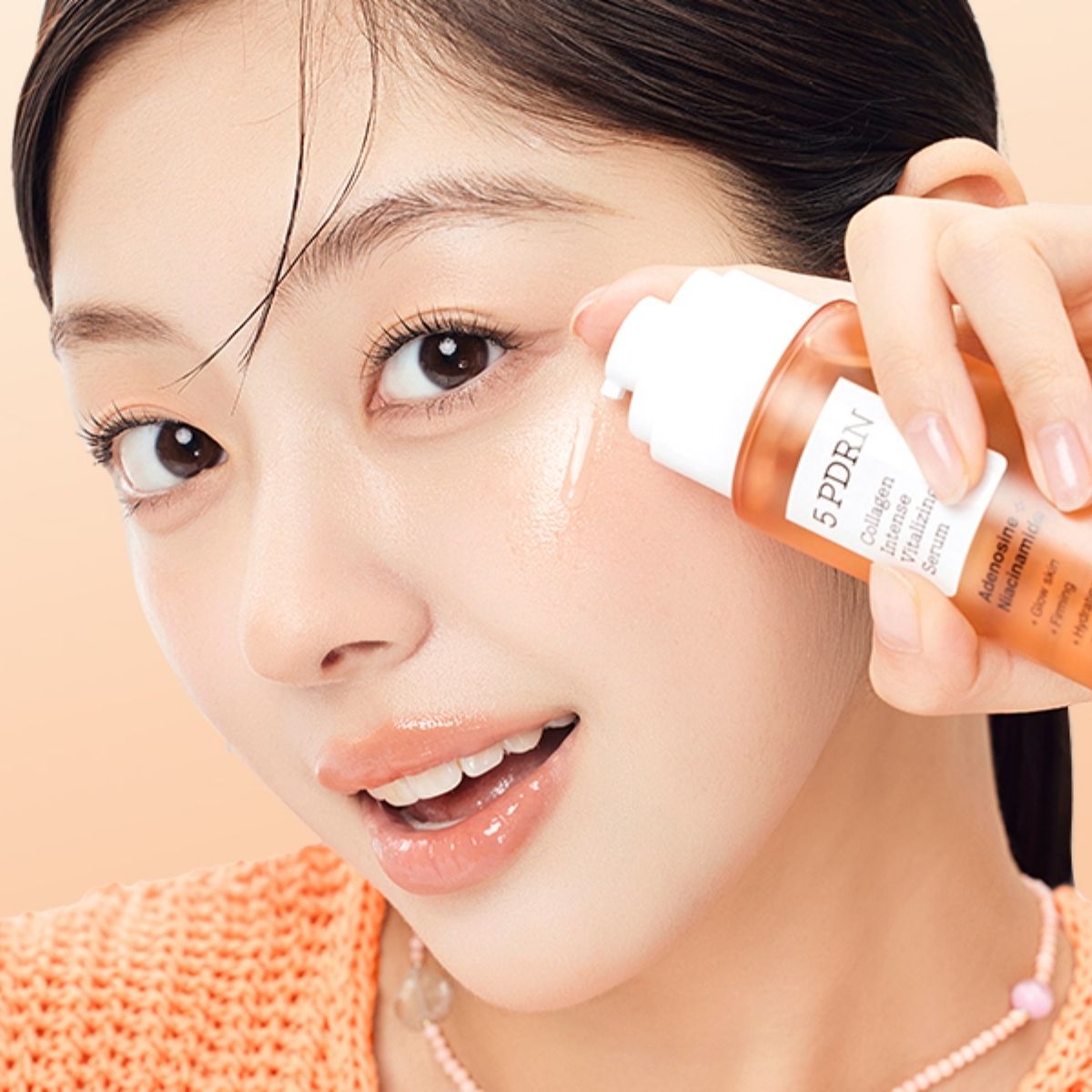
The clinical evidence supporting PDRN is substantial and growing. Published research in peer-reviewed journals has demonstrated that PDRN promotes fibroblast proliferation — the cells responsible for producing collagen and elastin in the skin's dermal layer. Multiple studies confirm that PDRN can help reduce inflammation, support cell regeneration, boost collagen production, firm skin texture, and soften the appearance of wrinkles and fine lines.
However, dermatologists maintain an important distinction between injectable and topical PDRN applications. Dr. Rachel Ho, a board-certified dermatologist, has noted that topical PDRN may not replicate the full benefits of injectable treatments in terms of reducing scar depth or deep wrinkles. She emphasizes that topical PDRN is most valuable for barrier repair, post-treatment healing, and surface-level skin rejuvenation. The current scientific consensus positions topical PDRN as an excellent supportive ingredient — one that enhances the results of professional treatments like microneedling and laser therapy while delivering meaningful standalone benefits for skin health.
A landmark 2022 study published in the International Journal of Biological Macromolecules confirmed PDRN's anti-aging potential, demonstrating that it strengthens the extracellular matrix of the skin, leading to measurably firmer and more resilient complexion over consistent use. These findings have fueled the explosion of PDRN-infused products across the K-beauty landscape.
Top K-Beauty PDRN Products Taking Over in 2026
The K-beauty industry has responded to the PDRN trend with characteristic speed and innovation, releasing dozens of formulations that deliver this regenerative ingredient in various formats. Here are the standout PDRN skincare products that dermatologists and beauty editors are recommending in 2026:
VT Cosmetics PDRN Range — VT Cosmetics has been an early mover in the PDRN space, offering a complete routine from toner to cream. Their products feature a proprietary salmon-derived PDRN complex combined with hyaluronic acid for deep hydration and barrier reinforcement.
Anua PDRN Serum — Known for their viral Heartleaf line, Anua has entered the PDRN market with a lightweight serum that combines polydeoxyribonucleotide with niacinamide and panthenol. This formulation targets uneven skin tone while delivering PDRN's regenerative benefits, making it ideal for those seeking both brightening and anti-aging results.
medicube PDRN Cream and Pink Serum — The brand behind the viral AGE-R device has launched PDRN formulations designed to work synergistically with their at-home skincare devices. The Pink Serum features a high concentration of PDRN alongside peptides, while the cream offers a richer formula for nighttime repair. This approach to pairing topical PDRN with device-assisted delivery represents a significant advancement in at-home regenerative skincare, similar to the device integration trends we covered in our spicule skincare guide.
REJURAN Topical Line — Originally famous for their injectable c-PDRN treatments administered in Korean clinics, REJURAN has translated their clinical expertise into a consumer-facing topical line. Their products use the same purified salmon DNA technology as their professional treatments, positioned as the closest at-home alternative to the original rejuran healer injection.
BIODANCE PDRN Bio-Collagen Mask — Building on the massive success of their original Bio-Collagen mask, BIODANCE has introduced a PDRN-infused version that dissolves on the skin over 3-4 hours, delivering concentrated polydeoxyribonucleotide deep into the epidermis. This innovative delivery method addresses one of the key challenges of topical PDRN — penetration depth.
COSRX PDRN Serum — The beloved K-beauty brand has launched a PDRN serum that stays true to their minimalist, ingredient-focused philosophy. Featuring a streamlined formula with PDRN as the hero ingredient alongside beta-glucan for barrier support, it is designed for sensitive skin types who want regenerative benefits without irritation.
Plant-Based PDRN: The Next Frontier
One of the most exciting developments in the PDRN space for 2026 is the emergence of plant-derived alternatives. Sometimes called PhytoPDRN, these formulations are isolated from the adventitious roots of Korean ginseng using ultra-high-pressure microfluidization technology. Laboratory studies have shown that Panax ginseng-derived PDRN activates the same adenosine A2A receptors and promotes cell proliferation at rates comparable to salmon-derived PDRN.
This innovation addresses two significant consumer concerns. First, it offers a vegan and cruelty-free alternative for consumers who want regenerative skincare without animal-derived ingredients. Second, it aligns with the growing demand for sustainable beauty — a trend that intersects with the microbiome-focused skincare movement that prioritizes ecological consciousness alongside skin health. Korean brand IsNtree has been at the forefront of this shift, launching GIM-derived PDRN products including their Boosting Glow Pad and Deep Sleep Mask that utilize plant-based polydeoxyribonucleotides.
How to Incorporate PDRN Into Your Skincare Routine
For those new to PDRN skincare, dermatologists recommend a measured approach to integration. Start by introducing a PDRN serum or ampoule into your existing routine, applying it after cleansing and toning but before moisturizer. Most PDRN serums have a lightweight, watery texture that absorbs quickly and layers well under other products.
A recommended PDRN-focused routine for 2026 looks like this:
- Morning: Gentle cleanser → Hydrating toner → PDRN serum → Lightweight moisturizer → SPF 50+ sunscreen
- Evening: Double cleanse (oil + water) → Exfoliating toner (2-3x weekly) → PDRN ampoule → PDRN cream or sleeping mask
- Weekly boost: PDRN sheet mask or bio-collagen dissolving mask for concentrated treatment
Key tips from dermatologists: PDRN pairs exceptionally well with hyaluronic acid, peptides, and ceramides. It can be used alongside retinol, though it is advisable to apply them at different times of day — retinol at night, PDRN morning and night. PDRN's anti-inflammatory properties actually make it an excellent companion to potentially irritating actives, helping to calm the skin while still delivering regenerative benefits.
For those interested in maximizing PDRN penetration, consider pairing topical application with at-home microneedling or LED therapy devices. Studies suggest that creating micro-channels in the skin through gentle microneedling can significantly enhance the absorption of PDRN molecules, bringing topical results closer to what injectable treatments achieve. If you are exploring K-beauty ingredients beyond PDRN, our comprehensive guide to snail mucin skincare covers another powerhouse ingredient that pairs well with PDRN in a layered routine.
PDRN vs Other Trending Regenerative Ingredients
With so many regenerative ingredients competing for attention in 2026, understanding how PDRN compares to alternatives is essential for building an effective routine:
- PDRN vs Exosomes: Both target cellular regeneration, but PDRN works through receptor activation while exosomes deliver signaling molecules directly. They can be complementary rather than competitive.
- PDRN vs Retinol: Retinol accelerates cell turnover through vitamin A pathways, while PDRN stimulates repair and collagen synthesis through DNA-level mechanisms. Using both addresses aging from multiple angles.
- PDRN vs EGF (Epidermal Growth Factor): EGF directly stimulates cell growth, while PDRN provides the building blocks for cellular repair. PDRN has a broader mechanism of action.
- PDRN vs Peptides: Peptides signal the skin to produce more collagen, while PDRN provides the nucleotide infrastructure for actual cellular regeneration. They work on different levels of the same process.
You May Also Like
- Exosome Skincare 2026: What Dermatologists Really Think About the Buzzy Anti-Aging Ingredient
- Snail Mucin Skincare 2026: Science, Benefits, and 10 Best K-Beauty Products
- Spicule Skincare 2026: K-Beauty's Viral Microneedling Alternative
- Microbiome Skincare 2026: The Probiotic Beauty Revolution
FAQ
Q: What is PDRN in skincare and where does it come from?
A: PDRN (polydeoxyribonucleotide) is a bio-regenerative ingredient made from purified DNA fragments extracted from salmon or trout reproductive cells. The extraction process uses high-temperature purification to remove all proteins and potential allergens, leaving pure nucleotide chains that stimulate skin cell repair, collagen production, and anti-inflammatory responses through adenosine A2A receptor activation.
Q: Is PDRN skincare safe for sensitive skin?
A: Yes, PDRN skincare is generally considered safe for sensitive skin types. The high-temperature purification process removes allergenic proteins from the salmon DNA source material. PDRN actually has anti-inflammatory properties that can help calm reactive skin. However, as with any new skincare ingredient, patch testing is recommended before full application, and those with fish allergies should consult a dermatologist first.
Q: How long does it take to see results from topical PDRN products?
A: Most users report noticeable improvements in skin hydration and texture within 2-4 weeks of consistent PDRN use. More significant anti-aging benefits such as improved firmness and reduced fine lines typically become visible after 6-8 weeks of daily application. For optimal results, dermatologists recommend consistent use for at least 3 months, as collagen remodeling is a gradual biological process.
Q: Can PDRN skincare replace professional PDRN injections?
A: Topical PDRN products and injectable PDRN treatments serve different purposes. Injections deliver concentrated PDRN directly into the dermis for deeper regeneration, making them more effective for significant concerns like deep wrinkles and scars. Topical products work on the skin's surface layers, offering benefits for barrier repair, hydration, and mild anti-aging. Many dermatologists recommend topical PDRN as maintenance between professional treatments rather than a complete replacement.
Q: Is there a vegan alternative to salmon-derived PDRN?
A: Yes, plant-derived PDRN (PhytoPDRN) extracted from Korean ginseng roots is now available in select K-beauty products. Laboratory studies show that ginseng-derived PDRN activates the same cellular pathways as salmon PDRN. Brands like IsNtree are leading this innovation with their GIM-derived PDRN product line, offering effective regenerative skincare without animal-derived ingredients.
The Bottom Line
PDRN skincare represents one of the most scientifically compelling trends to emerge from K-beauty in 2026. Backed by genuine clinical research and powered by a dual-mechanism approach to cellular regeneration, polydeoxyribonucleotide offers a level of biological sophistication that few other trending ingredients can match. Whether you choose salmon-derived or plant-based formulations, incorporating PDRN into your routine is a science-backed step toward healthier, more resilient skin. As the ingredient continues its journey from clinic to countertop, expect even more innovative delivery systems and formulations to emerge throughout the year.
Sources: NewBeauty | E! Online | BeautyMatter | SeoulCeuticals | Cosmetics Business


댓글
댓글 쓰기