Microbiome Skincare 2026: The Probiotic Beauty Revolution
Microbiome Skincare 2026: The Probiotic Beauty Revolution Dermatologists Want You to Know About
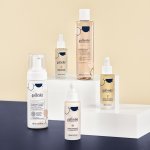
Microbiome skincare is no longer a niche trend reserved for science enthusiasts — it is officially the fastest-growing category in the beauty industry in 2026. Valued at USD 434.8 million in 2024, the global microbiome skincare products market is projected to reach USD 835.2 million by 2030, growing at a compound annual growth rate of 12.2%, according to a January 2026 report by Research and Markets. From probiotics and prebiotics to the rapidly emerging postbiotics category, brands are racing to harness the power of beneficial bacteria to deliver clinically proven results for barrier repair, anti-aging, and sensitive skin care. Here is everything dermatologists, cosmetic chemists, and industry experts want you to know about microbiome skincare in 2026.
What Is the Skin Microbiome and Why Does It Matter?
Your skin is home to more than 100 billion bacteria, fungi, and microbes that collectively form what scientists call the skin microbiome. This invisible ecosystem acts as your body's first line of defense, protecting against pathogens, regulating moisture, maintaining pH balance, and controlling inflammation. When the microbiome is balanced, skin appears healthy, hydrated, and resilient. When it is disrupted — through harsh cleansers, over-exfoliation, environmental pollution, or stress — the result is often sensitivity, redness, acne, and accelerated aging.
A comprehensive 2025 review published in the Annals of Dermatology by researchers at Chung-Ang University College of Medicine in Seoul confirmed that microbiome-supportive skincare can address skin aging through multiple mechanisms, including restoring beneficial bacterial populations, promoting ceramide production, reducing transepidermal water loss, and modulating immune responses that drive chronic inflammation. The study concluded that probiotics, prebiotics, and postbiotics represent a paradigm shift in how we approach skin health.
Probiotics, Prebiotics, and Postbiotics: What Is the Difference?
Understanding the three pillars of microbiome skincare is essential for building an effective routine in 2026. Each plays a distinct role in supporting your skin's natural ecosystem:
Probiotics are live microorganisms — often strains of Lactobacillus and Bifidobacterium — that replenish beneficial bacteria on the skin's surface. In skincare, they commonly appear as ferment lysates or filtrates. Clinical research shows they can reduce acne lesions, calm inflammation, and improve skin hydration when applied topically.
Prebiotics are ingredients that feed your skin's existing beneficial bacteria, creating an optimal environment for them to thrive. Common prebiotic ingredients include inulin (derived from chicory root), oat extracts, and algae-based compounds. La Roche-Posay's Toleriane line, formulated with its proprietary Prebiotic Thermal Spring Water, remains one of the most dermatologist-recommended prebiotic skincare ranges, clinically proven to achieve barrier recovery within one hour.
Postbiotics are the metabolic byproducts of beneficial bacteria — including enzymes, peptides, short-chain fatty acids, and organic acids. Unlike live probiotics, postbiotics are inherently stable, easy to formulate, and do not require special preservation. According to the International Scientific Association for Probiotics and Prebiotics (ISAPP), postbiotics confer health benefits without the regulatory complexity of live organisms. In 2026, postbiotics have emerged as the most formulation-friendly and scientifically exciting frontier in microbiome skincare.
Why 2026 Is the Tipping Point for Microbiome Beauty

Several converging forces are making 2026 the year microbiome skincare goes mainstream. Oliver Worsley, CEO of Sequential, told BeautyMatter: "We are at the inflection point — not quite mainstream yet, but close." The data supports this assessment. Global Google searches for "microbiome" have doubled over the past five years, now averaging 110,000 monthly searches. Searches specifically for "skin + microbiome" surged 176.9% year-over-year.
Major acquisitions have accelerated the category. Shiseido acquired Gallinée, the pioneering microbiome skincare brand founded by pharmacist Marie Drago, in 2022. Procter and Gamble purchased TULA Skincare the same year. L'Oréal acquired Danish microbiome specialist Lactobio in 2023. Beiersdorf took a majority stake in S-Biomedic. These moves by the world's largest beauty conglomerates signal that microbiome skincare has passed the proof-of-concept stage and entered the scale-up phase.
Meanwhile, Unilever holds more than 100 microbiome-related patents and maintains one of the industry's most extensive skin microbiome databases. Jason Harcup, Unilever's Chief R&D Officer, has positioned microbiome science as a core pillar of the company's future skincare strategy.
The Science Behind the Products: What Actually Works
Not all microbiome skincare products are created equal. Dermatologists at Sunshine State Dermatology caution that while the trend is positive, "not every product labeled microbiome-friendly has robust science behind it — the term is not regulated." Here is what the clinical evidence actually supports:
Barrier Support: Short-chain fatty acids and peptidoglycans from postbiotics stimulate lipid synthesis and tight-junction organization in the skin. Ceramide- and lipid-rich formulas that restore the physical barrier while supporting microbial diversity show the strongest clinical outcomes for sensitive and compromised skin.
Anti-Inflammatory Action: Specific bacterial lysates reduce visible redness by down-regulating NF-kappa-B inflammatory pathways. Randomized controlled trials have demonstrated improvements in hydration, elasticity, and dermal density using various probiotic formulations.
Microbial Balance: Metabolite fractions from postbiotics limit opportunistic pathogenic organisms while preserving the diversity of beneficial microbes. This targeted approach is fundamentally different from — and often superior to — broad-spectrum antibacterial treatments.
pH Optimization: Microbiome-friendly products maintain a pH of 5.0 to 5.5, matching the skin's natural acid mantle. Dermatologists recommend sulfate-free, pH-balanced cleansers and avoiding alkaline soaps that strip beneficial bacteria.
Top Microbiome Skincare Brands and Products to Watch in 2026
The microbiome beauty landscape spans established dermo-cosmetic giants and innovative biotech startups. Here are the brands leading the charge:
Gallinée — Acquired by Shiseido and celebrating its 10th anniversary in 2026, Gallinée remains the gold standard for triple-biotic skincare. Founded by Dr. Marie Drago, who holds a Doctor of Industrial Pharmacy from Paris-Saclay University, every product features a patented complex of prebiotics, probiotics, and postbiotics. Their new anti-aging eye cream, which uses bacteria that naturally produce ceramides, exemplifies the brand's philosophy of "leaning on biology rather than chemistry."
TULA Skincare — Now part of Procter and Gamble, TULA's proprietary S6Pro Complex combines three probiotic extracts and three prebiotics clinically proven to restore skin balance and strengthen the barrier. Available at Ulta Beauty, Sephora, and Target, TULA has made microbiome skincare accessible to the mass market.
La Roche-Posay — With five years of dedicated microbiome research and 13 clinical studies, La Roche-Posay's Toleriane line delivers the highest concentration of Prebiotic Thermal Spring Water. Their Double Repair Moisturizer provides 48-hour hydration and achieves barrier recovery in just one hour — making it a dermatologist favorite.
THANARA by AL-DNA — This Thai innovation, developed by Associate Professor Dr. Naraporn Somboonna at Chulalongkorn University, features patented 4P-Biotics technology combining probiotics, parabiotics, prebiotics, and postbiotics. Their anti-aging serum and SPF50 sunscreen lotion are both FDA-certified and represent the next generation of microbiome-based formulation science.
Nuebiome — An award-winning brand powered by a unique triple bioferment blend, Nuebiome combines all three biotics to hydrate, strengthen the skin barrier, and restore suppleness. Their science-forward approach has earned recognition from both dermatologists and beauty editors.
Biotech Startups Pushing the Boundaries
Some of the most exciting microbiome skincare innovation is happening in the startup space. Parallel Health, based in San Francisco, offers customized phage therapy serums developed from whole-genome sequencing of individual skin microbiomes — claiming a 99.9% reduction in inflammation and blemishes compared to conventional skincare. Phyla, backed by a Series A investment from Shiseido and supported by research grants from UCSF and the NIH, uses naturally occurring bacteriophages to target acne-causing bacteria without disturbing beneficial microbes. Codex Labs, founded by Stanford PhD Barbara Paldus, has developed a patented PreservX preservative system based on Lactobacillus fermentation for treating acne, eczema, and psoriasis.
The K-beauty sector is also contributing significant innovation. Fermented ingredients — long a staple of Korean skincare — are being reformulated with advanced microbiome science. Products like MA:NYO's Bifida Biome Aqua Barrier Cream and PURCELL's PIXCELL BIOM, formulated with a remarkable 90% concentration of Bifida Ferment Lysate and Lactobacillus Ferment Lysate, demonstrate the convergence of traditional fermentation expertise with cutting-edge probiotic research.
How to Build a Microbiome-Friendly Skincare Routine
Dermatologists recommend the following principles for anyone looking to support their skin microbiome in 2026:
1. Cleanse Gently: Use sulfate-free, pH-balanced cleansers (pH 4.5-5.5) that clean without stripping beneficial bacteria. Avoid antibacterial soaps and harsh foaming agents.
2. Introduce Biotics Gradually: Start with one probiotic or postbiotic product and patch test before incorporating it into your full routine. Look for ingredients like Lactobacillus ferment lysate, Bifida ferment filtrate, or inulin.
3. Protect the Barrier: Layer barrier-supportive ingredients like ceramides, hyaluronic acid, niacinamide, and fatty acids. These work synergistically with microbiome-friendly formulations to maintain skin integrity.
4. Avoid Over-Exfoliation: Excessive use of physical scrubs, high-concentration acids, or retinoids can decimate beneficial bacterial populations. Limit exfoliation to two to three times per week and always follow with barrier-repair products.
5. Choose Mineral Sunscreen When Possible: Zinc oxide and titanium dioxide formulas tend to be more compatible with the skin microbiome than some chemical UV filters. Newer options like THANARA's SPF50 combine microbiome support with sun protection in a single step.
6. Simplify Your Routine: The most effective microbiome-friendly routines in 2026 are not the longest — they are the smartest. Kim van Haaster, CEO of Bloomeffects, notes the industry is moving toward "longevity, focusing on formulas with ceramides, antioxidants, and SPF to strengthen the microbiome." Fewer products that truly multitask will outperform a 12-step routine that overwhelms the skin's natural balance.
Frequently Asked Questions About Microbiome Skincare
Q: Is microbiome skincare suitable for all skin types?
A: Yes. Microbiome skincare is especially beneficial for sensitive, acne-prone, and eczema-prone skin, but all skin types benefit from maintaining microbial balance. Sensitive skin products are projected to dominate 38% of the microbiome market share in 2026 due to increasing diagnosis of barrier dysfunction and inflammation-prone conditions.
Q: Can probiotics in skincare actually survive on the skin?
A: Most topical probiotics use ferment lysates or filtrates rather than live bacteria, meaning the beneficial metabolites are already present without requiring live organism survival. Postbiotics, which are inherently stable, bypass this concern entirely while delivering proven anti-inflammatory and barrier-support benefits.
Q: How long does it take to see results from microbiome skincare?
A: Clinical studies show measurable improvements in hydration and barrier function within one to two weeks for products like La Roche-Posay Toleriane. For anti-aging benefits like improved elasticity and wrinkle reduction, most studies show significant results at the eight to twelve week mark.
Q: Are microbiome skincare products safe during pregnancy?
A: Most prebiotic and postbiotic skincare products are considered safe during pregnancy, as they do not contain live organisms or retinoids. However, always consult your dermatologist or obstetrician before adding new products during pregnancy.
Q: What is the difference between microbiome skincare and regular moisturizer?
A: Regular moisturizers hydrate and occlude. Microbiome skincare goes further by actively supporting the beneficial bacterial ecosystem on your skin — reducing inflammation, optimizing pH, strengthening the barrier from a biological level, and training the skin's immune responses for long-term resilience rather than short-term cosmetic effects.
The Bottom Line
Microbiome skincare represents a fundamental shift in how the beauty industry approaches skin health. Rather than treating symptoms with aggressive actives, this category works with the body's own biology to build lasting resilience, reduce chronic inflammation, and support the barrier from the inside out. With a market projected to nearly double by 2030, backing from every major beauty conglomerate, and a growing body of peer-reviewed clinical evidence, microbiome skincare is not a passing trend — it is the future of dermatology-led beauty. Whether you start with a simple prebiotic cleanser or invest in a customized phage therapy serum, 2026 is the year to pay attention to the trillions of microorganisms that call your skin home.
Sources: Research and Markets | Annals of Dermatology | BeautyMatter | Beauty Independent | Premium Beauty News | GreyB


댓글
댓글 쓰기