Hanbang Skincare 2026: How Korean Herbal Medicine Is Getting a High-Tech Makeover
Hanbang Skincare 2026: How Korean Herbal Medicine Is Getting a High-Tech Makeover

Hanbang skincare is experiencing a dramatic revival in 2026, as Korean beauty brands merge centuries-old herbal medicine traditions with cutting-edge biotechnology. Once confined to luxury heritage brands like Sulwhasoo, hanbang skincare has exploded into the mainstream, driven by a new generation of products that pair traditional ingredients like ginseng, mugwort, and bamboo sap with modern delivery systems including peptide complexes, liposomal encapsulation, and fermentation science. Industry experts predict this "Hanbang 2.0" movement will be one of the most defining K-beauty trends of the year, as consumers increasingly seek skincare that is rooted in both tradition and clinical evidence.
What Is Hanbang Skincare and Why Is It Trending in 2026?
Hanbang, which translates to "Korean traditional medicine," refers to the centuries-old practice of using herbal ingredients for health and beauty. In skincare, hanbang formulations draw from a pharmacopoeia that includes ginseng root, mugwort leaf, licorice root, bamboo sap, rice bran, and fermented botanical extracts. These ingredients have been used in Korean wellness rituals for over 2,000 years, long before the modern K-beauty industry existed.
What makes 2026 different is the convergence of traditional wisdom with pharmaceutical-grade formulation technology. Korean R&D labs are now applying encapsulation methods, where active compounds are wrapped in microscopic lipid nanoparticles roughly 100 nanometers in diameter. This allows ingredients like ginsenosides from ginseng to penetrate through the stratum corneum and reach the dermis, dramatically improving efficacy compared to traditional extracts. As we explored in our guide to PDRN skincare, Korean brands have consistently led the charge in translating clinical-grade ingredients into accessible daily-use products.
Melody Yuan, CEO and Founder of Skin Cupid, confirms this shift: "K-beauty continues to set the benchmark for innovation. Consumers are becoming more ingredient-savvy, gravitating towards the gentle formulations and advanced technology that Korean skincare is celebrated for. 2026 will be a year defined by personalisation, skin health, and sustainable luxury."
The Core Hanbang Ingredients Redefining K-Beauty
The hanbang skincare revival in 2026 centers around several star ingredients, each backed by both traditional use and modern clinical research. Understanding what makes these botanicals effective is key to choosing the right products for your routine.
Korean Red Ginseng (Insam)
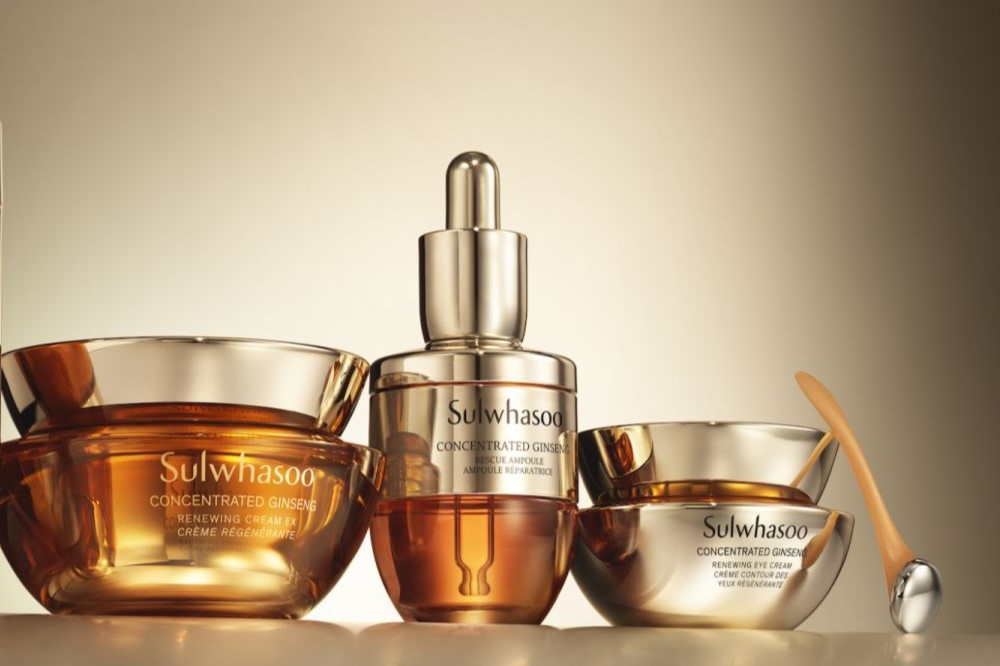
Korean red ginseng remains the crown jewel of hanbang skincare. Its active compounds, called ginsenosides, have been shown in peer-reviewed studies to promote collagen synthesis, reduce oxidative stress, and improve skin elasticity. In 2026, advanced delivery systems use micro-encapsulation to wrap ginsenoside molecules in lipid nanoparticles, allowing them to penetrate deeper into the skin than ever before. The result is measurably firmer, more resilient skin with consistent use. Sulwhasoo's reformulated Concentrated Ginseng Rejuvenating Collection represents the pinnacle of this approach, combining red ginseng extract with peptides, a vitamin C derivative, glycerin, and squalane for comprehensive anti-aging benefits.
Mugwort (Ssuk)
Mugwort, known as "ssuk" in Korean, is the unsung hero of hanbang skincare. Traditionally used in Korean bathhouses where dried bundles were added to steam rooms for their purifying properties, mugwort has powerful anti-inflammatory and antimicrobial benefits that modern science has validated. In 2026, brands like Roundlab are pairing mugwort extract with peptides, which are short chains of amino acids that signal skin cells to produce more collagen and elastin. This combination of ancient calming botanicals with modern peptide science creates products that soothe reactive skin while actively stimulating repair.
Bamboo Sap (Jungnyeoksu)
Bamboo sap is emerging as the breakout hanbang ingredient of 2026. Rich in minerals, amino acids, and natural silica, bamboo sap provides deep hydration while strengthening the skin barrier. Korean formulators are combining it with ceramides and postbiotic complexes to create ultra-gentle, microbiome-supporting products. This aligns perfectly with the broader 2026 trend toward barrier-first skincare, which prioritizes resilience and long-term skin health over aggressive actives.
Licorice Root (Gamcho)
Licorice root extract is prized in hanbang for its ability to brighten skin and reduce hyperpigmentation. Its key compound, glabridin, inhibits tyrosinase, the enzyme responsible for melanin production. In modernized hanbang formulations, licorice root is often paired with tranexamic acid or niacinamide for enhanced brightening effects. It also offers strong anti-inflammatory properties that make it suitable for sensitive and rosacea-prone skin types.
Best Hanbang Skincare Products to Try in 2026
The hanbang skincare market in 2026 spans from luxury heritage brands to accessible K-beauty favorites. Here are the standout products driving the trend across different price points.
Sulwhasoo Concentrated Ginseng Rejuvenating Cream ($250) — The gold standard of hanbang skincare. The reformulated 2026 version features an upgraded ginseng complex with enhanced encapsulation technology, delivering all-day hydration while targeting fine lines, loss of firmness, and environmental damage. Clinical testing shows visible improvement in skin density and elasticity within four weeks of consistent use.
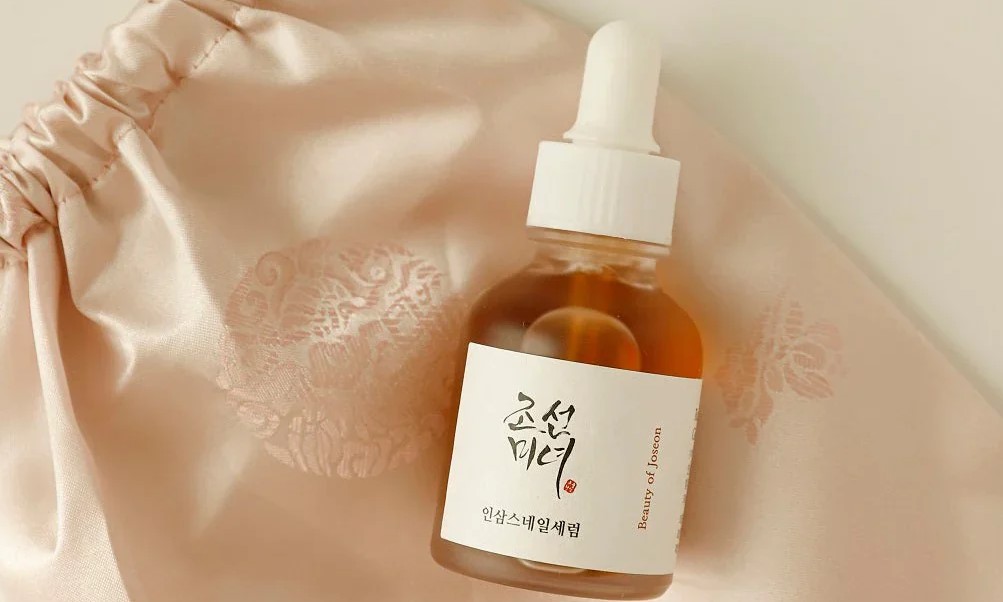
Beauty of Joseon Revive Serum: Ginseng + Snail Mucin ($16) — The most accessible entry point into hanbang skincare. This lightweight serum combines 63% fermented ginseng root water with 3% snail mucin for a dual-action approach to hydration and anti-aging. The fermentation process breaks down ginseng compounds into smaller molecules that absorb more readily, making this an excellent choice for younger skin that wants preventive care.
Roundlab Mugwort Calming Peptide Ampoule ($28) — This product exemplifies the Hanbang 2.0 philosophy. It combines traditional mugwort extract with modern peptide technology to calm irritated skin while stimulating collagen production. The lightweight ampoule texture absorbs instantly, making it ideal as a pre-serum step or mixed into your moisturizer.
I'm From Mugwort Essence ($32) — Made with 100% mugwort extract sourced from Ganghwa Island, South Korea, this essence delivers concentrated anti-inflammatory benefits. The formula uses a cold-pressing method to preserve the delicate bioactive compounds, making it one of the purest hanbang products available.
107Beauty Everyday Plump Hydro Cream ($48) — A unique entry in the hanbang space, this cream features aged vinegar, fermented soymilk extract, and amino acids. The fermentation process, a hallmark of modernized hanbang, creates smaller molecular structures that penetrate deeper into the skin for enhanced hydration and barrier support.
How to Build a Hanbang Skincare Routine
Building an effective hanbang skincare routine in 2026 does not require overhauling your entire regimen. The beauty of modernized hanbang products is that they integrate seamlessly into standard K-beauty routines. Here is a framework that combines hanbang principles with evidence-based skincare:
Step 1: Gentle Cleansing — Start with a rice bran or fermented botanical oil cleanser. Rice bran has been used in Korean beauty rituals for centuries and naturally contains ceramides and ferulic acid that support the skin barrier during cleansing.
Step 2: Mugwort Toner or Essence — Apply a mugwort-based toner to calm the skin and prep it for active ingredients. The anti-inflammatory properties create an optimal environment for subsequent treatment steps. As our centella asiatica guide explained, calming ingredients as a first treatment step help reduce irritation from potent actives applied afterward.
Step 3: Ginseng Serum or Ampoule — Layer a ginseng-based treatment product for anti-aging and antioxidant benefits. The encapsulated ginsenosides will work throughout the day to boost collagen production and protect against environmental stressors.
Step 4: Barrier-Strengthening Moisturizer — Seal everything with a cream containing hanbang botanicals, ceramides, and postbiotics. Look for formulations that include bamboo sap or fermented ingredients for maximum barrier support.
Step 5: Sun Protection — Always finish with broad-spectrum SPF. Many Korean sunscreens now incorporate hanbang extracts like licorice root for added brightening benefits.
What Dermatologists and Industry Experts Say About Hanbang 2.0
The medical and beauty industry consensus is clear: modernized hanbang represents a genuinely differentiated approach to skincare rather than just another marketing trend.
According to Melody Yuan: "2026 will bring a major surge in modernised hanbang formulas, with a rise in ginseng, mugwort, and bamboo sap, paired with peptides and encapsulation technologies to enhance stability and delivery." This prediction aligns with what we are already seeing on retail shelves and social media feeds worldwide.
The scientific evidence supports the enthusiasm. Ginsenosides have been studied extensively in peer-reviewed journals and demonstrate measurable effects on collagen synthesis, wound healing, and UV protection. Mugwort extract has documented antimicrobial and anti-inflammatory properties. The addition of modern delivery technologies like liposomal encapsulation and fermentation simply makes these proven ingredients work harder and penetrate deeper.
What distinguishes hanbang from other skincare trends is its foundation in a comprehensive medical philosophy. Rather than isolating single active ingredients, hanbang formulations often combine multiple botanicals in synergistic ratios that have been refined over centuries. Modern Korean R&D labs are now validating these traditional combinations through controlled clinical studies, creating products where every ingredient serves a defined purpose.
The market data reinforces the momentum. Korea ranked as the number two cosmetics exporter globally in Q1 2025 at $3.61 billion, and the hanbang category is one of the fastest-growing segments within K-beauty exports. As the movement toward skin longevity and long-term skin health continues to dominate consumer preferences, hanbang's emphasis on repair, resilience, and regeneration positions it perfectly for sustained growth.
Hanbang vs. Western Clinical Skincare: Key Differences
Understanding how hanbang skincare differs from Western clinical approaches helps consumers make informed choices. Western dermatological skincare tends to focus on isolated active ingredients at specific concentrations, such as retinol at 0.5% or vitamin C at 15%. Hanbang, by contrast, emphasizes complex botanical formulations where multiple compounds work synergistically.
Neither approach is inherently superior. However, hanbang skincare tends to be gentler and more suitable for sensitive skin types, while still delivering measurable anti-aging and brightening results over time. Many consumers in 2026 are finding that combining both philosophies — using hanbang products for daily maintenance and adding targeted Western actives for specific concerns — delivers the best overall outcomes. Similar to how exosome technology bridges traditional skincare and biotech innovation, modernized hanbang represents a synthesis of the best elements from both worlds.
You May Also Like
- Centella Asiatica in Skincare 2026: Complete Benefits, Best Products, and How to Use
- Snail Mucin Skincare 2026: Science, Benefits, and 10 Best K-Beauty Products
- PDRN Skincare 2026: How Salmon DNA Became K-Beauty's Hottest Anti-Aging Ingredient
- Skin Longevity 2026: The Science-Backed Skincare Shift Replacing Anti-Aging Routines
- Peptide Serums 2026: 10 Dermatologist Picks for Firmer Skin
Frequently Asked Questions About Hanbang Skincare
Q: What is hanbang skincare and how is it different from regular K-beauty?
A: Hanbang skincare refers to products formulated with ingredients from traditional Korean herbal medicine, including ginseng, mugwort, licorice root, and bamboo sap. While all hanbang skincare falls under the K-beauty umbrella, it specifically draws on centuries of traditional medicine knowledge. In 2026, modernized hanbang (or "Hanbang 2.0") combines these traditional botanicals with advanced technologies like peptide complexes and encapsulation delivery systems for enhanced efficacy.
Q: Is hanbang skincare suitable for sensitive skin?
A: Yes, hanbang skincare is generally well-suited for sensitive skin. Many core hanbang ingredients like mugwort and licorice root have documented anti-inflammatory and soothing properties. The emphasis on gentle, synergistic botanical formulations means hanbang products tend to be less irritating than high-concentration single-active Western treatments. However, as with any skincare product, patch testing is recommended before full application.
Q: What are the best hanbang skincare brands in 2026?
A: The leading hanbang skincare brands span multiple price points. At the luxury end, Sulwhasoo remains the gold standard with its Concentrated Ginseng Collection. For affordable options, Beauty of Joseon offers excellent ginseng and rice-based products starting around $16. Roundlab, I'm From, and Pyunkang Yul provide mid-range options with high-quality hanbang formulations. Newer entrants like 107Beauty are pushing boundaries with innovative fermentation techniques.
Q: Can I mix hanbang products with retinol or vitamin C?
A: Most hanbang products are compatible with retinol and vitamin C, and in many cases, they complement these actives well. Mugwort and ginseng extracts can help soothe irritation caused by retinol, while licorice root enhances the brightening effects of vitamin C. The key is to introduce products gradually and monitor your skin's response. Apply hanbang soothing products before or after potent actives to buffer potential irritation.
Q: How long does it take to see results from hanbang skincare?
A: With modernized hanbang products using encapsulation and fermentation technology, many users report noticeable improvements in skin texture and hydration within two to four weeks. Anti-aging benefits like improved firmness and reduced fine lines typically become visible after six to eight weeks of consistent use. The cumulative, long-term benefits of hanbang skincare align with the 2026 skin longevity movement, which prioritizes sustained results over quick fixes.
The Bottom Line
Hanbang skincare in 2026 represents one of the most compelling developments in the global beauty landscape. By marrying 2,000 years of Korean herbal medicine wisdom with 21st-century biotechnology, brands are creating products that are simultaneously gentle and clinically effective. Whether you invest in Sulwhasoo's premium ginseng collection or start with Beauty of Joseon's accessible serums, incorporating hanbang principles into your routine means tapping into a tradition that has stood the test of time and now has the science to prove it.
The message from experts and consumers alike is clear: the future of skincare is not about choosing between nature and technology. It is about combining both intelligently, and Korean hanbang skincare is leading the way.
Sources: TheIndustry.beauty, Hello Magazine, K-Trend, BeautyMatter, Cosmetics Business


댓글
댓글 쓰기