Hanbang 2.0 Skincare 2026: How Modernized Korean Herbal Medicine Is Redefining K-Beauty
Hanbang 2.0 Skincare 2026: How Modernized Korean Herbal Medicine Is Redefining K-Beauty
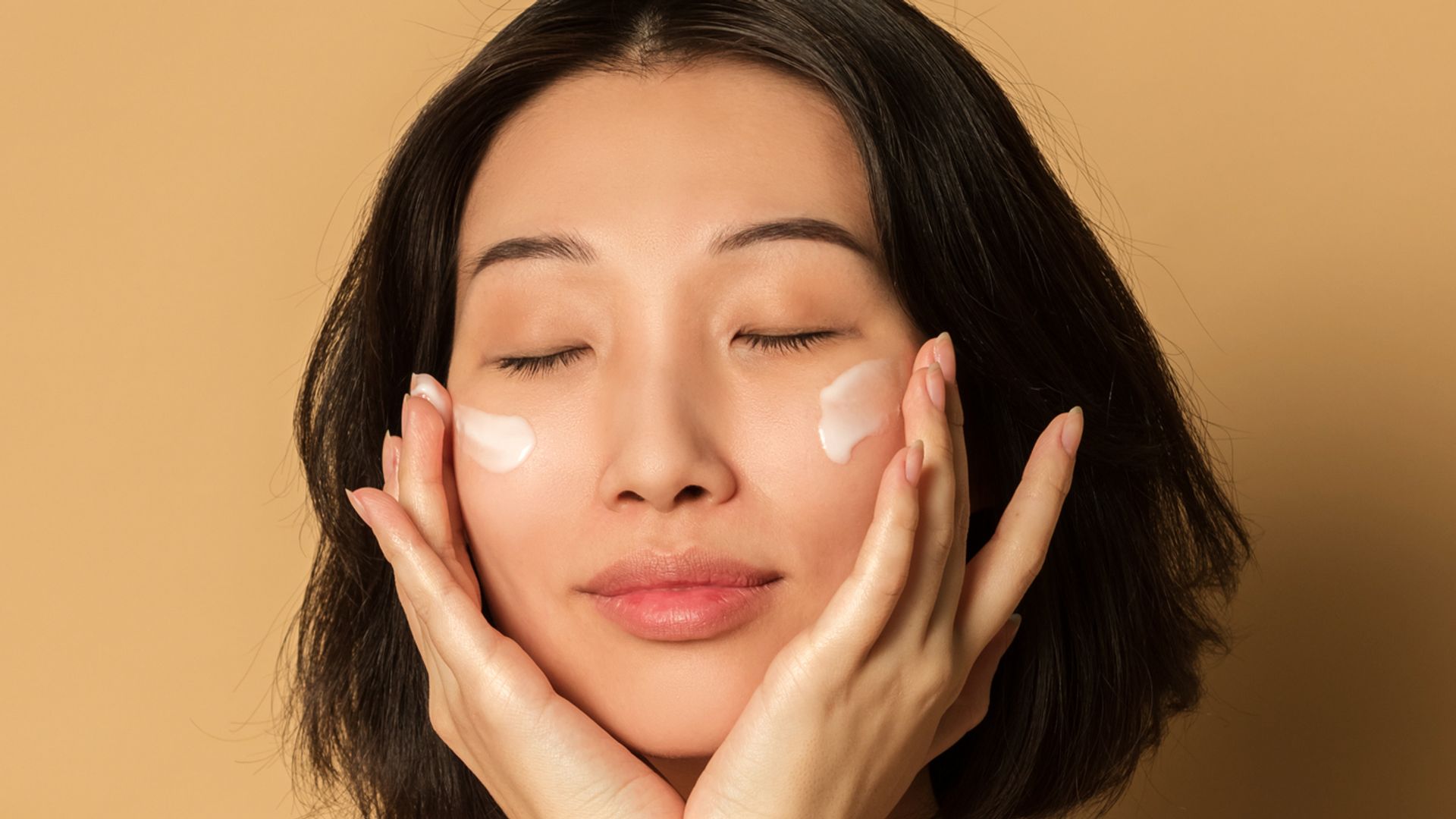
In 2026, Korean beauty is undergoing a transformative shift as traditional hanbang (한방) skincare — rooted in centuries of Korean herbal medicine — receives a high-tech makeover that is redefining what K-beauty means to consumers worldwide. Hanbang 2.0, as industry experts are calling it, represents the convergence of ancestral botanical wisdom with cutting-edge biotechnology, featuring modernized formulas of ginseng, mugwort, and bamboo sap paired with peptide technology, liposomal encapsulation, and clinical-grade concentration methods. This evolution is not just a trend — it is the future of evidence-based, culturally rooted skincare that bridges tradition and innovation.
What Is Hanbang Skincare and Why Is It Surging in 2026?
Hanbang skincare draws from the principles of traditional Korean medicine (TKM), a holistic healing system that has been practiced for over 2,000 years. Unlike Western dermatology's targeted approach to individual skin concerns, hanbang philosophy treats the skin as an interconnected system, seeking to restore internal balance through botanicals, fermentation, and herbal synergy. The foundational ingredients — Korean red ginseng (Panax ginseng), mugwort (Artemisia princeps, known as "ssuk" in Korean), licorice root, bamboo sap, and fermented soybean — have been staples of Korean wellness long before they appeared in serum bottles.
According to Skin Cupid founder and Korean skincare expert Melody Yuan, "2026 will be a year defined by personalisation, skin health, and sustainable luxury," with modernized hanbang formulas expected to see a major surge. Yuan predicts a significant rise in the use of ginseng, mugwort, and bamboo sap, paired with peptides and encapsulation technologies to improve stability and ingredient delivery. This aligns with a broader consumer shift toward credibility, science, and responsibility in skincare, where clinically proven formulations and meaningful results matter more than constant product churn.
Data supports the hanbang boom: Korea remains the world's second-largest cosmetics exporter, with $3.61 billion in exports in Q1 2025 alone. According to Lucie Shin of Trendier AI, K-beauty trends now carry "data-backed credibility behind the hype," with monitoring across 30 e-commerce channels in 15 countries confirming the global appetite for Korean formulations. The modernized hanbang movement sits at the heart of this wave, offering something no Western brand can replicate — authenticity rooted in millennia of herbal medicine tradition, supercharged by 21st-century biotech.
The Science Behind Hanbang 2.0: How Ancient Herbs Get a Biotech Upgrade
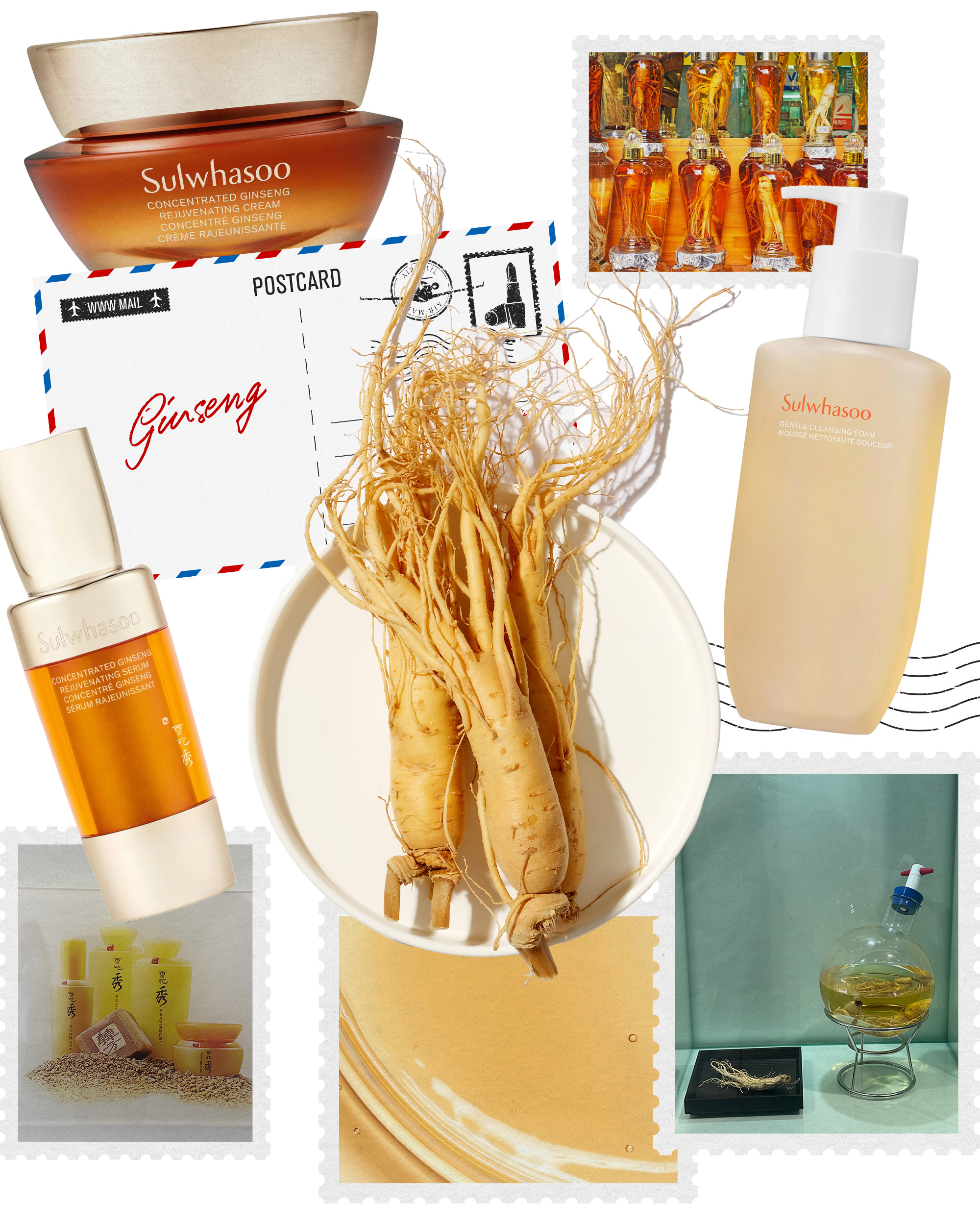
The difference between traditional ginseng remedies and today's hanbang 2.0 products is about a century of scientific advancement. Three key technologies are driving this transformation:
Micro-Encapsulation Technology: Amorepacific, the luxury conglomerate behind Sulwhasoo, spent five years developing a patented micro-encapsulation system that wraps ginsenoside molecules — the active compounds in ginseng responsible for collagen synthesis, oxidative stress reduction, and elasticity improvement — in lipid nanoparticles roughly 100 nanometers in diameter. These nanoparticles can penetrate through the stratum corneum (the outermost skin layer) to reach the dermis, where ginsenosides are most active. This is a quantum leap from traditional ginseng toners, where most of the active compound simply sat on the skin surface and evaporated.
Fermentation Science: Korean beauty brands have long used fermentation to enhance ingredient bioavailability — the process breaks down large molecular structures into smaller, more easily absorbed compounds while generating beneficial postbiotic byproducts. In the hanbang 2.0 era, brands like Roundlab and Abib are applying advanced fermentation protocols to mugwort extract, combining it with peptides for dual-action barrier repair and anti-inflammatory benefits. The fermentation process also increases the concentration of key active compounds like chamazulene and bisabolol, the molecules in mugwort responsible for calming irritation and reducing redness.
Peptide-Botanical Synergy: Perhaps the most exciting innovation is the marriage of traditional hanbang herbs with modern peptide technology. Sulwhasoo's Concentrated Ginseng Rejuvenating Serum now features retinol-infused capsules that melt into skin alongside their proprietary Ginseng Actives and Ginseng Peptides, the result of over 60 years of continuous ginseng research. This peptide-botanical approach is being adopted across the industry, with brands recognizing that traditional ingredients become exponentially more effective when their delivery mechanisms are modernized.
Hero Ingredients: The Hanbang Trinity Reimagined
Three cornerstone hanbang ingredients are leading the 2026 resurgence, each reimagined through modern formulation science:
1. Korean Red Ginseng (인삼, Insam): Used in Korean medicine for over 2,000 years, Korean red ginseng contains ginsenosides — a class of steroid glycosides — that have been clinically shown to promote collagen synthesis, reduce oxidative stress, and improve skin elasticity. In 2026, ginseng is no longer just the luxury heritage ingredient of Sulwhasoo. Accessible brands like Beauty of Joseon have democratized ginseng skincare, with their Repair Serum ($16) featuring ginseng root water and licorice root extract to diminish redness and calm sensitized skin. At the luxury end, Sulwhasoo's Concentrated Ginseng Renewing Serum ($205) uses red ginseng extract and ginseng oil to target fine lines while enhancing hydration through their patented delivery system.
2. Mugwort (쑥, Ssuk): Known as the "unsung hero" of hanbang skincare, mugwort has been used in Korean bathhouses (jjimjilbang) for centuries for its powerful anti-inflammatory and antimicrobial properties. The key active compounds — chamazulene and bisabolol — calm irritation and reduce redness, making mugwort particularly effective for sensitive and rosacea-prone skin. In the hanbang 2.0 era, brands are pairing mugwort extract with ceramides and postbiotic blends for next-generation barrier-repair formulations that address the root cause of sensitivity rather than just masking symptoms.
3. Bamboo Sap (죽력, Jungnyeok): Bamboo sap, a traditional Korean detoxification ingredient, is gaining mainstream attention for its exceptional hydrating properties. IUNIK, known for minimal-ingredient formulas, leads with their Bamboo Sap Hydrating Gel Cream containing 72% bamboo sap concentrate. The ingredient is naturally rich in minerals and amino acids, offering lightweight hydration that appeals to the growing consumer demand for simplified, effective routines — a philosophy perfectly aligned with the 2026 "skin longevity" movement.
Key Brands Leading the Hanbang 2.0 Movement
Several K-beauty brands are at the forefront of the modernized hanbang movement, each bringing a unique approach to bridging tradition and technology:
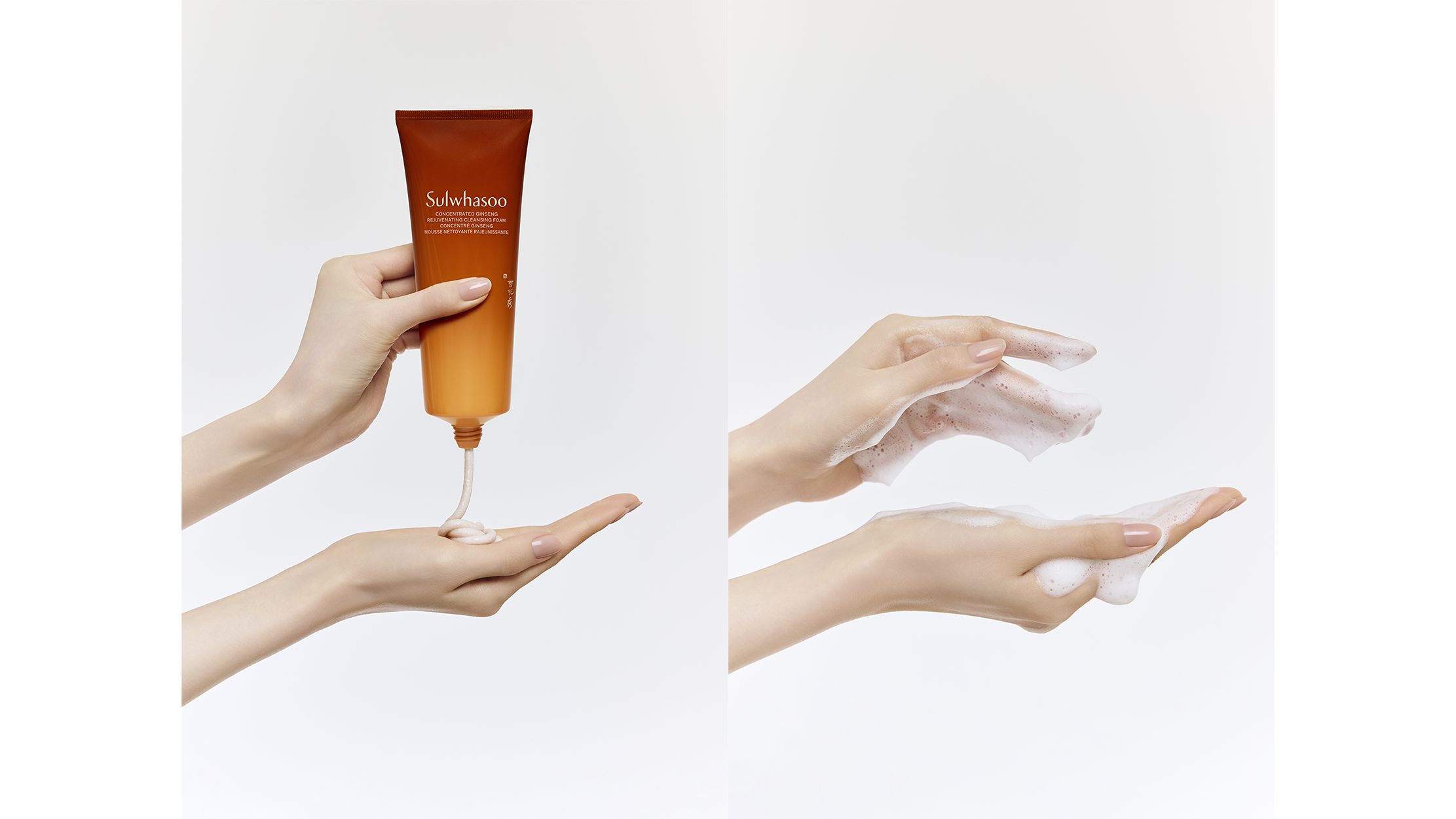
Sulwhasoo: The undisputed pioneer of luxury hanbang skincare, Sulwhasoo expanded its Concentrated Ginseng collection in early 2026 with seven products including a serum, ampoule, essence, toner, eye cream, and two reformulated versions of their iconic Rejuvenating Cream. Their latest launch — the Concentrated Ginseng Rejuvenating Cleansing Foam ($65, launched February 2, 2026) — uses Dual Elastic Bubble Technology that generates micro bubbles to lift away makeup, sunscreen, and pollutants without disrupting the moisture barrier. The through-line of the collection is their hero ingredient, Korean Ginseng Actives, the result of over 60 years of continuous research.
Beauty of Joseon: Established in 2017, Beauty of Joseon has become the accessible face of hanbang skincare globally, combining traditional ingredients into convenient formats that resonate with younger consumers. Their products, priced between $12-$20, have proven that hanbang does not have to be luxury-exclusive, contributing significantly to the democratization of Korean herbal skincare worldwide.
Hwarang: This emerging brand has built an entire skincare line around bellflower (doraji), offering a modern take on hanbang that bridges traditional herbal medicine with barrier care — one of the most sought-after skincare functions in 2026.
107Beauty: Their Everyday Plump Hydro Cream ($48) exemplifies the hanbang 2.0 philosophy, combining aged vinegar, squalane, fermented soymilk extract, and amino acids to strengthen the skin barrier using time-honored fermentation techniques updated with modern emulsion science.
Why Hanbang 2.0 Aligns With the Biggest Skincare Movements of 2026
The hanbang resurgence does not exist in isolation — it intersects with virtually every major skincare movement shaping the beauty industry in 2026:
Skin Longevity: The 2026 obsession with prevention-first, longevity-focused skincare perfectly aligns with hanbang's holistic philosophy. Boots' 2026 Beauty and Wellness Trends Report reveals that 80% of adults are adopting a preventative approach to their beauty routines. Hanbang's emphasis on balance, resilience, and long-term skin health — rather than quick fixes — positions it as the ideal framework for the longevity movement.
Barrier-First Care: With barrier repair emerging as the dominant skincare concern, hanbang ingredients like mugwort and fermented botanicals offer naturally derived solutions that align with the trend toward microbiome-supporting, ultra-gentle formulations enriched with ceramides and postbiotic blends.
The Post-Glass Skin Era: As the industry moves beyond the "glass skin" trend toward what experts call "glass skin 2.0" — focused on repair, resilience, and regeneration rather than just surface luminosity — hanbang's inside-out approach to skin health becomes increasingly relevant. The concept of "high rise skin," which emphasizes smoothness, evenness, and dimension through properly prepped skin, echoes hanbang's foundational principle that lasting radiance comes from internal balance.
Simplified Routines: The 2026 consumer wants fewer products that work harder. Hanbang formulations, with their synergistic multi-botanical complexes, deliver multiple benefits in single products — reducing the need for extensive multi-step routines while maintaining efficacy.
What Dermatologists and Experts Say About Hanbang Ingredients
The scientific community is increasingly validating what Korean traditional medicine practitioners have known for centuries. Ginsenosides have been the subject of extensive peer-reviewed research, with studies confirming their ability to promote fibroblast proliferation, inhibit MMP (matrix metalloproteinase) activity that breaks down collagen, and protect against UV-induced photoaging.
Mugwort's anti-inflammatory credentials are backed by research showing that its chamazulene content can inhibit pro-inflammatory cytokine release, making it a clinically relevant ingredient for conditions like eczema, rosacea, and general skin sensitivity. The addition of advanced delivery systems ensures these compounds reach their target sites in therapeutically meaningful concentrations.
Korean skincare expert Melody Yuan emphasizes that the key differentiator of hanbang 2.0 is the marriage of traditional wisdom with clinical substantiation: ingredients are no longer chosen based solely on historical use, but validated through modern clinical trials and then optimized using advanced formulation technology. This evidence-based approach to traditional ingredients represents a maturation of the K-beauty industry that sets it apart from trends driven purely by marketing.
How to Build a Hanbang 2.0 Skincare Routine in 2026
For those looking to incorporate modernized hanbang into their routine, experts recommend starting with one or two products and building gradually:
Step 1 — Cleanse: Sulwhasoo Concentrated Ginseng Rejuvenating Cleansing Foam ($65) for a gentle, barrier-respecting cleanse that maintains skin pH balance.
Step 2 — Tone: Klairs Supple Preparation Unscented Facial Toner ($21) with licorice root extract to calm inflammation and restore moisture balance post-cleansing.
Step 3 — Treat: Beauty of Joseon Repair Serum ($16) with ginseng root water for an accessible entry into hanbang actives, or Sulwhasoo Concentrated Ginseng Renewing Serum ($205) for the luxury tier.
Step 4 — Moisturize: 107Beauty Everyday Plump Hydro Cream ($48) or IUNIK Bamboo Sap Hydrating Gel Cream for fermentation-powered hydration that strengthens the barrier.
The beauty of hanbang 2.0 is its scalability — you can build a complete routine at the accessible tier ($50-80 total) or invest in the luxury experience ($400+), with clinically validated ingredients at every price point.
Frequently Asked Questions
Q: What is hanbang skincare and how is it different from regular K-beauty?
A: Hanbang skincare is based on traditional Korean herbal medicine (한방), using time-tested botanical ingredients like ginseng, mugwort, and licorice root. Unlike regular K-beauty products that may use synthetic actives, hanbang formulations draw from centuries of holistic healing wisdom. In 2026, "Hanbang 2.0" refers to these traditional ingredients being upgraded with modern biotechnology like peptide encapsulation and fermentation science for enhanced efficacy.
Q: Is hanbang skincare suitable for sensitive skin?
A: Yes, hanbang skincare is particularly well-suited for sensitive skin. Key ingredients like mugwort contain chamazulene and bisabolol, which have proven anti-inflammatory properties. The holistic approach of hanbang focuses on restoring skin balance and strengthening the barrier, which is exactly what sensitive skin needs. Many K-beauty brands are now pairing mugwort with ceramides and postbiotic blends for ultra-gentle, microbiome-supporting formulations.
Q: What are the best affordable hanbang skincare products in 2026?
A: Beauty of Joseon offers the most accessible entry point, with their Repair Serum priced at $16 featuring ginseng root water. Klairs Supple Preparation Toner ($21) uses licorice root extract, and IUNIK's Bamboo Sap Hydrating Gel Cream delivers 72% bamboo sap concentrate at a mid-range price. A complete hanbang routine can be built for under $80.
Q: How does ginseng benefit the skin according to scientific research?
A: Korean red ginseng contains ginsenosides, a class of steroid glycosides clinically shown to promote collagen synthesis, reduce oxidative stress, and improve skin elasticity. Modern formulation techniques like micro-encapsulation wrap ginsenoside molecules in lipid nanoparticles that can penetrate through the stratum corneum to reach the dermis, where they promote fibroblast proliferation and inhibit MMP activity that degrades collagen.
Q: Will the hanbang skincare trend continue to grow beyond 2026?
A: Industry analysts expect hanbang 2.0 to be a sustained movement rather than a fleeting trend. Unlike viral ingredients that come and go, hanbang is rooted in millennia of cultural heritage and backed by growing scientific validation. With Korea maintaining its position as the world's second-largest cosmetics exporter and brands continuously investing in biotech R&D for traditional ingredients, the modernized hanbang movement has the infrastructure and authenticity to endure.
The Bottom Line
Hanbang 2.0 represents more than a skincare trend — it is a paradigm shift in how the global beauty industry approaches ingredient innovation. By combining 2,000 years of Korean herbal medicine wisdom with 21st-century biotechnology, K-beauty brands are creating formulations that are simultaneously culturally authentic and scientifically rigorous. Whether you invest in Sulwhasoo's luxury ginseng collection or start with Beauty of Joseon's accessible serums, the message is clear: in 2026, the most advanced skincare in the world is also the most deeply rooted in tradition.
As the industry moves toward longevity, barrier health, and simplified efficacy, hanbang's holistic philosophy offers a framework that transcends seasonal trends. The ancient herbs have not changed — but the science delivering them to your skin has never been more sophisticated.
Sources: HELLO! Magazine, K-Trend, BeautyMatter, Coveteur, PhotoBook Magazine, Who What Wear


댓글
댓글 쓰기