GLP-1 Skincare 2026: How Ozempic Face Is Reshaping the Entire Beauty Industry
GLP-1 Skincare 2026: How Ozempic Face Is Reshaping the Entire Beauty Industry
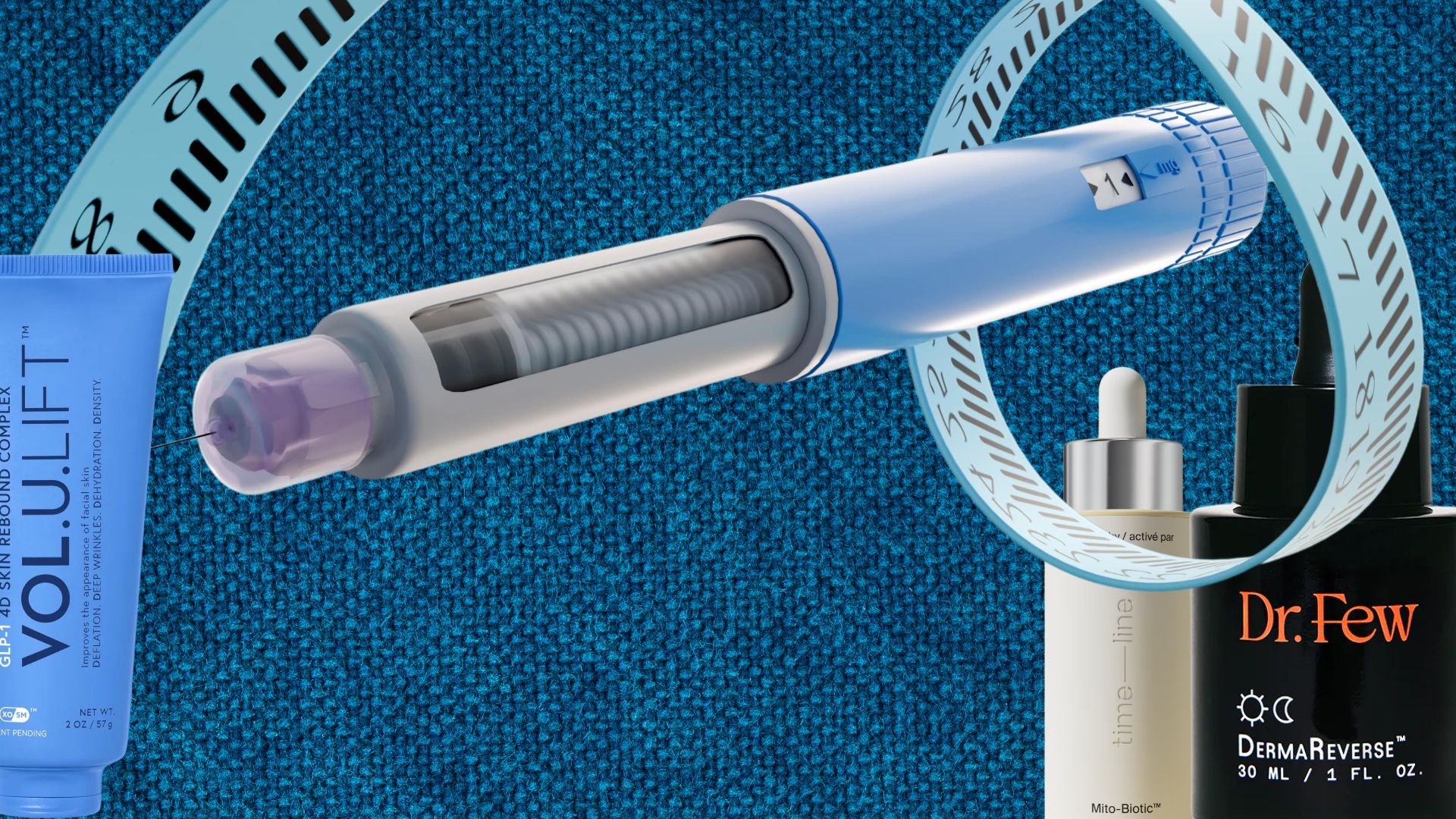
GLP-1 skincare is quickly becoming the most talked-about category in the beauty industry in 2026, as approximately 12% of US adults now use GLP-1 medications like Ozempic, Wegovy, and Mounjaro. The rapid weight loss these drugs deliver has created a wave of skin concerns — from facial volume loss and sagging to dullness and dehydration — that beauty brands are racing to address. What started as a whispered side effect called "Ozempic face" has evolved into an entirely new beauty category worth billions, with major brands and indie innovators alike developing targeted solutions for the millions of consumers navigating life on GLP-1 drugs.
What Is Ozempic Face and Why Is It Driving a Skincare Revolution?
Ozempic face is a term coined to describe the gaunt, aged appearance that can develop when patients on GLP-1 receptor agonists experience rapid weight loss. The face loses subcutaneous fat in the temples, cheeks, under-eye area (tear troughs), jawline, and along the nasolabial folds and marionette lines. This deflation can make patients look significantly older, even as their body weight reaches healthier levels.
According to a 2023 JAMA study, more than 70% of current GLP-1 users are women, and this demographic also demonstrates a higher likelihood of investing in skincare solutions. With 45% of US adults classified as obese and over 50% diabetic or prediabetic, the addressable market for GLP-1 medications — and consequently GLP-1 skincare — continues to expand at double-digit rates year over year.
The result is a perfect storm: millions of women experiencing real, visible skin changes and actively searching for products that can help restore what weight loss has taken away. Beauty brands that once focused on traditional anti-aging are now pivoting to address this specific, medically-driven consumer need.
The Rise of Metabolic Beauty: A New Skincare Category
Metabolic beauty is the umbrella term industry insiders are using to describe this emerging category. Unlike traditional skincare that targets surface-level concerns, metabolic beauty products optimize cellular function — targeting ATP production, mitochondrial health, inflammation reduction, and barrier repair at the deepest levels of skin biology.
Pia Fisher, Beauty Strategist at trend forecasting agency WGSN, stated that "Ozempic and other GLP-1 medications aren't just trending — they're transforming" the entire beauty market. She noted that consumers are reframing beauty as "emotional infrastructure," and brands are "directly calling out GLP-1-related concerns in product copy" while actively recruiting GLP-1 users into clinical trials.
According to a Mintel report, metabolic health and preventative wellbeing represent one of the fastest-expanding categories in global beauty. The convergence of pharmaceutical innovation with cosmetic science is creating products that were unimaginable just two years ago — topical formulations that work with the body's metabolic pathways rather than merely masking symptoms on the surface.
Breakthrough Products: What GLP-1 Skincare Looks Like in 2026
The first wave of dedicated GLP-1 skincare has arrived, and these products are unlike anything previously seen in the beauty aisle.
Leading the charge is IMAGE Skincare's VOL.U.LIFT GLP-1 4D Skin Rebound Complex, the first major skincare product specifically engineered to address the visible effects of GLP-1 usage. Formulated by a plastic surgeon, VOL.U.LIFT targets four primary aging concerns that GLP-1 users experience: deflation, deep wrinkles, dehydration, and density loss. The product features a proprietary blend of next-generation hyaluronic acid, bakuchiol (a gentle retinol alternative), biomimetic collagen fragments, and amino acids, all powered by patent-pending XOSM technology designed to enhance ingredient penetration.

Clinical results from a 12-week study of 29 participants aged 35 to 65 — all of whom had experienced weight loss due to GLP-1 agonists, GIP drugs, or gastric bypass surgery — showed visible improvements starting at just 4 weeks, with optimal results at 12 weeks of twice-daily application. Encapsulated antioxidants including ectoin, vitamin C, and astaxanthin-rich microalgae further boost the formula's performance.
Another emerging player is DermaReverse, whose GLPSGLT topical serum is gaining traction among GLP-1 users for its skin-brightening and smoothing effects. Meanwhile, established brands like SkinCeuticals, Murad, and Paula's Choice are repositioning their existing peptide and hyaluronic acid products to specifically target the GLP-1 consumer segment.
The 7 Key Ingredients Dermatologists Recommend for GLP-1 Users
Dermatologists and cosmetic chemists have identified a core set of ingredients that specifically address the skin concerns associated with GLP-1 weight loss medications. Understanding these ingredients is crucial for anyone building a post-weight-loss skincare routine.
Coenzyme Q10 (CoQ10), often called "the cellular spark plug," supports energy production at the mitochondrial level and helps restore the metabolic vitality that rapid weight loss can diminish. Niacinamide (Vitamin B3) is a multi-tasking ingredient that strengthens the skin barrier, reduces inflammation, and supports overall skin resilience — all critical concerns for GLP-1 users. Peptides serve as molecular messengers that stimulate collagen production, helping to rebuild the structural matrix that deflation has weakened.
Growth factors and biomimetic collagen fragments represent the cutting edge of GLP-1 skincare science, supporting genuine skin regeneration rather than temporary plumping. Adaptogens like ginseng and reishi mushroom help skin adapt to the metabolic stress of rapid weight changes. Prebiotics and probiotics nurture the skin microbiome, which can become disrupted during significant body composition changes. Finally, advanced forms of hyaluronic acid — particularly multi-molecular-weight complexes — provide hydration at multiple skin depths, addressing the dehydration that GLP-1 users commonly experience.
Professional Treatments: Beyond the Bottle
For GLP-1 users seeking more intensive solutions, the aesthetic medicine landscape is rapidly evolving. Non-surgical treatments that specifically target post-GLP-1 volume loss include microneedling combined with growth factor serums, radiofrequency and ultrasound skin tightening devices, and exosome facials that deliver regenerative cellular signals directly to depleted skin.
Sculptra, a collagen-stimulating injectable, has emerged as one of the most popular professional treatments for Ozempic face, with a Galderma clinical trial demonstrating that 91.4% of patients would recommend a combination of Sculptra and Restylane injections for volume restoration. Micro-dosed neuromodulators and red/near-infrared LED therapy are also gaining significant traction among GLP-1 patients seeking comprehensive facial rejuvenation.
The at-home device market is responding too, with LED masks, microcurrent tools, and red light therapy caps for scalp rejuvenation (addressing GLP-1-associated hair shedding) becoming increasingly popular among consumers who want professional-level results between office visits.
The Faux-zempic Countertrend: Natural Alternatives on the Rise
Not everyone is embracing the pharmaceutical approach. WGSN has identified "Faux-zempic" as one of its top trends for 2026 — a counterculture movement of pharma-hesitant consumers seeking natural weight-support supplements and slower, systems-based well-being alternatives. This segment is driving demand for adaptogenic blends, metabolic-boosting skincare ingredients, and holistic beauty rituals that promise similar benefits without prescription medication.
This dual market — pharmaceutical users needing skin support and natural-wellness seekers wanting metabolic beauty benefits — is expanding the total addressable market far beyond the GLP-1 patient population alone. Major companies including P&G, Unilever, L'Oreal, and Johnson & Johnson are reportedly developing or repositioning products to capture both segments.
What This Means for Your Skincare Routine
Whether you are currently using GLP-1 medications or simply interested in the metabolic beauty approach, experts recommend focusing on three pillars: repair, restore, and protect.
For repair, incorporate peptides and growth factors that actively stimulate collagen production and cellular regeneration. Look for products containing biomimetic collagen fragments, EGF (epidermal growth factor), and advanced peptide complexes. For restoration, prioritize multi-weight hyaluronic acid serums, ceramide-rich moisturizers, and barrier-repair formulations that replenish what weight loss depletes. For protection, antioxidant shields featuring vitamin C, astaxanthin, and ectoin help prevent further damage while supporting the skin's natural defense mechanisms.
Consistency matters more than complexity. Dermatologists emphasize that a streamlined routine used twice daily will outperform an elaborate regimen used sporadically. Start with a gentle cleanser, follow with an active serum (peptides or growth factors), layer a hydrating moisturizer, and finish with broad-spectrum SPF in the morning.
FAQ
Q: What is GLP-1 skincare and who needs it?
A: GLP-1 skincare refers to products specifically formulated to address skin concerns caused by GLP-1 receptor agonist medications like Ozempic, Wegovy, and Mounjaro. These medications cause rapid weight loss that can lead to facial volume loss, skin laxity, dehydration, and dullness. While designed for GLP-1 users, these products benefit anyone experiencing skin deflation from significant weight loss.
Q: Does Ozempic face go away on its own?
A: Ozempic face does not typically resolve on its own without intervention. The facial fat loss that causes the gaunt appearance is a direct result of overall body fat reduction. However, targeted skincare products, professional treatments like Sculptra and dermal fillers, and collagen-stimulating procedures can significantly improve the appearance. Starting a preventive skincare routine when beginning GLP-1 medication is recommended.
Q: What are the best ingredients for Ozempic face in 2026?
A: The most effective ingredients for addressing Ozempic face include multi-molecular-weight hyaluronic acid for deep hydration, peptides and biomimetic collagen fragments for structural support, bakuchiol for gentle cell turnover, growth factors for regeneration, and CoQ10 for cellular energy. IMAGE Skincare's VOL.U.LIFT and products containing XOSM technology represent the current gold standard in GLP-1-targeted formulations.
Q: How long does it take for GLP-1 skincare products to show results?
A: Based on clinical studies of products like IMAGE VOL.U.LIFT, visible improvements can begin as early as 4 weeks with twice-daily use. Optimal results are typically seen at 12 weeks of consistent application. Professional treatments like Sculptra may show results sooner but require multiple sessions over several months for full effect.
Q: Can you prevent Ozempic face while taking GLP-1 medications?
A: While complete prevention may not be possible, a proactive skincare approach can significantly minimize the effects. Dermatologists recommend starting a collagen-supporting, barrier-repair skincare routine as soon as you begin GLP-1 medication. Maintaining adequate hydration, using SPF daily, and incorporating peptides and growth factors into your routine can help preserve skin elasticity during weight loss.
The Bottom Line
GLP-1 skincare represents a seismic shift in the beauty industry — the first time a pharmaceutical category has spawned an entirely new cosmetic segment virtually overnight. With 12% of US adults on GLP-1 medications and adoption accelerating globally, the demand for products that address Ozempic face and metabolic skin concerns will only grow. Whether through targeted products like IMAGE VOL.U.LIFT, professional treatments, or the emerging metabolic beauty approach, consumers now have more scientifically-backed options than ever to maintain healthy, vibrant skin alongside their weight loss journey. The beauty industry's response to GLP-1 drugs proves that the future of skincare is no longer just about looking younger — it is about supporting the skin through the body's most profound metabolic transformations.
Sources: NutraIngredients | Marie Claire | Kantar | Kintsu MedSpa | Skin Elite


댓글
댓글 쓰기