Glass Hair 2026: K-Beauty's Hottest Hair Trend Takes Over Sephora With UNOVE, Dr. Groot and More
Glass Hair 2026: How K-Beauty's Hottest Hair Trend Is Redefining Hair Care at Sephora and Beyond
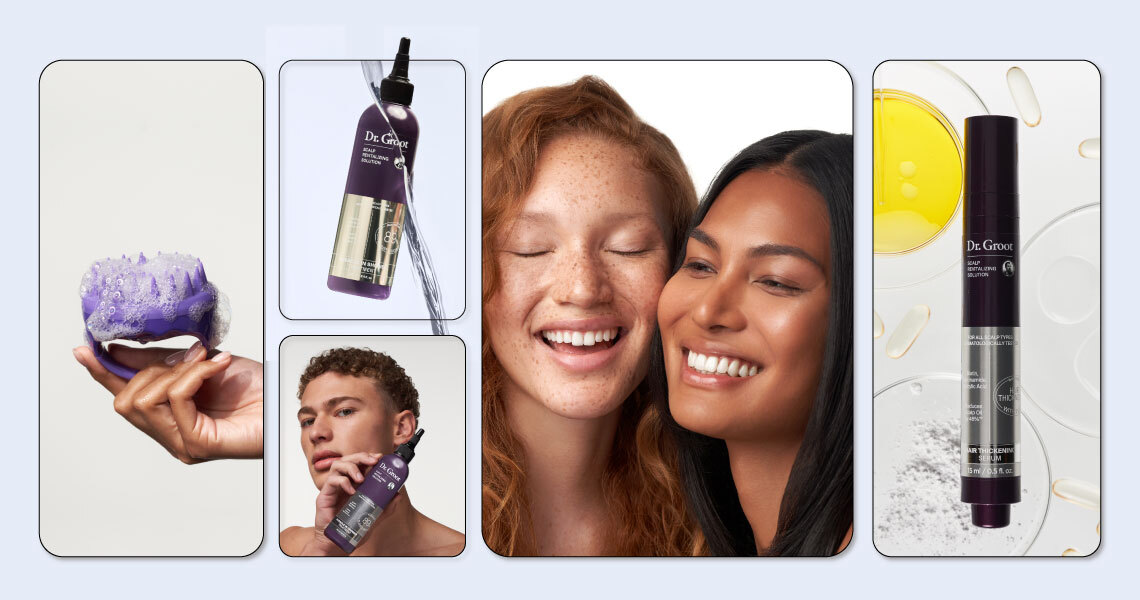
Glass hair — the ultra-smooth, mirror-reflective finish that first went viral on Korean drama sets and Seoul street style — has officially crossed from social media aspiration to mainstream beauty movement in 2026. After K-beauty transformed global skincare with the iconic "glass skin" philosophy, Korean brands are now applying the same science-driven, barrier-repair logic to hair care. And Sephora, the world's most influential beauty retailer, is betting big on the trend by onboarding a wave of Korean hair care brands for the first time in its history. Here is everything you need to know about the glass hair trend, the products driving it, and why 2026 is the year Korean hair care goes global.
What Is Glass Hair? The K-Beauty Philosophy Behind the Trend
Glass hair is more than just shiny hair. It describes a specific aesthetic — smooth, reflective, and luminous strands that look healthy from root to tip, without any hint of grease or product buildup. The term originated in Korean beauty culture as a natural extension of glass skin, the K-beauty concept that shifted the global conversation from heavy coverage to deep care and hydration.
Where Western hair trends have historically focused on volume, texture, and "lived-in" styles, the glass hair approach prioritizes hair health at the structural level. Think of it as the difference between applying a gloss topcoat versus actually repairing the cuticle layer so hair reflects light naturally. Korean hair care brands have built entire product ecosystems around this philosophy, borrowing ingredients and methodology straight from the skincare world — ceramides, peptides, protein treatments, and scalp-first formulations.
According to K-beauty industry data, the glass hair trend has been growing rapidly on search engines and social media platforms going into 2026, with TikTok creators and K-drama stylists fueling demand for products that deliver that signature mirror-like shine without silicone-heavy shortcuts.
Sephora Goes All-In on Korean Hair Care in 2026
In a landmark move that signals the mainstreaming of K-beauty hair care, Sephora has begun onboarding multiple Korean hair care brands throughout 2026. This expansion marks a significant strategic shift for the retailer, which has long dominated K-beauty in the skincare category but had minimal Korean presence in its hair care aisles.
The first brand to arrive was UNOVE, which launched in mid-January 2026 with seven SKUs priced between $13 and $28. UNOVE debuted as Sephora's first dedicated Korean glass hair brand, featuring two core collections: a frizz-calming "glass hair" line and a damage repair hero line built around high-concentration keratin technology.
Following UNOVE, Sephora added PDRN-powered Rejuran to its hair care roster and announced that Dr. Groot, an LG-owned brand and the number one hair-thickening brand in Korea, would launch online on April 1, 2026, with in-store rollout following in May. Dr. Groot's performance numbers are staggering: $18.1 million in earned media value (up 403.4% year-over-year) and 1,027% growth in U.S. digital net sales.
Jennifer Lucchese, SVP of Hair-Care Merchandising at Sephora, confirmed the retailer's commitment: "We're excited to expand into additional categories within Korean Beauty, especially following our recent partnership announcement with Olive Young." That Sephora-Olive Young partnership, which will debut a curated K-beauty section this fall, further cements Korean beauty's position at the center of global beauty retail.
UNOVE: The Brand That Made Glass Hair Mainstream
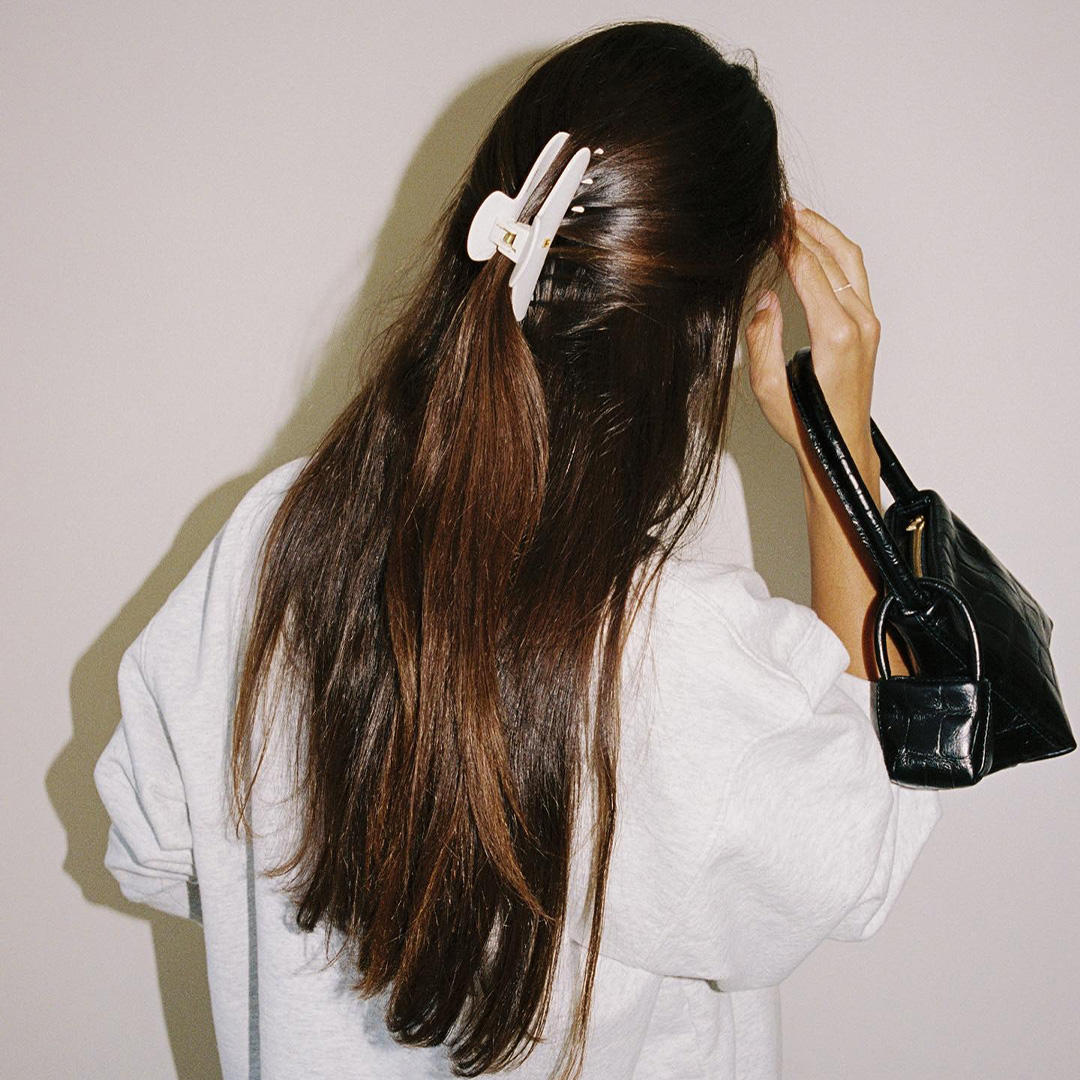
UNOVE launched in Korea in 2021, right as glass hair was taking over salons, beauty editorials, and K-drama screens. But unlike brands that chased the trend with quick-fix glossing products, UNOVE leaned into a repair-first philosophy. The brand's approach borrows heavily from skincare logic: focus on protein structure, cuticle repair, and long-term hair health rather than superficial shine.
The hero ingredient across the UNOVE lineup is Keratin-PF, a highly concentrated keratin complex at 30,000ppm designed to rebuild hair structure from the inside out. The Deep Damage Treatment EX, one of the brand's best-selling products, contains 36 types of proteins and nutrients including hydrolyzed silk, collagen, and soy protein. Reviewers describe the texture as "almost like Greek yogurt" — thick and balmy, melting into a creamy gel when applied to wet hair.
After two weeks of consistent use, testers report visible "angel ring" shine (the halo of reflected light at the crown that signals healthy hair in Korean beauty standards), significantly increased softness, and notable frizz reduction. The brand's product range includes shampoo, conditioner, hair mask, leave-in conditioner, hair oil, and a taming wand — a complete system designed to build results gradually rather than deliver instant but fleeting effects.
Celebrity hairstylist Jenny Cho serves as UNOVE's brand ambassador, lending professional credibility to its glass hair positioning. Independent reviews have rated the Sephora launch at 4.5 out of 5, praising it as a "genuinely impressive" and "thoughtfully built system" for achieving smoother, healthier-looking hair.
Dr. Groot: Korea's Number One Hair Thickening Brand Arrives in the U.S.
While UNOVE focuses on glass-like smoothness and repair, Dr. Groot tackles another major concern: hair thinning and scalp health. Owned by LG, Dr. Groot has been Korea's top hair thickening brand for years, and its expansion into Sephora represents one of the biggest K-beauty hair care launches of 2026.
Dr. Groot's philosophy aligns with the broader K-beauty principle that healthy hair starts at the scalp — a concept often described as the "skinification of hair care." Just as Korean skincare treats the face as an ecosystem requiring balanced care, K-beauty hair brands treat the scalp as the foundation from which healthy, glass-like hair grows.
The brand's social media metrics reflect explosive Western demand: 30,000 Instagram followers, 69,000 TikTok followers, and a 403% year-over-year increase in earned media value. Celebrity hairstylist Mark Townsend has emerged as an unofficial advocate for the brand, further driving awareness among American consumers seeking Korean hair care solutions.
Why K-Beauty Hair Care Is Different: The Scalp-First, Regimen-Based Approach
To understand why glass hair products from Korea feel fundamentally different from Western hair care, you need to understand the underlying philosophy. Korean hair care is built on a regimen-based approach that mirrors the famous multi-step Korean skincare routine. Instead of relying on a single shampoo-conditioner combo, K-beauty hair care emphasizes gentle daily cleansing to prevent buildup, weekly protein or moisture masks to restore balance, lightweight essences or mists for ongoing hydration, targeted scalp treatments for follicle health, and heat protection to preserve cuticle integrity.
This approach requires consistency rather than complexity. The glass hair result comes not from any single miracle product but from a disciplined routine that addresses hair health at every level — much like how glass skin emerges from layered hydration rather than one heavy moisturizer.
The ingredient crossover between K-beauty skincare and hair care is striking. Brands are now incorporating PDRN (polydeoxyribonucleotide, the "salmon DNA" ingredient), peptides, ceramides, and even exosomes into hair treatments. Rejuran, which Sephora added alongside UNOVE, is built entirely around PDRN technology for scalp regeneration — the same ingredient that has become one of the hottest trends in Korean skincare.
The "Skinification of Hair Care" Goes Global in 2026
The glass hair movement is part of a much larger trend that beauty analysts are calling the "skinification of hair care." This concept extends skincare principles — barrier repair, microbiome support, active ingredients, clinical testing — into scalp and hair products. In 2026, this trend is accelerating faster than ever.
According to data from Trendier AI, which monitors 37 e-commerce channels across 18 countries, K-beauty hair care is among the fastest-growing categories in the global beauty market. VT Cosmetics and COSRX, two brands traditionally known for their skincare lines, have expanded into hair care with scalp-focused products that use skincare-grade ingredients.
Olive Young, Korea's leading beauty and health retailer, has identified emerging K-haircare as one of its top trend categories for 2026, noting that scalp care and hair regrowth products using clinical-grade actives represent a massive growth opportunity. The Sephora-Olive Young partnership announced for fall 2026 will likely accelerate this trend even further, giving Western consumers direct access to Seoul's latest hair care innovations.
South Korea's cosmetics exports reached $11.43 billion globally in 2025, up 12.3% from 2024, with the country surpassing France as the biggest cosmetics exporter to the United States. Hair care is poised to be the next major category driving this growth.
How to Get Glass Hair at Home: A Starter Guide
Adopting the glass hair routine does not require a complete overhaul of your hair care regimen. Start with these core principles drawn from K-beauty hair philosophy:
First, invest in a gentle, sulfate-free shampoo that cleanses without stripping. Korean hair care brands emphasize preserving natural oils and scalp balance. Second, incorporate a weekly protein treatment or hair mask — products like UNOVE's Deep Damage Treatment EX deliver concentrated keratin to rebuild hair structure over time. Third, add a lightweight leave-in treatment or hair essence to maintain hydration between washes. Fourth, always use heat protection before styling, as cuticle preservation is essential for that reflective glass finish. Finally, consider a scalp serum or treatment to support the foundation from which healthy hair grows.
The key insight from K-beauty hair care is patience. Glass hair is not achieved overnight — it is built through consistent, gentle care that strengthens hair at the structural level. Most users report seeing visible improvement after two to four weeks of consistent use.
What Experts and Stylists Are Saying
The beauty industry is paying close attention to the glass hair movement. Integrated facialist April Brodie notes that the overall K-beauty aesthetic is evolving: "The aesthetic is evolving from ultra-reflective glass skin to what I call bloom skin" — and the same principle applies to hair, where the goal is healthy luminosity rather than artificial gloss.
Industry experts emphasize that what sets Korean hair care apart is its foundation in research and development. Korean brands invest heavily in clinical testing and ingredient innovation, drawing from decades of skincare R&D to create hair products with genuine efficacy rather than marketing-driven formulations.
Lucie Shin, Head of Data Business at Trendier AI, has highlighted emerging K-haircare as one of the top seven data-backed K-beauty trends for 2026, noting that brands are "expanding into haircare with scalp care and hair regrowth using skincare-grade ingredients" — a clear signal that this trend has robust commercial momentum behind it.
Frequently Asked Questions About Glass Hair
Q: What is glass hair and how is it different from regular shiny hair?
A: Glass hair is a K-beauty hair trend that describes ultra-smooth, mirror-reflective strands achieved through structural repair rather than surface-level glossing products. Unlike regular shiny hair that may rely on silicone coatings, glass hair comes from genuinely healthy, protein-rich strands with intact cuticles that naturally reflect light.
Q: What are the best glass hair products available at Sephora in 2026?
A: Sephora launched its first Korean glass hair brand, UNOVE, in January 2026 with seven products priced $13-$28, including a glass hair oil, deep damage treatment, and leave-in conditioner. Dr. Groot (launching April 2026) and Rejuran are also available for scalp care and hair regeneration.
Q: How long does it take to achieve glass hair results?
A: Most users report visible improvement after two to four weeks of consistent use with Korean hair care products. The glass hair approach is regimen-based, building results gradually through cuticle repair and protein restoration rather than delivering instant but temporary effects.
Q: Is the glass hair trend suitable for all hair types?
A: Yes, but product selection matters. Those with fine or thin hair should choose lightweight formulations to avoid weighing hair down, while those with thick, coarse, or damaged hair can benefit from richer treatments like protein masks and hair oils. The key principle — structural repair through gentle, consistent care — applies universally.
Q: What ingredients should I look for in glass hair products?
A: Look for concentrated keratin (UNOVE uses 30,000ppm Keratin-PF), hydrolyzed proteins (silk, collagen, soy), ceramides for cuticle sealing, peptides for strengthening, and PDRN for scalp regeneration. Avoid products that rely primarily on heavy silicones, which create a temporary shine effect without addressing underlying hair health.
The Bottom Line
Glass hair is not just another fleeting beauty trend — it represents a fundamental shift in how we think about hair care, driven by the same science-first, health-focused philosophy that made K-beauty skincare a global phenomenon. With Sephora's aggressive expansion into Korean hair care, the Olive Young partnership on the horizon, and brands like UNOVE, Dr. Groot, and Rejuran bringing clinical-grade formulations to Western shelves, 2026 is shaping up to be the year that K-beauty hair care goes truly mainstream.
The glass hair movement asks a simple but powerful question: what if we treated our hair with the same care, science, and respect that Korean skincare brought to our faces? For millions of consumers worldwide, the answer is already clear — and the results speak for themselves.
Sources: Glossy | BeautyMatter | Who What Wear | Refinery29 | Cosmetics Business


댓글
댓글 쓰기