Exosome Skincare 2026: What Dermatologists Really Think About the Buzzy Anti-Aging Ingredient
Exosome Skincare 2026: What Dermatologists Really Think About the Buzzy Anti-Aging Ingredient

Exosome skincare has rapidly emerged as one of the most talked-about innovations in the beauty industry in 2026, with dermatologists, beauty editors, and skincare enthusiasts all weighing in on whether these microscopic messengers truly deliver clinic-level results from a bottle. Once confined to professional dermatology clinics and regenerative medicine labs, exosome-based skincare products are now flooding the at-home beauty market, promising everything from enhanced collagen production to accelerated skin recovery. But with a market valued at approximately $251 million and no FDA-approved exosome products currently on the shelves, the question remains: are exosomes the real deal, or just another overhyped ingredient?
What Are Exosomes and How Do They Work in Skincare?
Exosomes are tiny, naturally occurring vesicles — essentially bubble-like sacs — secreted by nearly all types of cells in the human body. First discovered in the 1980s, they were initially dismissed as cellular waste. Scientists have since recognized that exosomes serve a critical function: they act as microscopic delivery trucks, ferrying "packages" of proteins, lipids, growth factors, and microRNA between cells to regulate how neighboring cells behave.
In the context of skincare, exosomes function as cellular messengers that can signal skin cells to ramp up collagen production, reduce inflammation, and accelerate the healing process. As Robin Smith, founder of exosome skincare brand Exoceuticals, explains: "It's like a cargo of goodies that also has instructions — it goes to someone's house, it drops off the packages, and it has the instructions." This delivery mechanism is what makes exosome skincare fundamentally different from traditional active ingredients like retinol or vitamin C, which work by directly interacting with skin cells rather than communicating through cellular signaling pathways.
The sources of exosomes used in skincare products vary significantly. They can be derived from human tissue — including fat cells, platelets, and stem cells — or from plant sources such as cica (centella asiatica), green tea, grapefruit, and watermelon. Human-derived exosomes are typically biomanufactured via FDA-compliant blood banks using cell cultures grown in a liquid medium, then purified and freeze-dried for incorporation into topical products. Plant-derived exosomes, on the other hand, are extracted directly from botanical sources and are generally considered safer because they carry no risk of human pathogen transmission.
Why Exosomes Are Taking Over the Beauty Industry in 2026
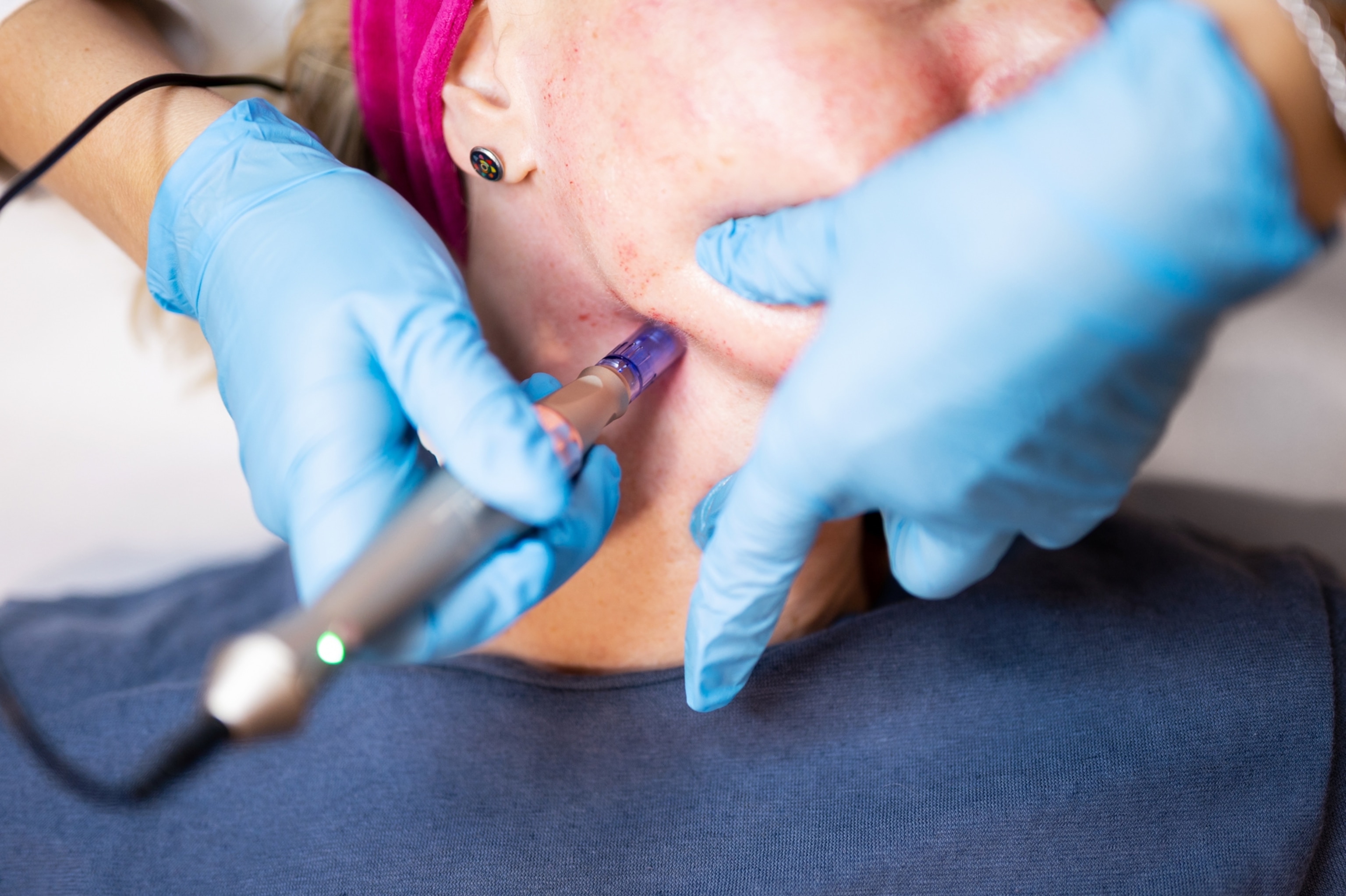
The exosome skincare trend in 2026 is being driven by several converging factors. First, the broader skincare industry is shifting toward what experts call "regenerative aesthetics" — a philosophy that prioritizes stimulating the skin's own repair mechanisms rather than simply masking imperfections with topical treatments. Exosomes fit perfectly into this paradigm because they communicate directly with cells to promote regeneration from within.
Second, the K-beauty innovation pipeline continues to fuel global skincare trends. Exosome treatments have been popular in Korean dermatology clinics for years, and Korean brands like Medicube have been instrumental in bringing exosome-infused products to the mass market. The convergence of exosomes with other trending K-beauty ingredients — including PDRN (salmon DNA) and spicules — has created a new category of "medicosmetic" products that blur the line between cosmetic skincare and clinical treatments.
Third, the skin longevity movement that has defined skincare in 2026 has shifted consumer priorities from short-term fixes to long-term skin health investments. Exosomes, with their ability to promote cellular communication and regeneration, align perfectly with the "skinvestment" mentality that has consumers treating their skincare routines as preventative health measures rather than cosmetic rituals.
Human-Derived vs. Plant-Derived Exosomes: What Is the Difference?
Not all exosome skincare products are created equal, and understanding the distinction between human-derived and plant-derived exosomes is crucial for making an informed purchase in 2026. Human-derived exosomes are harvested from human platelets, stem cells, or adipose (fat) tissue. Because they originate from human cells, they are biologically compatible with human skin and can carry a rich payload of growth factors and signaling molecules that closely mirror the skin's natural regenerative processes.
However, human-derived exosomes come with notable concerns. The FDA classifies them as biologic drugs, and there are currently no industry-wide "gold standards" for testing purity, potency, or pathogen contamination. As Saranya Wyles of the Mayo Clinic notes, "If it's coming from a regenerative cell like the platelet, it can have positive regenerative cues" — but the lack of standardized quality controls means that consumers must rely heavily on brand reputation and third-party testing.
Plant-derived exosomes, sourced from botanicals like green tea, rice, and citrus fruits, offer a safer alternative with no risk of human pathogen transmission. They are also more accessible to brands committed to vegan and cruelty-free formulations. While plant-derived exosomes may not carry the same density of human-compatible growth factors, advances in encapsulation technology in 2026 are enabling more effective delivery of plant-based bioactive compounds. Suppliers are now launching plant-derived exosomes and plant-derived PDRN, giving clean beauty brands access to cutting-edge regenerative technology without compromising their ethical standards.
The Best Exosome Skincare Products to Try in 2026
The exosome skincare market in 2026 spans a wide price range, from drugstore-accessible serums to luxury clinical treatments. Here are the standout products that have caught the attention of dermatologists and beauty editors alike:
The Plated Intense Serum ($258) remains the gold standard for human-derived exosome skincare. Using proprietary Renewosome technology, Plated sources its exosomes from human platelets, delivering a concentrated payload of growth factors that has earned endorsements from board-certified dermatologists. Over 300 leading clinics have integrated Plated products into their post-procedure protocols.
For those seeking a more accessible entry point, The Inkey List Exosome Hydro-Glow Serum ($22) offers plant-derived exosomes at a fraction of the cost. This budget-friendly option has been praised for its ability to boost collagen production and deliver visible hydration improvements, making exosome technology accessible to everyday consumers.
The Medicube Zero Exosome Shot ($22-39) represents K-beauty's contribution to the exosome space, combining exosomes with spicule technology for a microneedling-alternative experience. This dual-action approach aligns with the broader K-beauty trend of combining multiple active technologies in a single product.
At the luxury end, 111Skin's Exosome Face Lift ($825) offers a two-step clinical-grade treatment comprising the Exosome Shot Serum and Exosome Overnight Mask. Meanwhile, Dr. Barbara Sturm's Exoso-Metic Face Serum ($535) targets mature skin with a formulation designed to address age-related cellular decline.
The Skinfix Exo + Ectoin Baume ($69) rounds out the options for sensitive skin types, combining exosome technology with ectoin — a natural stress-protection molecule — for barrier support without irritation.
What Dermatologists Really Think About Exosome Skincare
The dermatology community remains cautiously optimistic about exosome skincare in 2026, though opinions are far from unanimous. Dr. Mona Gohara, a board-certified dermatologist, acknowledges the commercial appeal: "Exosomes are skin care gold for brands looking to market innovation." However, she emphasizes the importance of distinguishing between marketing claims and clinical evidence.
Dr. Corey L. Hartman offers a more measured assessment, noting that "there isn't enough research to show that exosomes perform at the same level as retinol, peptides, ceramides, and niacinamide." This is a critical point: while exosomes represent an exciting frontier in skincare science, they have not yet accumulated the decades of peer-reviewed clinical data that support established ingredients like retinoids and beta-glucan.
Dr. Asmi Berry takes a pragmatic middle ground: "They're not miracle workers on their own, but when used correctly, they can enhance skin recovery." This perspective reflects the emerging consensus among skincare professionals — exosomes are best understood as a complement to existing routines rather than a replacement for proven actives.
Most dermatologists agree that exosome serums are the most effective delivery format, as serums penetrate deeper into the skin than creams or lotions. Results for hydration and glow are typically visible within one week, while deeper improvements in texture and firmness require four to eight weeks of consistent use. Exosomes can generally be combined safely with retinol, peptides, and vitamin C, though pregnant or breastfeeding individuals should avoid human-derived formulations.
Safety Concerns and FDA Regulatory Status
The regulatory landscape surrounding exosome skincare is one of the most important — and most misunderstood — aspects of this trend. Currently, no exosome product has received FDA approval for cosmetic or medical use. The FDA classifies human-derived exosomes as biologic drugs, which means that any product making therapeutic claims would require regulatory clearance. However, topical skincare products can legally be sold without FDA approval as long as they do not make medical claims.
This regulatory gray area has raised legitimate safety concerns. Testing and quality control remain unregulated across the industry, and inconsistent screening standards among manufacturers mean that consumers cannot always verify the purity or potency of the exosomes in their products. Jordan Glenn of SuppCo highlights the evidence gap: "We can't say for certain whether improvements were due to the product or natural skin changes."
Plant-derived exosomes are generally considered safer from a regulatory perspective because they do not carry the risk of human pathogen transmission and are not classified as biologic drugs. For consumers concerned about safety, plant-derived formulations from established brands with transparent sourcing and third-party testing offer the most reliable option.
The FDA has issued warnings to clinics offering injectable exosome treatments without proper authorization, further underscoring the importance of distinguishing between at-home topical products and clinical procedures.
How to Incorporate Exosomes Into Your Skincare Routine
For those ready to explore exosome skincare in 2026, dermatologists recommend a measured approach. Start with a single exosome serum applied after cleansing and toning, but before heavier moisturizers and sunscreen. Because exosomes function as cellular communicators rather than direct actives, they can be layered with most existing skincare ingredients without concern for adverse interactions.
Morning routines can incorporate exosome serums before SPF application, while evening routines can pair them with retinol or peptide treatments for synergistic effects. The key principle aligned with the chrono-active skincare trend is to match the exosome product to your skin's circadian needs — regenerative formulations at night, protective ones during the day.
Budget-conscious consumers can start with affordable plant-derived options like The Inkey List's $22 serum before investing in premium human-derived formulations. Regardless of price point, consistency over four to eight weeks is essential for evaluating true results.
Frequently Asked Questions About Exosome Skincare
Q: Are exosomes in skincare safe to use?
A: Topical exosome skincare products are generally considered safe for most skin types. Plant-derived exosomes carry minimal risk, while human-derived formulations should be sourced from reputable brands with transparent manufacturing processes. However, no exosome product currently has FDA approval, and pregnant or breastfeeding individuals should consult a dermatologist before use.
Q: How long does it take to see results from exosome skincare?
A: Initial improvements in hydration and skin glow are typically visible within one week of consistent use. Deeper improvements in skin texture, firmness, and fine lines generally require four to eight weeks of regular application. As with all skincare, individual results vary based on skin type, age, and overall routine.
Q: What is the difference between exosomes and stem cells in skincare?
A: While both are associated with regenerative medicine, they work differently. Stem cells are actual cells capable of self-renewal and differentiation, whereas exosomes are tiny vesicles released by cells that carry signaling molecules. In skincare, exosomes deliver growth factors and communication signals without containing live cells, which makes them more stable in topical formulations and easier to manufacture at scale.
Q: Can I use exosome skincare with retinol?
A: Yes. Dermatologists generally consider exosomes compatible with retinol, peptides, vitamin C, and other common active ingredients. In fact, exosomes may help mitigate retinol-related irritation by supporting barrier repair and cellular recovery. Apply the exosome serum first, followed by retinol, to maximize absorption.
Q: Are expensive exosome serums worth the price?
A: The price of exosome skincare varies dramatically — from $22 to over $800. Human-derived exosome products tend to be more expensive due to complex manufacturing processes involving FDA-compliant blood banks and proprietary purification technologies. For most consumers, starting with an affordable plant-derived option is a sensible approach to determine whether exosome skincare delivers noticeable results for their specific skin concerns before committing to premium formulations.
The Bottom Line
Exosome skincare in 2026 represents one of the most scientifically intriguing — and commercially ambitious — trends in the beauty industry. The technology is grounded in legitimate cellular biology, and early results from both clinical settings and consumer use suggest genuine potential for skin regeneration, collagen stimulation, and accelerated recovery. However, the science is still evolving, and the lack of FDA regulation means consumers must approach exosome products with informed caution.
The smartest approach for skincare enthusiasts in 2026 is to treat exosomes as a promising addition to a well-rounded routine built on proven ingredients, rather than a wholesale replacement for established actives. Whether you start with a $22 plant-derived serum or invest in a $258 clinical-grade formulation, consistency, realistic expectations, and a healthy skepticism toward miracle claims will serve your skin far better than chasing the latest trend uncritically.
Sources: NBC News, National Geographic, BioInformant, Marie Claire


댓글
댓글 쓰기