Chrono-Active Skincare 2026: How Circadian Rhythm Science Is Revolutionizing Your Beauty Routine
Chrono-Active Skincare 2026: How Circadian Rhythm Science Is Revolutionizing Your Beauty Routine
Chrono-active skincare is emerging as the most scientifically compelling beauty trend of 2026, promising to transform how we approach our daily routines by aligning product formulations with the skin's natural circadian rhythm. Rather than applying the same serums and creams regardless of the time of day, chronocosmetics deliver specific active ingredients precisely when the skin is biologically primed to use them, maximizing efficacy and minimizing irritation. From celebrity dermatologists launching dedicated circadian skincare lines to Nobel Prize-winning science informing new delivery technologies, here is everything you need to know about this groundbreaking approach to skincare.
What Is Chrono-Active Skincare and Why Does It Matter in 2026?
Chrono-active skincare, also known as chronocosmetics or circadian rhythm skincare, is a formulation philosophy that synchronizes active ingredients with the body's internal biological clock. The concept is rooted in chronobiology, the study of biological rhythms, which earned the Nobel Prize in Physiology or Medicine in 2017 when researchers Jeffrey Hall, Michael Rosbash, and Michael Young decoded the molecular mechanisms controlling circadian rhythms.
Your skin operates on a precise 24-hour schedule governed by internal molecular clocks, specifically clock genes like PER1, BMAL1, and CRY. During the day, the skin focuses on defense and detoxification, building barriers against UV radiation, pollution, and free radicals. At night, it shifts into repair and regeneration mode, ramping up cell turnover, collagen synthesis, and DNA repair. Chrono-active skincare leverages this natural cycle by delivering daytime actives that bolster protection and nighttime actives that accelerate restoration.
What makes 2026 the breakout year for circadian rhythm skincare is the convergence of advanced delivery technologies, clinical validation, and consumer demand for simplified yet scientifically rigorous routines. The trend aligns perfectly with the broader skincare longevity movement, where consumers are treating their routines as long-term investments in skin health rather than quick cosmetic fixes.
The Science Behind Your Skin's Clock: Day vs. Night
Understanding why chrono-active skincare works requires a closer look at the skin's biological rhythms. Research has consistently demonstrated that the skin's functions are not constant but fluctuate dramatically throughout the 24-hour cycle.
During daytime hours, the skin's primary agenda is defense. Sebum production peaks in the early afternoon, providing a natural lipid barrier. The skin's pH is slightly more acidic during the day, enhancing antimicrobial protection. Antioxidant enzyme activity ramps up to combat environmental oxidative stress from UV exposure and air pollution. This is precisely why chrono-active daytime formulations focus on antioxidants like polyphenols, carotenoids, and coenzyme Q10 that neutralize reactive oxygen species (ROS) as they form.
As evening approaches, the skin undergoes a remarkable transition. Blood flow to the skin increases, boosting nutrient delivery. Transepidermal water loss (TEWL) rises, which is why overnight hydration is critical. Cell division and DNA repair activity peak between 11 PM and 4 AM. Collagen synthesis accelerates during sleep, driven by growth hormone release. This nocturnal window is when the skin is most receptive to repair-oriented actives like retinoids, peptides, and ceramides.
Clinical evidence supports this approach. Studies have shown that nighttime peptide application improved collagen density by 28%, while morning antioxidant treatment reduced oxidative stress biomarkers by 32%. Perhaps most impressively, synchronized application of fermented actives and antioxidants restored clock gene rhythm in 87% of volunteers, suggesting that chrono-active skincare can actually repair disrupted circadian cycles in the skin itself.
Key Chrono-Active Ingredients to Look For
The chrono-active skincare category has spawned an entirely new class of ingredients specifically designed to work with the skin's temporal biology. Here are the most important ones shaping the market in 2026:
Chrono-Peptides: Biomimetic peptides engineered to enhance collagen synthesis specifically during the nocturnal DNA repair window. Unlike traditional peptides that work passively whenever applied, chrono-peptides are designed to interact with clock gene expression patterns for amplified nighttime results.
Melatonin Mimetics: As the body's natural sleep hormone, melatonin plays a crucial role in skin repair signaling. Melatonin mimetics in skincare restore this signaling pathway, particularly beneficial for those whose natural melatonin production is disrupted by blue light exposure and irregular sleep patterns.
Timed-Release Antioxidants: Rather than delivering a burst of antioxidant protection that depletes within hours, these formulations use chrono-encapsulation technology to provide sustained defense throughout the day, matching the skin's fluctuating exposure to environmental stressors.
Blue-Light Adaptogens: Plant molecules that specifically protect the skin's circadian balance from the disruptive effects of digital screen exposure. With the average person spending over seven hours daily in front of screens, these adaptogens address a uniquely modern threat to skin health.
Chrono-Ferments: Fermented actives that adjust their enzyme activity based on circadian gene expression patterns, essentially becoming more or less active depending on the time of day they encounter the skin's biology.
Breakthrough Brands Leading the Circadian Skincare Revolution
Several pioneering brands have built their entire identity around circadian rhythm skincare, bringing laboratory science to the consumer market:
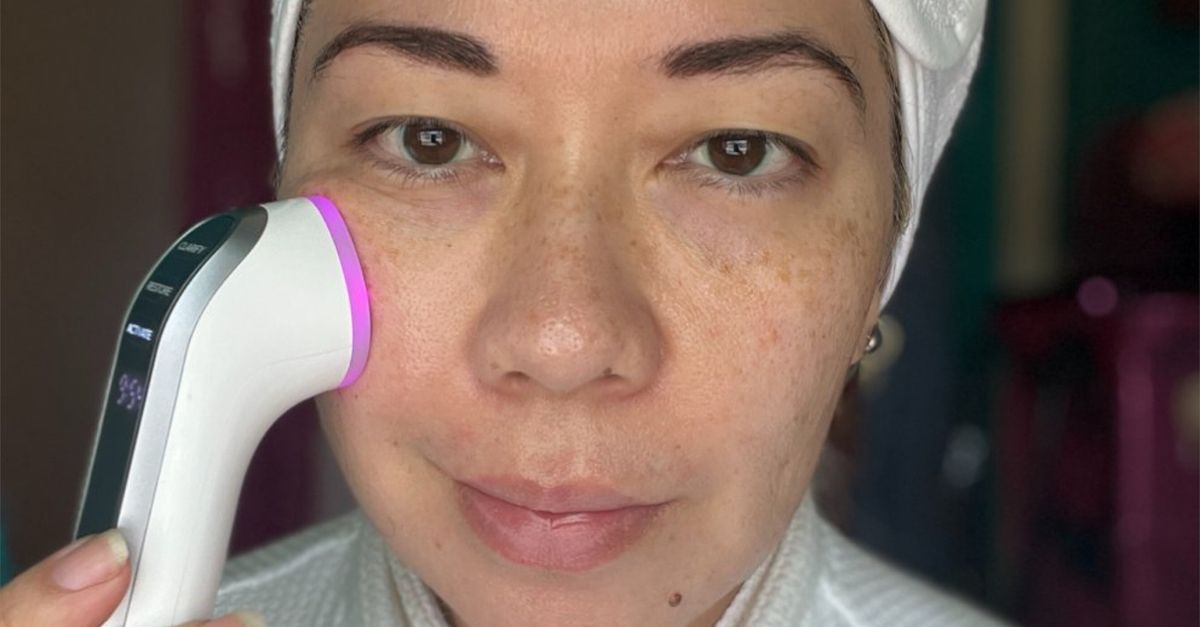
Althaea Skin by Dr. Ava Shamban: Perhaps the most talked-about launch in the circadian skincare space, Althaea Skin was created by celebrity dermatologist Dr. Ava Shamban, who spent nearly three years developing the line. The brand features two proprietary complexes: Solar Synq Technology for daytime defense, combining ingredients that support clock gene daytime functions with potent antioxidants, and Lunar Synq Technology for nighttime repair and renewal. The lineup includes a Day Serum ($180), Night Serum ($180) featuring Korean botanical-derived ingredients and melatonin, and an Awake Eye Gel ($105). The brand also offers the C.A.R.A. Multi-Modal Tool ($350) combining radio frequency, electrical muscle stimulation, and LED light therapy. The word "Althaea" translates to "healer" in Greek, reflecting the brand's restorative philosophy.
Noble Panacea Chronobiology Sleep Mask: This luxury sleeping mask harnesses OSMV (Organic Super Molecular Vessel) Technology to deliver active ingredients in a pre-programmed three-stage sequence calibrated to the overnight circadian rhythm. The "Detox" phase (11 PM to 4 AM) releases polyhydroxy acids and biotics, the "Repair" phase delivers retinol and peptides, and the "Nourish" phase releases ceramides and 2D hyaluronic acid enriched with five precious botanical oils during peak absorption hours. Dermatologist-approved and suitable for all skin types, it exemplifies how far chrono-active delivery technology has advanced.
Circadia by Dr. Peter T. Pugliese: A professional-grade skincare brand that has built its entire formulation philosophy around chronobiology, Circadia's products are designed to defend skin during the day and stimulate repair during sleep. The brand is widely used in medispa settings and has been a pioneer in bringing circadian science to aesthetic treatments.
CICERON: This newer brand takes a minimalist approach with just two core products, Aura for daytime and Nocte for nighttime, each deploying different active complexes aligned with circadian rhythms. Their focus is on the extracellular matrix and barrier resilience, targeting the structural foundations of healthy skin rather than surface-level symptoms.
Smart Delivery Systems: The Technology Making It All Possible
What truly sets chrono-active skincare apart from simply using different products morning and night is the delivery technology. Chrono-encapsulation represents a quantum leap in how active ingredients reach the skin.
Polymeric Chronospheres: Sequential-release microcapsules that deliver different actives at different times. A single application in the morning might release UV-protective compounds immediately, followed by anti-pollution peptides at midday, and barrier-repair ceramides as the day progresses. These microspheres respond to external cues like light intensity, temperature shifts, and pH changes.
Lipid Vesicles: These delivery vehicles mimic the skin's own barrier lipid timing, releasing hydrating and reparative molecules gradually in sync with the skin's natural lipid metabolism. They are particularly effective for overnight formulations, where sustained release over eight hours of sleep maximizes repair benefits.
Microalgae Actives: Marine-derived extracts that support the skin's clock gene synchronization. Microalgae naturally follow circadian patterns in the ocean, and their bioactive compounds can help recalibrate disrupted skin clocks, an increasingly common issue in our screen-saturated, always-on lifestyle.
How to Build a Chrono-Active Skincare Routine
Adopting a circadian rhythm skincare approach does not necessarily mean overhauling your entire routine. In fact, the beauty of chronocosmetics aligns with the 2026 trend toward simplified, streamlined regimens. Here is a practical framework:
Morning Protocol (Defense Mode):
- Gentle cleanser to remove overnight metabolic waste without stripping the barrier
- Antioxidant serum with vitamin C, niacinamide, or polyphenol complex
- Blue-light adaptogen treatment if you work at screens
- Moisturizer with SPF (the skin's defense phase needs UV protection above all)
Evening Protocol (Repair Mode):
- Double cleanse to remove daytime environmental debris and SPF
- Retinoid or chrono-peptide serum (cell turnover peaks at night)
- Hydrating treatment with ceramides and hyaluronic acid (TEWL peaks overnight)
- Overnight mask or sleeping pack 1-2 times per week for intensive circadian repair
The key principle is matching active categories to biological timing. Antioxidants, SPF, and barrier protectants belong in the morning. Retinoids, peptides, exfoliating acids, and intensive hydrators belong at night. This simple framework, backed by circadian biology, can meaningfully improve results from the same ingredients you may already be using.
Expert Insights: What Dermatologists Say About Chrono-Active Skincare
The dermatology community has taken notice of the chrono-active skincare movement. Dr. Ava Shamban, the board-certified dermatologist behind Althaea Skin, has emphasized that the skin has its own circadian rhythm influencing key functions such as cell regeneration, hydration levels, and barrier protection. Her research led to a deep dive into ingredients that tap into the skin's genetic needs during the day and night.
The 2026 trend also reflects broader shifts in how skincare experts view effectiveness. As Who What Wear reported, "The days of 50 different serums are done," with dermatologists increasingly recognizing that more steps often mean more problems. Chrono-active skincare offers a science-backed rationale for a focused, intentional routine rather than an excessive multi-step ritual.
Meanwhile, market data supports growing consumer interest in this approach. Boots' 2026 Beauty & Wellness Trends Report revealed that 80% of adults are now adopting a preventative approach to their beauty routines, and circadian skincare fits squarely into this "skinvestment" mentality. Consumers are increasingly viewing their routines through a longevity lens, understanding that working with the body's natural rhythms yields compounding benefits over years, not just days.
Frequently Asked Questions
Q: What is chrono-active skincare and how is it different from regular skincare?
A: Chrono-active skincare, also called chronocosmetics or circadian rhythm skincare, formulates products to work in sync with the skin's natural 24-hour biological clock. Unlike regular skincare that delivers the same actives regardless of timing, chrono-active products use specific defensive ingredients during the day and repair-focused ingredients at night, matching when the skin is biologically primed to use them. Some products even use timed-release delivery systems that automatically adjust active ingredient release throughout the day or night.
Q: Is chrono-active skincare worth the investment in 2026?
A: The science supporting circadian rhythm skincare is robust and growing. Clinical studies have demonstrated measurable improvements in collagen density and oxidative stress reduction when actives are applied in sync with the skin's clock. While premium brands like Althaea Skin and Noble Panacea carry luxury price tags, the core principle of matching ingredient types to time of day can be applied at any budget by simply using antioxidant protection in the morning and repair-oriented actives like retinol at night.
Q: Can chrono-active skincare help with disrupted sleep and screen exposure?
A: Yes. One of the most compelling aspects of circadian skincare in 2026 is its relevance to modern lifestyles. Blue light from screens and irregular sleep schedules can disrupt the skin's clock genes, leading to premature aging and impaired barrier function. Products containing melatonin mimetics and blue-light adaptogens specifically address these disruptions, and research suggests that properly formulated chrono-active products can help restore disrupted clock gene rhythms in the skin.
Q: Which ingredients should I use in the morning vs. at night for circadian skincare?
A: For morning application, focus on antioxidants (vitamin C, polyphenols, CoQ10), SPF, blue-light protection, and barrier-strengthening ingredients. For nighttime, prioritize retinoids, peptides, ceramides, hyaluronic acid, and exfoliating acids like PHAs. The skin's daytime biology is defense-oriented while nighttime biology focuses on repair and regeneration, so matching your actives to these phases maximizes their effectiveness.
The Bottom Line
Chrono-active skincare represents a genuine paradigm shift in beauty, moving beyond the what of skincare ingredients to the equally important when. As the science of chronobiology continues to mature and delivery technologies become more sophisticated, 2026 is shaping up to be the year circadian rhythm skincare moves from niche science into mainstream beauty consciousness. Whether you invest in dedicated circadian products from brands like Althaea Skin and Noble Panacea, or simply reorganize your existing routine to align with your skin's natural clock, working with your body's rhythms rather than against them is a principle that promises lasting dividends for skin health and longevity.
Sources: Grand Ingredients | The Hollywood Reporter | Who What Wear | Personal Care Insights | Noble Panacea


댓글
댓글 쓰기