Azelaic Acid Skincare 2026: The Dermatologist-Backed Ingredient for Acne, Rosacea, and Dark Spots
Azelaic Acid Skincare 2026: The Dermatologist-Backed Ingredient for Acne, Rosacea, and Dark Spots
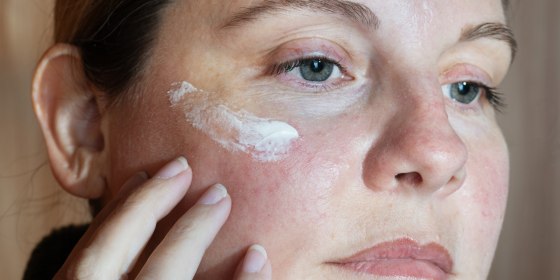
Azelaic acid has emerged as one of the most talked-about skincare ingredients in 2026, earning widespread praise from dermatologists and beauty editors alike for its remarkable ability to address multiple skin concerns simultaneously. This naturally occurring dicarboxylic acid, found in grains like wheat, rye, and barley, has rapidly climbed the ranks from niche prescription treatment to mainstream must-have, with interest in azelaic acid growing by nearly 1,000% according to trend forecasting agency Spate. Whether you are battling persistent acne, struggling with rosacea-related redness, or trying to fade stubborn dark spots, azelaic acid offers a science-backed solution that is gentle enough for even the most sensitive skin types.
What makes azelaic acid particularly exciting in the current skincare landscape is its versatility. Unlike many active ingredients that target a single concern, azelaic acid simultaneously fights bacteria, reduces inflammation, inhibits excess melanin production, and normalizes skin cell turnover. As the K-beauty and global skincare markets increasingly prioritize barrier-friendly, multi-benefit formulations, azelaic acid fits perfectly into the skin longevity movement that is reshaping how we approach our routines in 2026.
What Is Azelaic Acid and How Does It Work?
Azelaic acid is a saturated C9 dicarboxylic acid that occurs naturally in grains and is also produced by Malassezia furfur, a yeast that lives on normal human skin. In topical skincare formulations, it is typically used at concentrations between 10% and 20%, with prescription-strength products reaching the higher end of that range.
The mechanism of action behind azelaic acid is multifaceted, which explains its broad therapeutic applications. According to research published in the Journal of Drugs in Dermatology and PMC studies, azelaic acid works through several key pathways:
- Antibacterial activity: It inhibits the growth of Cutibacterium acnes (formerly Propionibacterium acnes), the bacteria responsible for inflammatory acne, by disrupting bacterial cellular protein synthesis
- Anti-inflammatory effects: It scavenges reactive oxygen species (ROS) generated by neutrophils and inhibits pro-inflammatory cytokine production, making it effective for calming redness and irritation
- Tyrosinase inhibition: It selectively targets overactive melanocytes and inhibits the enzyme tyrosinase, which is responsible for melanin production, helping to fade hyperpigmentation without affecting normally pigmented skin
- Anti-keratinizing action: It normalizes the process of keratinization in hair follicles, preventing the pore-clogging buildup that leads to comedones
- Antioxidant properties: It neutralizes free radicals that contribute to premature aging and skin damage
This combination of actions means that a single ingredient can address the root causes of acne, rosacea, and hyperpigmentation rather than merely treating symptoms on the surface.
Azelaic Acid for Acne: Why Dermatologists Are Recommending It
One of the most compelling reasons azelaic acid has gained traction in 2026 is its effectiveness against acne with significantly fewer side effects than traditional treatments. Clinical studies demonstrate that twice-daily application of 20% azelaic acid over three months significantly reduces the number of comedones, papules, and pustules. At this concentration, it has been shown to be as effective as benzoyl peroxide 5%, tretinoin 0.05%, erythromycin 2%, and oral tetracycline in treating moderate acne.
Research consistently shows 70-80% improvement in inflammatory acne lesions after 12 weeks of consistent use, with many patients experiencing significant clearing by the 6-8 week mark. What sets azelaic acid apart from these alternatives is its tolerability profile. Unlike retinoids, which often cause peeling, dryness, and sun sensitivity during a lengthy adjustment period, azelaic acid is generally well-tolerated from the start. Unlike benzoyl peroxide, it does not bleach fabrics or cause excessive dryness.
Perhaps most notably, azelaic acid is one of the few active acne-fighting ingredients considered safe for use during pregnancy and breastfeeding, making it a critical option for those who need effective acne treatment during these periods. Combined with ingredients like niacinamide, azelaic acid can deliver even more impressive results for breakout-prone skin while simultaneously strengthening the skin barrier.
Rosacea Relief: The First-Line Treatment Gaining Momentum
Azelaic acid has long been recognized in dermatology as a first-line treatment for rosacea, and 2026 has seen this awareness expand well beyond clinical settings. A comprehensive systematic review analyzing 20 rosacea studies demonstrated that azelaic acid significantly improved erythema severity, reduced inflammatory lesion counts, and achieved higher treatment success rates compared to vehicle (placebo) formulations after 12 weeks.
For the estimated 16 million Americans living with rosacea, azelaic acid offers a dual benefit: it reduces the redness and visible blood vessels characteristic of the condition while also addressing the papules and pustules that accompany papulopustular rosacea. The anti-inflammatory mechanism is particularly relevant here, as rosacea is fundamentally an inflammatory condition driven by immune system dysregulation and vascular hyperreactivity.
Dermatologists recommend starting with a lower concentration (10%) and gradually increasing to 15-20% as the skin builds tolerance. Many K-beauty brands have recognized this need, formulating azelaic acid products specifically for sensitive, rosacea-prone skin with soothing co-ingredients like centella asiatica, panthenol, and azulene.
Fading Dark Spots and Hyperpigmentation
The third major application of azelaic acid lies in treating hyperpigmentation disorders, including melasma, post-inflammatory hyperpigmentation (PIH) from acne, and sun-induced dark spots. Unlike hydroquinone, which can cause paradoxical darkening (ochronosis) with prolonged use and carries restrictions in several countries, azelaic acid offers a safer long-term brightening approach.
Azelaic acid works by selectively targeting abnormally hyperactive melanocytes while leaving normally pigmented cells unaffected. This selectivity is crucial: it means the ingredient brightens dark spots without causing unwanted lightening of surrounding skin. Studies show that 20% azelaic acid is comparable to 4% hydroquinone for treating melasma, with fewer side effects and no risk of the rebound hyperpigmentation sometimes seen when hydroquinone is discontinued.
For those dealing with the dark marks left behind by acne breakouts, azelaic acid offers a particularly elegant solution. Since it simultaneously treats active acne while fading existing post-inflammatory marks, it breaks the frustrating cycle of new breakouts creating new marks before old ones have faded.
Best Azelaic Acid Products in 2026: Dermatologist Picks
The market for azelaic acid products has exploded in 2026, with options ranging from affordable drugstore finds to luxury formulations. Here are the standout products dermatologists and beauty editors are recommending this year:
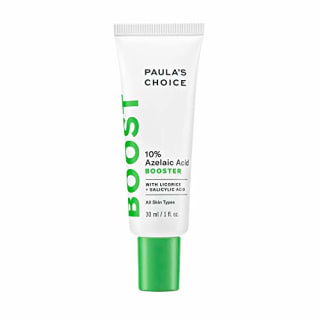
Paula's Choice 10% Azelaic Acid Booster remains a perennial favorite with over 4,000 five-star reviews. Its lightweight gel-cream texture layers beautifully under moisturizer, and the 10% concentration delivers visible results without irritation. Board-certified dermatologists consistently name it as their top over-the-counter recommendation.
The Ordinary Azelaic Acid Suspension 10% offers an accessible entry point at under $10, making it one of the most affordable ways to incorporate this powerhouse ingredient. The silicone-based formula creates a smooth, primer-like finish that works well under makeup.
Purito Seoul Azelaic Acid 10 Kojic Tea Tree Serum represents the K-beauty approach to azelaic acid, combining 10% azelaic acid with tea tree oil and kojic acid for a triple-action formula targeting breakouts and post-acne discoloration. Purito Seoul is known for blending natural Korean ingredients with clinically proven actives, and this serum is a standout for those seeking gentle yet effective treatment for sensitive skin.
Anua Azelaic Acid 10 Hyaluron Redness Soothing Serum has quickly become one of the most popular Korean azelaic acid products. It pairs 10% azelaic acid with hyaluronic acid for hydration and is specifically formulated to address redness, making it ideal for rosacea-prone skin. Products from barrier-repair focused brands pair exceptionally well with azelaic acid treatments.
Medicube Azelaic Acid Serum pushes the boundaries with a higher 16% concentration, enriched with neem tree extract, turmeric, panthenol, and ceramides. This Korean formulation targets stubborn acne and pigmentation for those who need more intensive treatment.
The INKEY List Redness Relief Solution is specifically formulated for rosacea-prone skin, featuring 10% azelaic acid along with microfine green-colored particles that help visually neutralize redness while the active ingredient works beneath the surface. Recommended by Dr. Erum Ilyas of Schweiger Dermatology, it is an excellent budget-friendly option.
Topicals Faded Brightening and Clearing Serum takes a unique approach by combining azelaic acid with tranexamic acid, niacinamide, and kojic acid for a comprehensive brightening formula that targets dark spots from multiple angles.
How to Use Azelaic Acid in Your Skincare Routine
Incorporating azelaic acid into your routine is straightforward, but a few guidelines will help maximize results while minimizing any initial sensitivity:
Step 1: Start slow. Begin by applying your azelaic acid product every other evening for the first two weeks. If your skin tolerates it well, gradually increase to nightly use, and eventually consider twice-daily application for stubborn concerns.
Step 2: Apply to clean, dry skin. After cleansing and toning, apply a thin layer of azelaic acid to affected areas or all over the face. Wait 2-3 minutes before applying subsequent products to allow absorption.
Step 3: Follow with moisturizer. Even though azelaic acid is gentler than many actives, following with a hydrating moisturizer containing ingredients like ceramides, snail mucin, or hyaluronic acid helps maintain barrier integrity.
Step 4: Always use sunscreen. While azelaic acid does not increase photosensitivity the way retinoids do, protecting your skin from UV damage is essential when treating hyperpigmentation. A broad-spectrum Korean sunscreen with SPF 50+ is the ideal finishing step.
Compatible ingredients: Azelaic acid plays well with most skincare actives, including niacinamide (a synergistic pairing for acne and brightening), hyaluronic acid, peptides, and centella asiatica. Use caution when combining with other exfoliating acids (AHA/BHA) in the same routine to avoid over-exfoliation.
Ingredients to stagger: While not strictly contraindicated, using azelaic acid and retinol in the same routine step may cause increased sensitivity for some individuals. Consider alternating nights or applying retinol at night and azelaic acid in the morning.
Azelaic Acid vs. Other Popular Actives: How It Compares
Understanding how azelaic acid compares to other popular skincare actives helps determine whether it deserves a place in your routine:
Azelaic acid vs. retinol: Retinol is the gold standard for anti-aging but comes with a significant adjustment period including peeling, dryness, and increased sun sensitivity. Azelaic acid offers anti-aging benefits through its antioxidant properties but without the harsh adaptation phase. For acne and hyperpigmentation specifically, azelaic acid may be the better first choice, especially for sensitive skin types.
Azelaic acid vs. vitamin C: Both ingredients address hyperpigmentation and provide antioxidant protection, but through different mechanisms. Vitamin C (L-ascorbic acid) is notoriously unstable and can irritate sensitive skin at effective concentrations. Azelaic acid is far more stable and tolerable, though vitamin C may have an edge for overall brightening and photoprotection.
Azelaic acid vs. benzoyl peroxide: For acne treatment, azelaic acid matches benzoyl peroxide in efficacy while causing less dryness, irritation, and fabric bleaching. Benzoyl peroxide may work faster for severe inflammatory acne, but azelaic acid offers the additional benefits of brightening and rosacea treatment.
Azelaic acid vs. salicylic acid (BHA): Salicylic acid excels at penetrating pores and dissolving oil-based debris, making it superior for blackheads and whiteheads. Azelaic acid has a broader range of benefits including anti-pigmentation and anti-rosacea effects. Many dermatologists recommend using both, with salicylic acid as a cleanser and azelaic acid as a leave-on treatment.
What Dermatologists Want You to Know
While the buzz around azelaic acid is well-deserved, dermatologists emphasize a few important points for realistic expectations:
First, patience is essential. Unlike the immediate effects of products like hyaluronic acid serums, azelaic acid requires consistent use over 4-12 weeks to show meaningful results. Clinical improvement for acne typically begins around week 4, with optimal results at 12 weeks. For hyperpigmentation, expect a longer timeline of 8-24 weeks.
Second, concentration matters. For best results, look for products containing a minimum of 10% azelaic acid. Lower concentrations may provide mild antioxidant benefits but are unlikely to deliver the antibacterial and anti-pigmentation effects seen in clinical studies. Prescription formulations at 15-20% remain the most effective option for moderate to severe conditions.
Third, mild tingling or stinging upon initial application is normal and typically resolves within the first week or two of use. If persistent irritation occurs, reduce frequency of application or switch to a lower concentration before considering discontinuation.
FAQ
Q: Is azelaic acid safe to use during pregnancy?
A: Yes, azelaic acid is classified as Category B in pregnancy, meaning animal studies have shown no risk and it is considered one of the safest active skincare ingredients for use during pregnancy and breastfeeding. Unlike retinoids, which are strictly contraindicated, and salicylic acid, which has some restrictions, azelaic acid can be used at any concentration safely. Always consult your dermatologist or OB-GYN for personalized advice.
Q: Can I use azelaic acid with retinol or vitamin C?
A: Yes, azelaic acid is compatible with most active ingredients. It pairs particularly well with niacinamide for enhanced brightening and barrier support. When combining with retinol, consider alternating nights or using retinol at night and azelaic acid in the morning to minimize potential irritation. Vitamin C and azelaic acid can be used together, though applying them at different times of day may optimize absorption of both.
Q: How long does it take to see results from azelaic acid?
A: Most users notice improvement in skin texture and reduced redness within 4-6 weeks of consistent use. Acne reduction typically becomes visible by week 4, with significant clearing by week 8-12. Hyperpigmentation fading takes longer, generally 8-24 weeks, depending on the depth and type of discoloration. Consistency is key: apply your azelaic acid product daily as directed for the full treatment period before evaluating results.
Q: What is the best concentration of azelaic acid for beginners?
A: A 10% over-the-counter formulation is the ideal starting point for most people. This concentration provides clinically meaningful benefits while being gentle enough for daily use without a prescription. If your skin responds well after 4-6 weeks but you want stronger results, consult a dermatologist about prescription-strength 15% or 20% formulations.
Q: Does azelaic acid cause purging?
A: Azelaic acid can cause a brief purging period, typically lasting 2-4 weeks, during which existing microcomedones may surface as visible breakouts. This is a normal part of the skin renewal process and is actually a sign that the ingredient is working. If new breakouts persist beyond 6 weeks, discontinue use and consult a dermatologist.
You May Also Like
- Niacinamide Skincare Guide 2026: Benefits, Best Products, and How to Build Your Routine
- Beta-Glucan Skincare 2026: Why Dermatologists Say This Barrier Repair Ingredient Outperforms Hyaluronic Acid
- Snail Mucin Skincare 2026: Science, Benefits, and 10 Best K-Beauty Products
- Korean Sunscreen 2026: 11 Best K-Beauty SPF Products Dermatologists Actually Recommend
The Bottom Line
Azelaic acid stands out in the crowded 2026 skincare landscape as a rare ingredient that delivers on multiple fronts without the harsh side effects associated with many popular actives. Backed by decades of clinical research and embraced by dermatologists worldwide, it offers a scientifically validated approach to treating acne, rosacea, and hyperpigmentation in a single product. Whether you choose an affordable K-beauty formulation from Purito Seoul or Anua, a cult-favorite like Paula's Choice, or a prescription-strength treatment, azelaic acid deserves serious consideration in your routine. The key to success is patience, consistency, and selecting the right concentration for your skin's needs. In a year when the skincare industry is moving decisively toward evidence-based, barrier-friendly formulations, azelaic acid is not just trending: it is here to stay.
Sources: NBC Select, PMC/Journal of Dermatology, Fashionista, Dr. Sam Bunting


댓글
댓글 쓰기