Spicules vs Exosomes K-Beauty 2026: Marine Skincare Guide
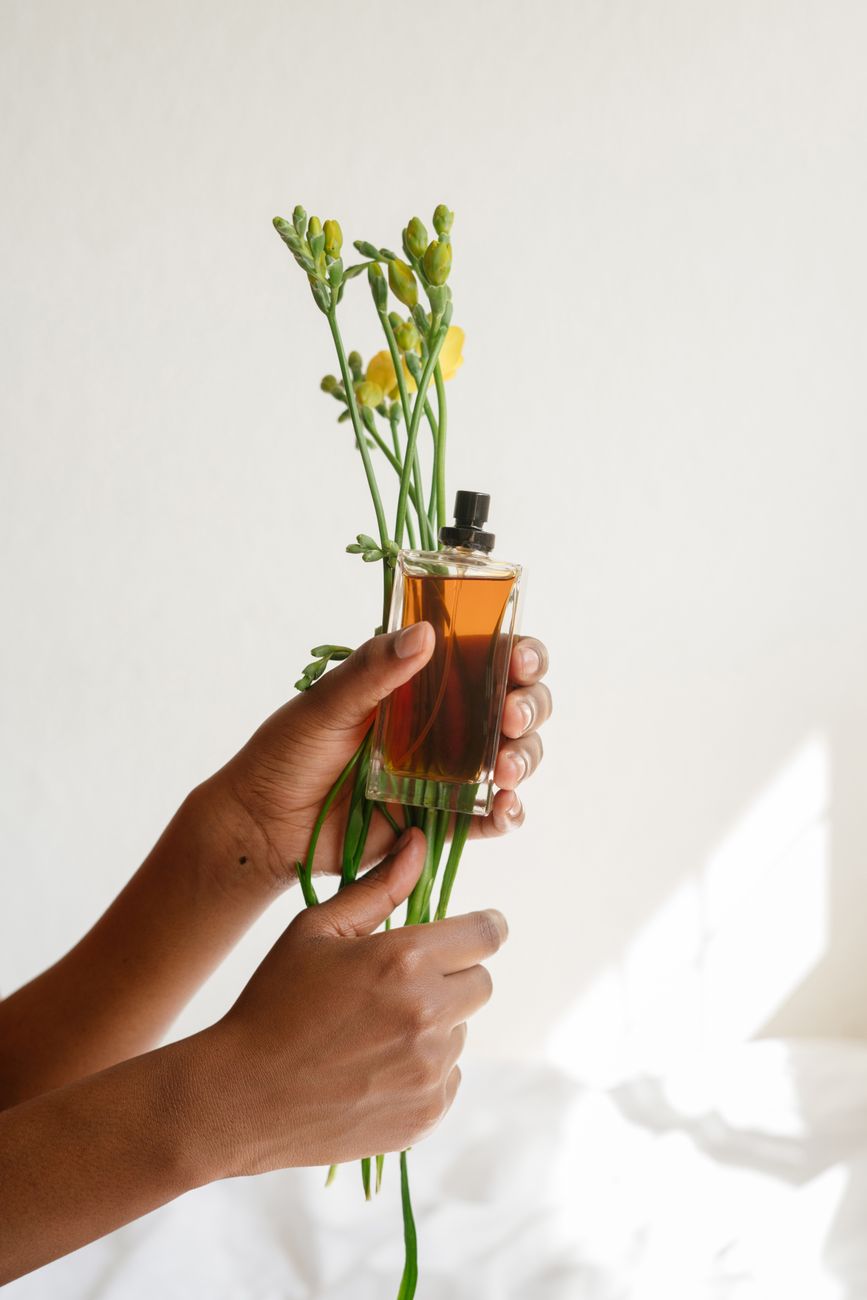
Photo: Pexels
Spicules vs Exosomes in K-Beauty 2026: The Marine Ingredient Battle Reshaping Skincare
Spicules vs exosomes has become the most debated ingredient comparison in K-beauty for 2026. While exosomes and PDRN were the breakout skincare ingredients of 2025, spicules — microscopic needle-like structures derived from marine sponges — are emerging as the delivery technology that could fundamentally change how active ingredients penetrate the skin. According to Cosmetics Business, spicules appear set to take beauty by storm in 2026, with Korea leading the global wave of products featuring this marine ingredient. But how do spicules actually compare to exosomes? Are they competitors or complementary partners? This deep-dive analysis examines both ingredients, the science behind them, the products driving adoption, and what the spicules vs exosomes debate means for the future of skincare formulation.
What Are Spicules and How Do They Work?
Spicules are derived from the skeletons of marine sponges — tiny marine animals that have existed for over 600 million years. These microscopic structures, made of calcium carbonate or silica, form part of the sponge's exoskeleton. In their natural form, spicules are pointed or spike-like structures, typically 50-500 micrometers in length — invisible to the naked eye but large enough to interact with the skin's surface at a cellular level.
When applied to the skin, spicules create microchannels in the stratum corneum (the outermost layer of skin), dramatically increasing the skin's permeability. This mechanism is essentially "microneedling in a bottle" — achieving the same channel-creating effect as professional microneedling treatments but through topical application of microscopic needles suspended in cream, serum, or essence formulations.
The science is well-documented. Research published in pharmaceutical and dermatological journals has confirmed that microspicules serve as an effective form of transdermal drug delivery, creating pathways that allow active ingredients to penetrate deeper into the skin than they could through passive diffusion alone. This positions spicules not merely as an active ingredient but as a delivery platform — a technology that enhances the effectiveness of other ingredients applied alongside or after spicule treatment.
What Are Exosomes in Skincare?
Exosomes, by comparison, are nanoscale vesicles (30-150 nanometers in diameter) that function as biological communication packets between cells. In skincare, exosomes — typically derived from plants (ginseng, lactobacillus) or stem cells — carry proteins, lipids, and RNA molecules that instruct skin cells to perform specific functions: producing collagen, reducing inflammation, accelerating healing.
Exosomes represent a fundamentally different approach to skincare. While spicules are a physical delivery mechanism (creating channels for ingredient penetration), exosomes are biological messengers (carrying instructions that trigger cellular responses). The two operate through entirely different mechanisms of action, which is why the spicules vs exosomes debate is somewhat misleading — they are not direct competitors but potentially powerful partners.
For a deeper exploration of exosome technology, see our comprehensive guide on K-beauty PDRN and exosomes in the medicosmetic revolution.
Spicules vs Exosomes: Head-to-Head Comparison
Understanding the spicules vs exosomes comparison requires examining both ingredients across multiple dimensions:
Mechanism of Action: Spicules work physically — creating microchannels in the skin that enhance penetration of subsequent products. Exosomes work biologically — delivering molecular messages that trigger cellular responses like collagen production and inflammation reduction. Spicules are a delivery vehicle; exosomes are a biological cargo.
Immediate vs. Long-Term Effects: Spicules provide immediate textural effects — the physical exfoliation creates smoother, more refined skin texture within a single application. Exosomes work over longer timeframes, as cellular responses to their molecular messages take days to weeks to manifest visibly. In the spicules vs exosomes comparison, spicules win on immediate gratification while exosomes may offer deeper biological change.
Sensory Experience: Spicules produce a distinctive tingling or prickling sensation during application, as the microscopic needles interact with the skin. Some users find this sensation satisfying (evidence that the product is "working"), while others find it uncomfortable. Exosomes are typically imperceptible during application, absorbing like any standard serum or essence.
Safety Profile: Both ingredients have demonstrated acceptable safety profiles in clinical settings, but spicules require more caution. The microchanneling effect means that anything applied to the skin during or immediately after spicule use penetrates more deeply — including potentially irritating ingredients. Exosomes, as biological messengers, present fewer immediate safety concerns but have a shorter research history in topical skincare applications.
Product Versatility: Spicules can enhance virtually any skincare product used alongside them by improving ingredient penetration. Exosomes are typically formulated as standalone treatments where their biological messaging is the primary active function. This gives spicules a wider range of combination possibilities.
The Convergence: Spicule-Exosome Combination Products
The most exciting development in the spicules vs exosomes conversation is the emergence of products that combine both ingredients. The rationale is elegant: spicules create the microchannels, and exosomes are delivered through those channels for enhanced penetration and efficacy.
Medicube's Zero Exosome Spicule Shot exemplifies this approach. The product contains both spicules (for physical exfoliation and channel creation) and exosomes (for biological regeneration signals), along with exfoliating acids for additional textural refinement. According to expert reviews, the spicule component provides effective, gentle exfoliation that helps even out light skin texture, while the exosomes contribute hydration and regenerative signals.
However, honest reviews suggest that the exosome contribution in current combination products may be modest. One detailed evaluation found that while the spicule exfoliation was genuinely effective, the exosomes provided mainly hydration benefits rather than dramatic regenerative effects. This suggests that formulation science still needs to optimize the spicule-exosome combination to fully leverage both technologies.
Key Spicule Products Leading K-Beauty in 2026
Several K-beauty brands are at the forefront of spicule innovation:
VT Cosmetics Reedle Shot: The product that brought spicules to mainstream K-beauty attention. Available in multiple concentrations (100, 300, 700, and 1000), the Reedle Shot line allows consumers to start with lower spicule concentrations and gradually increase as their skin acclimatizes. The Reedle Shot 300 is the most popular for daily use, while the 1000 is recommended for weekly intensive treatment.
Medicube Zero Exosome Spicule Shot: The pioneering spicule-exosome combination product, blending physical delivery technology with biological messaging for a dual-mechanism approach.
Exoblanc Spicule Cream: A UK-available Korean liquid microneedling cream that positions spicules as an accessible home treatment alternative to professional microneedling services.
Dr. Althea Spicule Treatment: A clinical-grade spicule product from a brand known for bridging dermatology and consumer skincare.
How to Incorporate Spicules Into Your Skincare Routine
For those new to spicule skincare, a graduated approach is essential:
Start Low: Begin with a lower-concentration spicule product (like VT Reedle Shot 100) to assess your skin's tolerance. Apply a small amount to one area of the face and monitor for 24 hours before full-face application.
Frequency: Start with once-weekly application and gradually increase to 2-3 times per week as your skin adjusts. Daily spicule use is not recommended for most skin types, as the microchanneling effect needs recovery time.
Pairing: After spicule application, layer hydrating and regenerative ingredients that will benefit from enhanced penetration — hyaluronic acid serums, PDRN essences, and ceramide-rich moisturizers are ideal companions. Avoid applying potentially irritating actives (strong retinoids, high-concentration acids, vitamin C at high pH) immediately after spicules, as the enhanced penetration can cause irritation.
SPF is Non-Negotiable: After any spicule treatment, the skin's barrier is temporarily compromised. Rigorous sun protection with broad-spectrum SPF 50+ is essential to prevent UV damage through the microchannels.
This routine approach aligns with the broader skinvestment philosophy dominating 2026, where careful, intentional product use produces better results than aggressive layering.
Expert Perspectives on the Spicules vs Exosomes Debate
Dermatologists and cosmetic chemists offer nuanced perspectives on the spicules vs exosomes comparison. Dr. Rachel Ho, a dermatologist who has reviewed micro-spicule skincare extensively, notes that spicules offer genuine benefits for ingredient delivery but cautions that they are not suitable for all skin types — particularly those with active inflammation, rosacea, or severely compromised barriers.
Marie Claire UK's skincare analysis positions spicules as "the K-beauty secret to glass skin" (or rather, the evolving bloom skin aesthetic), while acknowledging that the ingredient is still in its early adoption phase and more long-term research is needed.
The consensus among experts is that the spicules vs exosomes framing is ultimately misleading. The two ingredients serve different functions and are best understood as complementary technologies within the broader K-beauty clinical ingredient revolution.
The Future of Spicule and Exosome Technology
Looking forward, the spicules vs exosomes story is likely to become a spicules-plus-exosomes story. As formulation science advances, optimized combination products will leverage spicules as the delivery highway and exosomes (along with PDRN, EGF, and other medicosmetic ingredients) as the cargo. This convergence could produce skincare products with unprecedented efficacy, delivering clinical-grade biological signals through optimized physical channels.
Frequently Asked Questions About Spicules vs Exosomes
Q: What are spicules in skincare?
A: Spicules are microscopic needle-like structures derived from marine sponges. Made of calcium carbonate or silica, they create microchannels in the skin's surface when applied, enhancing the penetration of other skincare ingredients. They are often described as "microneedling in a bottle" and are a leading K-beauty ingredient in 2026.
Q: Are spicules better than exosomes for skincare?
A: Spicules and exosomes serve different functions and are not direct competitors. Spicules are a physical delivery mechanism that creates microchannels in skin. Exosomes are biological messengers that signal cells to produce collagen and reduce inflammation. The most promising approach combines both — using spicules to enhance exosome penetration.
Q: Do spicules hurt when applied to skin?
A: Spicules produce a tingling or prickling sensation that varies from mild to moderate depending on the product's concentration. Lower concentrations (like VT Reedle Shot 100) produce minimal sensation, while higher concentrations (700-1000) can feel significantly prickly. Most users describe the sensation as tolerable and even satisfying.
Q: Can I use spicules every day?
A: Daily spicule use is not recommended for most skin types. The microchanneling effect requires recovery time. Start with once-weekly application and increase to 2-3 times per week based on skin tolerance. Always follow with hydrating products and SPF.
Q: What is the best spicule product for beginners?
A: VT Cosmetics Reedle Shot 100 is widely recommended for spicule beginners due to its lower concentration and gentle formulation. Once your skin adjusts, you can graduate to higher concentrations (300, 700) for more intensive results.
Sources: Cosmetics Business, Dr. Rachel Ho, Marie Claire UK, Vexx Skincare, Our Healtho


댓글
댓글 쓰기